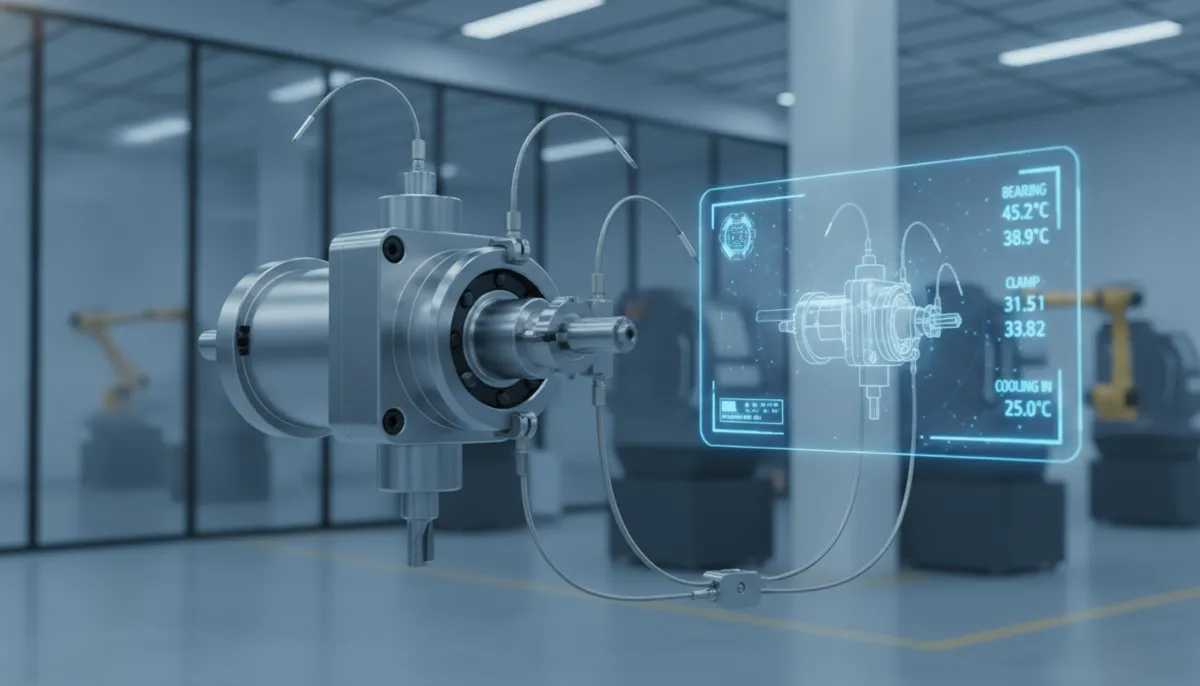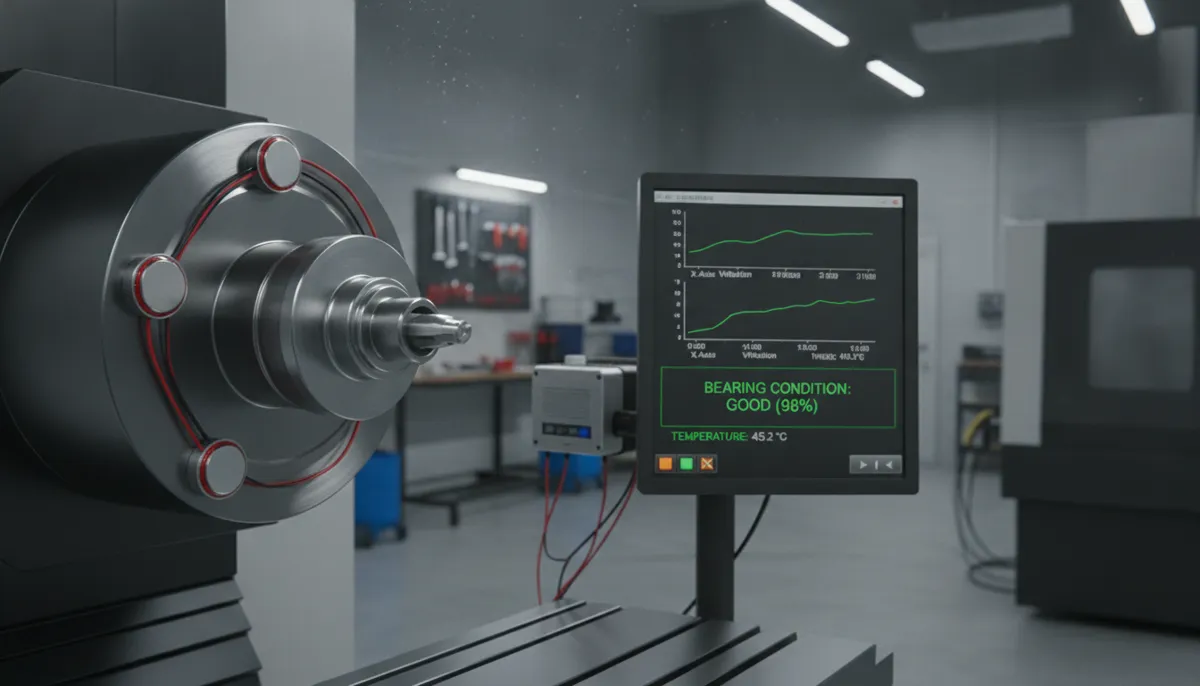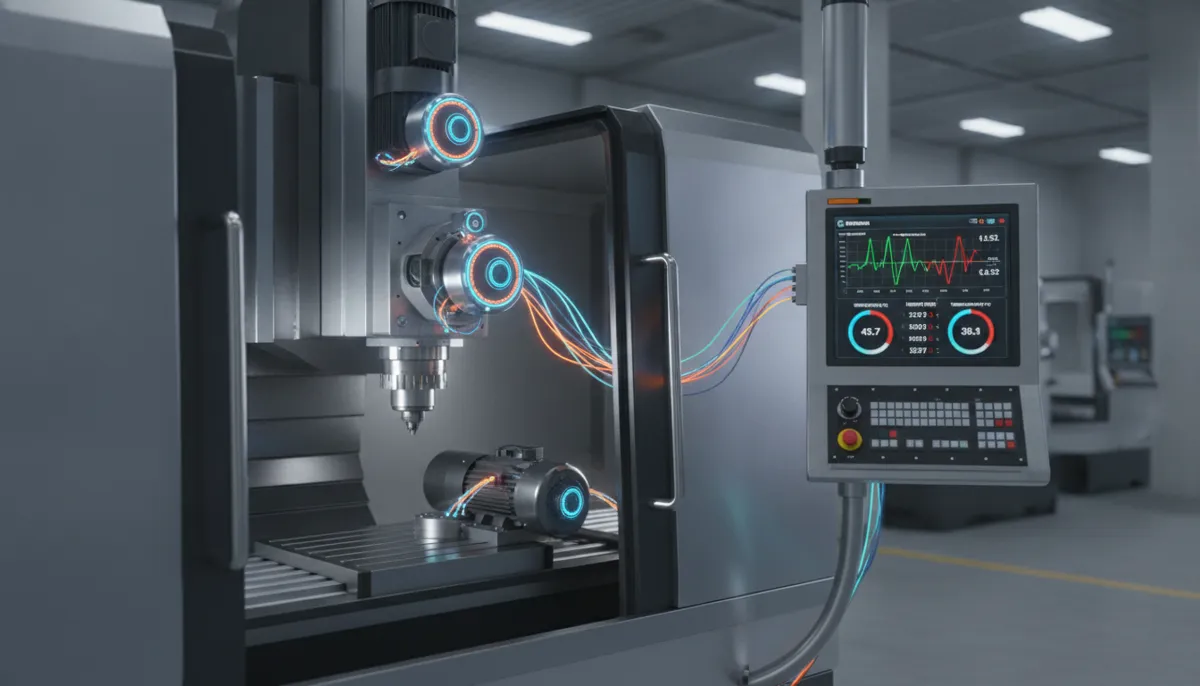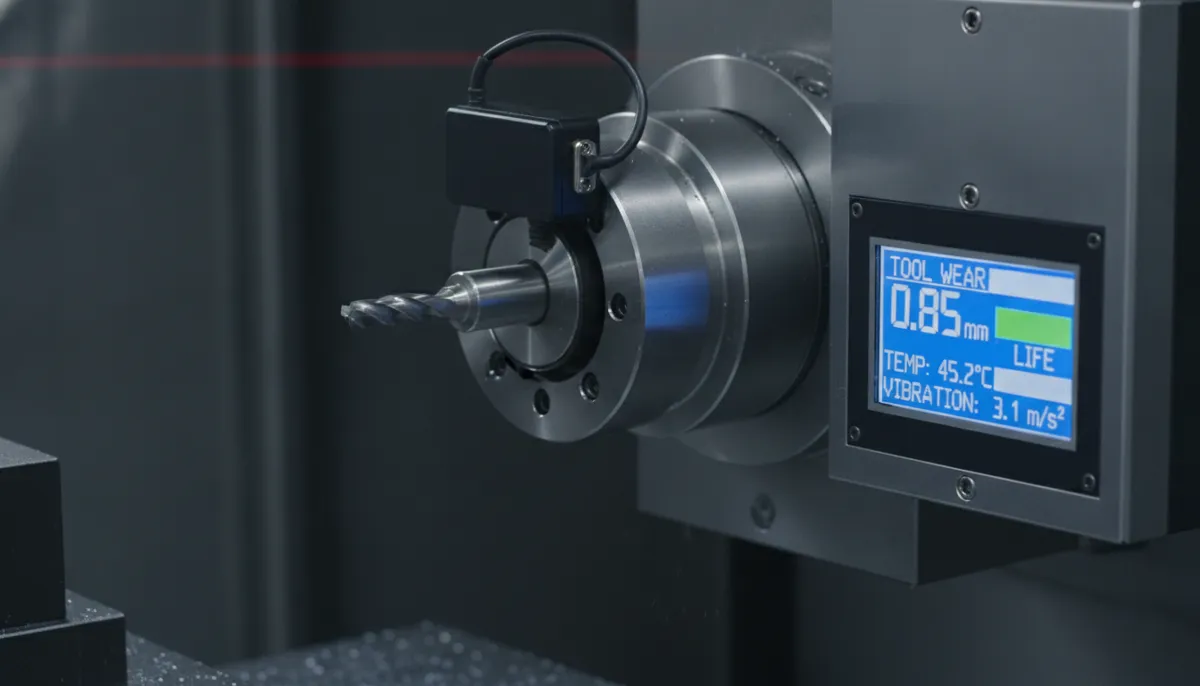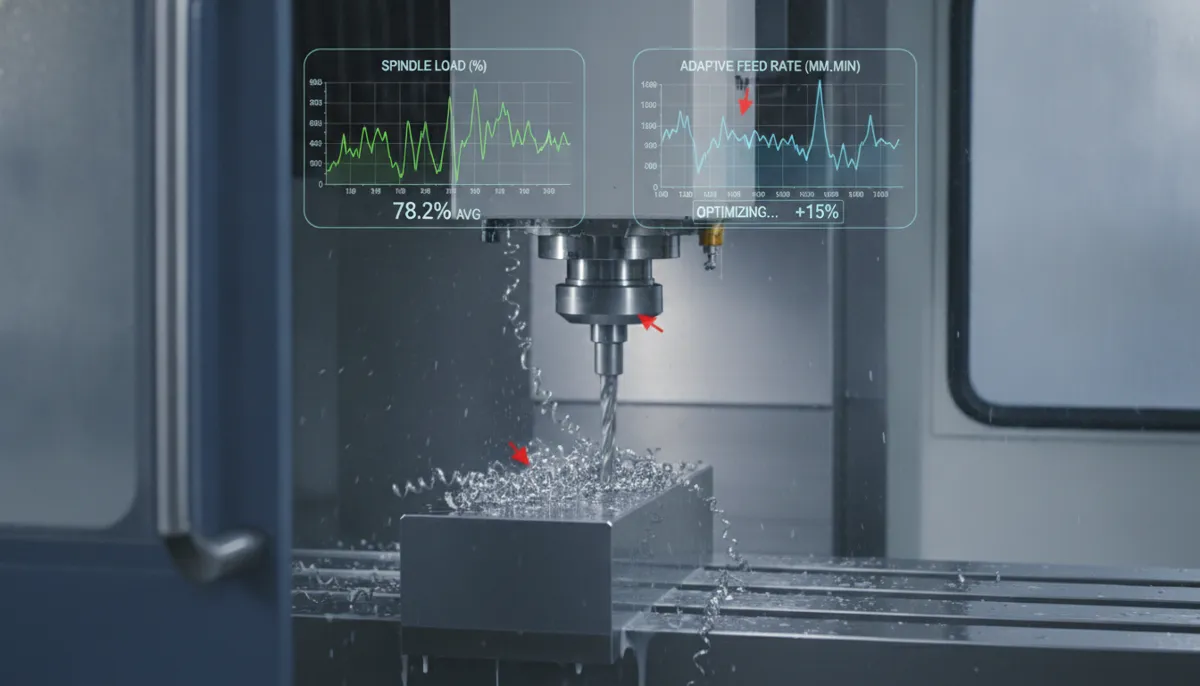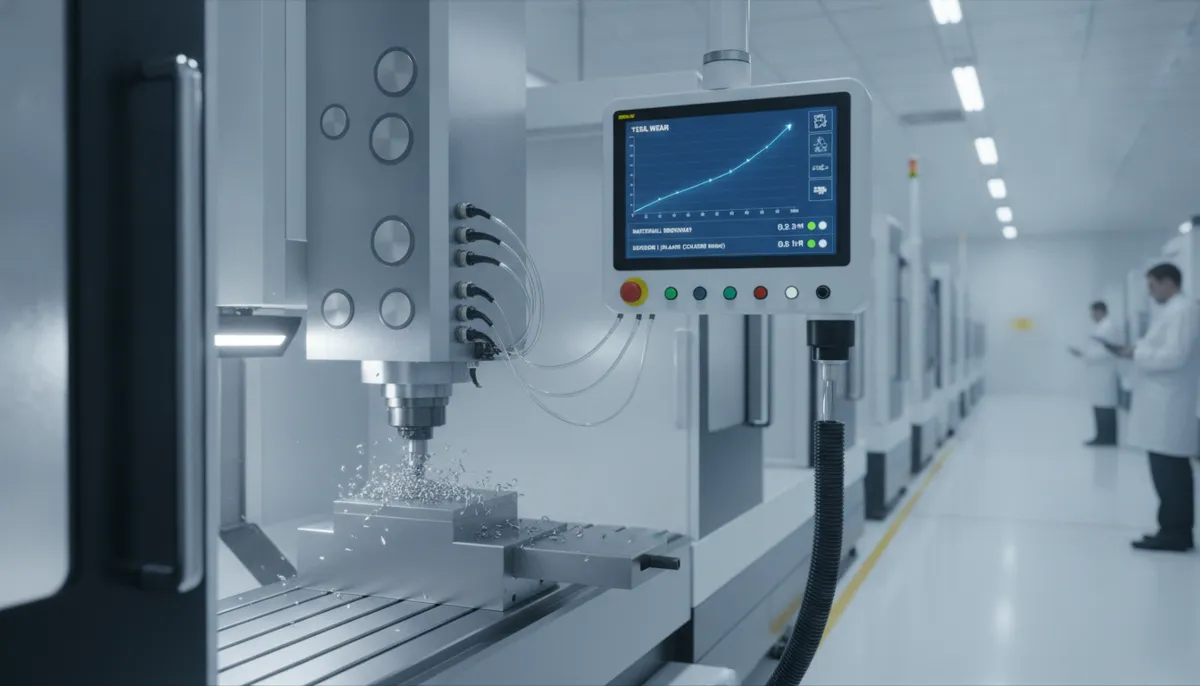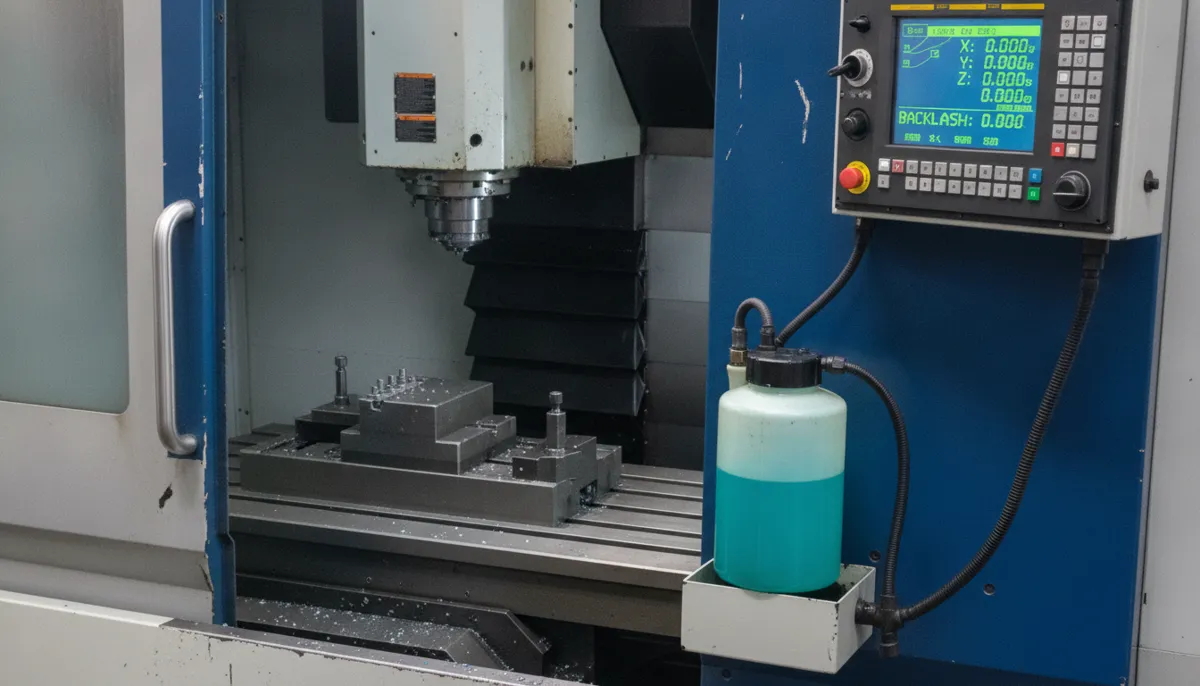
When evaluating a used CNC machine vs new, budget-conscious buyers often face a difficult trade-off between upfront cost and long-term reliability. This comprehensive guide breaks down the real costs, benefits, and risks of each option — so you can make the right investment decision for your workshop. According to Grand View Research’s 2024 CNC Machine Market Report, the global CNC machine market is projected to reach USD 140.78 billion by 2030, growing at a CAGR of 6.8%, driven by rising demand for precision manufacturing across automotive, aerospace, and medical sectors. Understanding the used CNC machine vs new decision has never been more critical for staying competitive.
By Bella, Site Owner at QFCNCMACHINE.COM | 15 Years of CNC Industry Experience | QiaoFeng CNC, Dalingshan Town, Dongguan, Guangdong | Est. 2010 | 750+ Customers Served Worldwide
Module A: Used CNC Machine vs New — Key Differences at a Glance
| Factor | Used CNC Machine | New CNC Machine |
|---|---|---|
| Initial Cost | 40–60% lower than new | Full market price |
| Warranty | 30–90 days (dealer) or none (auction) | 2–5 years manufacturer warranty |
| Technology | May lack IoT, energy-efficient spindles | Latest controls & connectivity |
| Availability | Immediate (days) | Lead time 3–12 months |
| Maintenance Risk | Higher — hidden wear possible | Low — OEM-fresh components |
| Energy Consumption | Typically 15–25% higher | Optimized, lower running cost |
| Depreciation | Slower — steepest curve already passed | Fastest in first 3–5 years |
| Spare Parts | May be discontinued for older models | Fully supported by OEM |
| Financing Rate | 1–3% higher than new | Lower rates, more lenders |
| Best For | Start-ups, low-volume, tight budgets | High-volume, precision, long-term ROI |
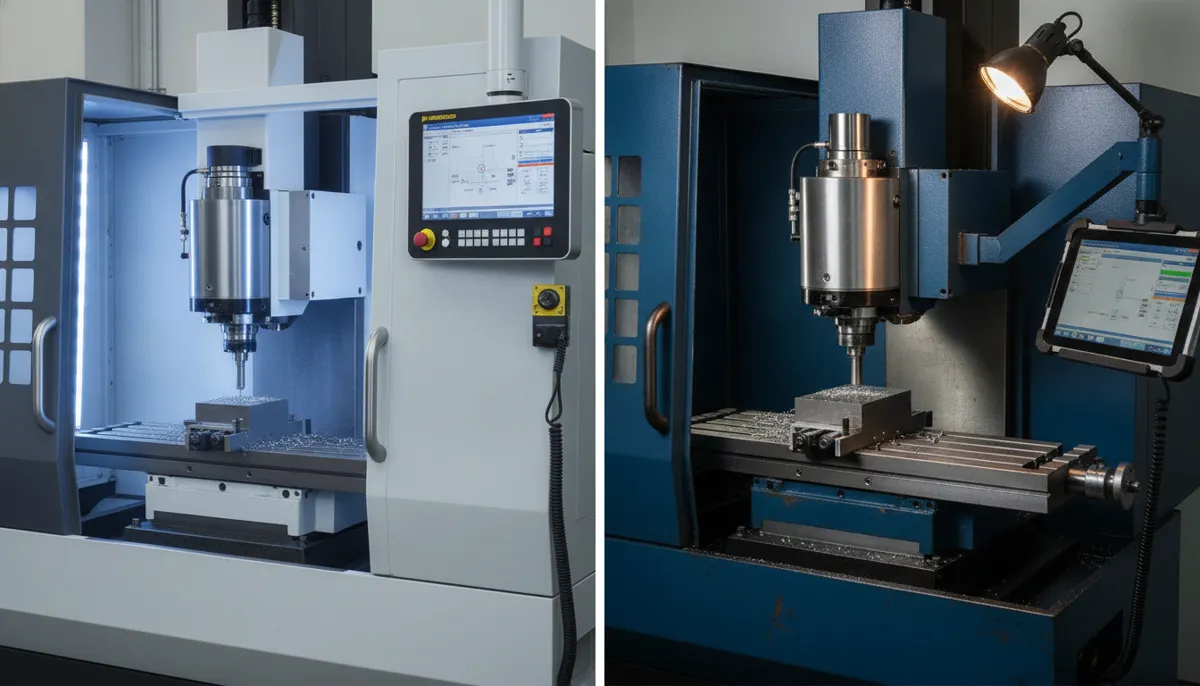
Module C: Pros and Cons of Used CNC Machine vs New
Pros of Buying a Used CNC Machine
- Lower initial investment: A used machine typically costs 40–60% less than new, freeing capital for tooling, fixtures, or additional equipment.
- Faster depreciation curve: The steepest depreciation occurs in the first 3–5 years; buying used means you avoid that immediate value loss.
- Immediate availability: No long lead times — delivery can often happen within days, not months, which matters when you have urgent orders.
- Proven reliability (if inspected): A well-maintained machine with documented service history can perform as reliably as new for standard operations.
Cons of Buying a Used CNC Machine
- Higher maintenance risk: Older machines may have hidden wear on spindles, ball screws, or linear guides, leading to unexpected downtime and repair costs.
- Technology gaps: You may miss out on energy-efficient spindles, IoT connectivity, or advanced control systems that improve long-term ROI.
- Limited warranty: Most used machines come with only 30–90 days of dealer warranty, compared to 2–5 years for new machines.
- Spare parts risk: For machines over 10 years old, OEM spare parts may be discontinued or hard to source, increasing repair lead times.
Pros of Buying a New CNC Machine
- Full manufacturer warranty: Typically 2 years on parts and labor, with optional extended coverage — minimizing financial risk in the first years.
- Latest technology: New machines feature advanced CNC controls (Fanuc, Siemens, Mitsubishi), energy-saving spindles, and Industry 4.0 connectivity.
- Higher precision out of the box: Factory-calibrated to OEM tolerances, ideal for aerospace and medical applications requiring ±0.002 mm or tighter.
- Lower total maintenance cost: Studies show new machines average 30–50% lower unplanned maintenance costs over a 5-year period compared to used equivalents.
Cons of Buying a New CNC Machine
- Higher upfront cost: New machines can cost 2–3× more than comparable used equipment, which can strain cash flow for smaller shops.
- Longer lead times: Depending on configuration and origin, new machine delivery can take 3–12 months, which may not suit urgent production needs.
- Faster initial depreciation: A new machine loses 20–30% of its value in the first 2–3 years — a significant factor if you plan to resell.
Ultimately, the used CNC machine vs new ROI depends on your production volume, part complexity, and tolerance for downtime. For high-mix, low-volume shops just starting out, a well-inspected used machine can be a smart entry point. For high-volume production where uptime and precision are critical, a new machine from a trusted manufacturer will deliver better long-term returns.
Module D: What Our Customers Say — Used vs New Decision Stories
“We were torn between buying used to save money and buying new for reliability. After consulting with QiaoFeng’s team, we chose a new vertical machining center. Within 8 months, the reduction in scrap and rework paid for the price difference versus used. The after-sales support from QiaoFeng has been excellent — they respond within 24 hours.”
— James R., Production Manager, Precision Parts Manufacturer, Texas, USA
“As a growing job shop in Germany, we needed to expand capacity quickly without overextending our budget. We initially considered used machines, but QiaoFeng offered us a competitively priced new CNC lathe with full CE certification and a 2-year warranty. The machine has been running 3 shifts for 14 months with zero unplanned downtime. We are already planning our second order.”
— Markus S., Workshop Owner, Metal Components Shop, Bavaria, Germany
“In Thailand, finding reliable spare parts for older used CNC machines is very difficult. We learned this the hard way with a used machine that sat idle for 6 weeks waiting for parts. Now we only buy new machines from QiaoFeng — the warranty and parts support make total cost of ownership much lower than used alternatives.”
— Somchai W., Factory Director, Automotive Components Supplier, Chonburi, Thailand
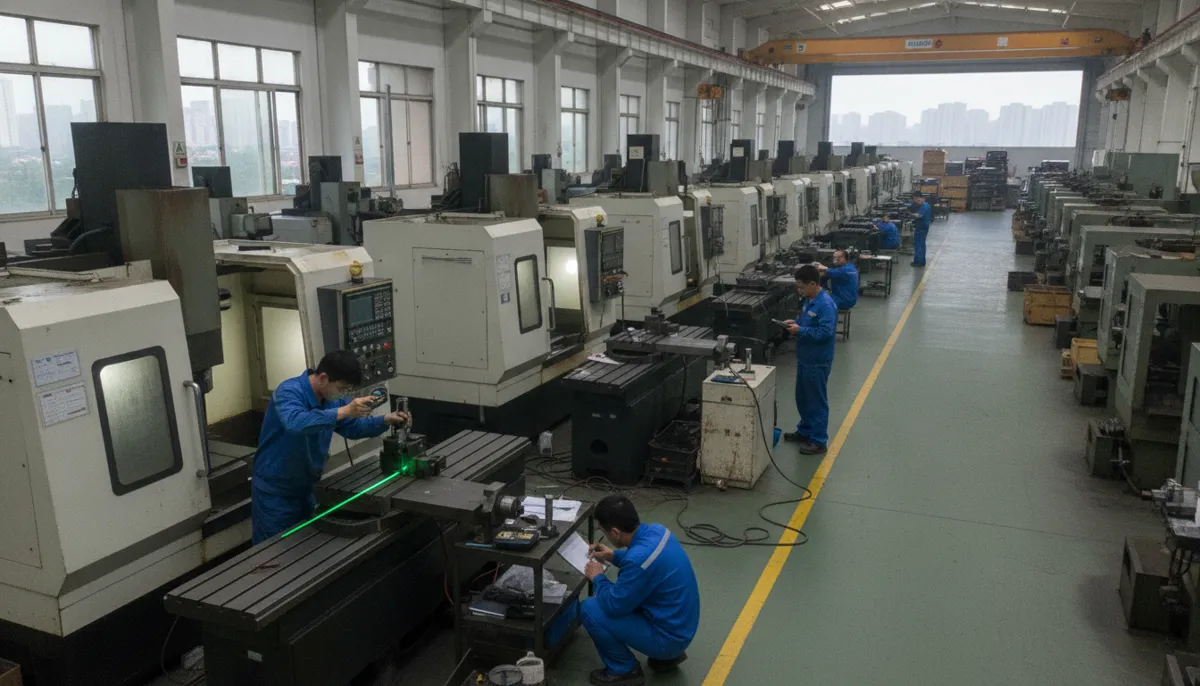
Module E: Real-World Use Cases — Used CNC Machine vs New
-
Start-up job shop with limited capital (USA):
A 5-person job shop in the Midwest needed a vertical machining center but had a tight $30,000 budget. They sourced a used VMC with approximately 8,000 spindle hours from a local dealer. After replacing the spindle bearings and adding a chip conveyor (total additional cost: ~$3,000), the machine ran 2,000 hours in year one with 94% uptime. For simple turning and milling work, the used machine delivered a 10-month ROI. Key lesson: used machines work well for simple, low-volume work when thoroughly inspected before purchase. -
Medical device prototype shop requiring precision (Germany):
A medical device manufacturer in Germany needed 5-axis capability for complex titanium implants but couldn’t justify the full new-machine price. They evaluated both used and new options. After calculating total cost of ownership — including the risk of used machine downtime during FDA validation runs — they chose a new 5-axis machining center from QiaoFeng. The machine passed all validation protocols on first attempt, and scrap rate dropped from 7% to 1.2%. Key lesson: for regulated industries, the hidden cost of used machine unreliability often outweighs the upfront savings. -
Automotive supplier scaling quickly (Southeast Asia):
A Tier 2 automotive supplier in Thailand needed two additional horizontal machining centers to fulfill a surge order. They initially considered used Japanese HMCs, but spare parts lead times of 6–8 weeks for older models posed an unacceptable production risk. They chose two new QiaoFeng HMCs instead. Setup time per part dropped by 35%, and both machines achieved 97% uptime in the first year. Key lesson: in markets where used machine support infrastructure is limited, new machines offer significantly lower operational risk. -
Energy sector valve manufacturer (Netherlands):
A Dutch manufacturer of oilfield valve bodies needed to machine 316 stainless steel components to tight tolerances. They purchased a used CNC turning center from an auction at 50% of new price. Within 6 months, a ball screw failure caused 3 weeks of downtime and a $12,000 repair bill — nearly eliminating the initial savings. They subsequently replaced it with a new QiaoFeng turning center with a 2-year warranty. Key lesson: auction purchases without inspection history carry significant financial risk for precision applications.
Module F: FAQ — Used CNC Machine vs New
1. What is the biggest risk of buying a used CNC machine?
The biggest risk is hidden wear on critical components like the spindle, ball screws, and linear guides. These can fail without warning, causing costly downtime. Always request a spindle runout test, backlash measurement, and a test cut before purchase. For high-precision or regulated applications, the reliability of a new machine often justifies the higher upfront cost.
2. How do I calculate ROI for a used CNC machine vs new?
Calculate total cost of ownership (TCO) over 5 years: purchase price + installation + tooling + maintenance + energy costs + estimated downtime cost. A new machine may have 20–30% lower energy consumption and significantly less unplanned downtime, which can offset the higher initial price within 2–3 years for busy shops. Factor in your production volume and part complexity when running the numbers.
3. Is financing available for used CNC machines?
Yes, many lenders offer used equipment financing, but rates are typically 1–3% higher than for new equipment due to higher perceived risk. For new machines, manufacturers and distributors often have preferred financing arrangements with lower rates. If cash flow is a concern, compare the total financing cost — not just the sticker price — before deciding.
4. Should I buy a used CNC machine from an auction or a dealer?
Auctions can offer lower prices but come with no warranty and no inspection history — a significant risk for precision machines. Reputable dealers typically provide a 30–90 day warranty, inspection reports, and sometimes installation support. For budget-conscious buyers, a dealer purchase significantly reduces the risk of expensive surprises in the first months of operation.
5. Does QiaoFeng sell used CNC machines?
QiaoFeng specializes in manufacturing and selling new CNC machines, including CNC lathes, vertical machining centers, horizontal machining centers, and turning centers. We do not sell used equipment. However, our team is happy to provide an objective consultation to help you evaluate whether a new QiaoFeng machine or a used alternative better fits your budget and production needs. Contact us at bella@qfcncmachine.com or +86 15118243737.
6. What should I inspect before buying a used CNC machine?
A thorough pre-purchase inspection should include: spindle runout and bearing condition, ball screw backlash on all axes, linear guide wear, control system diagnostics, coolant and lubrication system condition, and a test cut to verify positioning accuracy. If you cannot perform this inspection yourself, hire a qualified CNC technician or consider buying new to eliminate the risk entirely.
Why Choose QiaoFeng for Your New CNC Machine?
With 15 years of CNC manufacturing expertise and over 750 customers served across the USA, Europe, and Southeast Asia, QiaoFeng — headquartered in Dalingshan Town, Dongguan, Guangdong — delivers reliable, precision-engineered CNC machines backed by a 2-year warranty and full CE certification. Our machines feature rigid cast iron frames, Fanuc/Siemens/Mitsubishi control options, and dedicated after-sales support with response times under 24 hours.
When you compare the total cost of ownership of a used CNC machine vs new, QiaoFeng’s new machines consistently deliver lower operational risk, better long-term precision, and stronger ROI — especially for customers in markets where used machine spare parts support is limited or unreliable.
Ready to Make the Right Decision? Contact QiaoFeng Today
Whether you’re still weighing a used CNC machine vs new or ready to invest in a reliable new machine, our team is here to help you make a confident, data-driven decision. Get a free consultation and personalized cost-benefit analysis tailored to your production needs.
- 📧 Email: bella@qfcncmachine.com
- 📞 Phone / WhatsApp: +86 15118243737
- 🌐 Website: qfcncmachine.com
- 📋 Fill out our contact form for a free quote →
References
- Grand View Research, CNC Machine Market Size, Share & Trends Analysis Report, 2024–2030. Available at: grandviewresearch.com
- Mordor Intelligence, Machining Centers Market Size, Share & Growth Trends Report, 2024. Available at: mordorintelligence.com
- MarketsandMarkets, CNC Machine Tools Market — Global Forecast to 2028. Available at: marketsandmarkets.com
- Allied Market Research, CNC Machine Market by Type, Application and End User — Global Opportunity Analysis and Industry Forecast, 2023–2032. Available at: alliedmarketresearch.com
- International Federation of Robotics (IFR), World Robotics Report 2023 — Industrial Robots. Available at: ifr.org