As a metrology and manufacturing engineer, you know that precision isn’t just about measurements—it’s about cost control. Effective CNC cost modeling can reduce production expenses by up to 30% while maintaining strict quality tolerances. In this comprehensive guide, we’ll explore how advanced CNC cost modeling, economic analysis, and dynamic cost functions can help you make data-driven decisions. Founded in 2010 and located in Dongguan, China, QiaoFeng brings 15 years of expertise in CNC manufacturing economics, successfully serving over 750 clients across Europe, the Americas, and Southeast Asia.
Industry Insights: The Demand for CNC Cost Modeling
The global push for manufacturing efficiency has made cost predictability a top priority. According to the 2024 report by Mordor Intelligence, the machining centers market is experiencing rapid growth, compelling facilities to optimize their per-part economics. Furthermore, Grand View Research highlights that integrating real-time data analytics into CNC operations is a defining trend for 2023-2030. McKinsey & Company also notes that operational excellence in modern manufacturing relies heavily on structured data models. Implementing robust CNC cost modeling is no longer optional; it is the industry standard for remaining competitive.
Core Features of an Advanced CNC Machining Cost Model
A static spreadsheet is no longer sufficient. Modern CNC cost modeling requires dynamic inputs to reflect the reality of the shop floor.
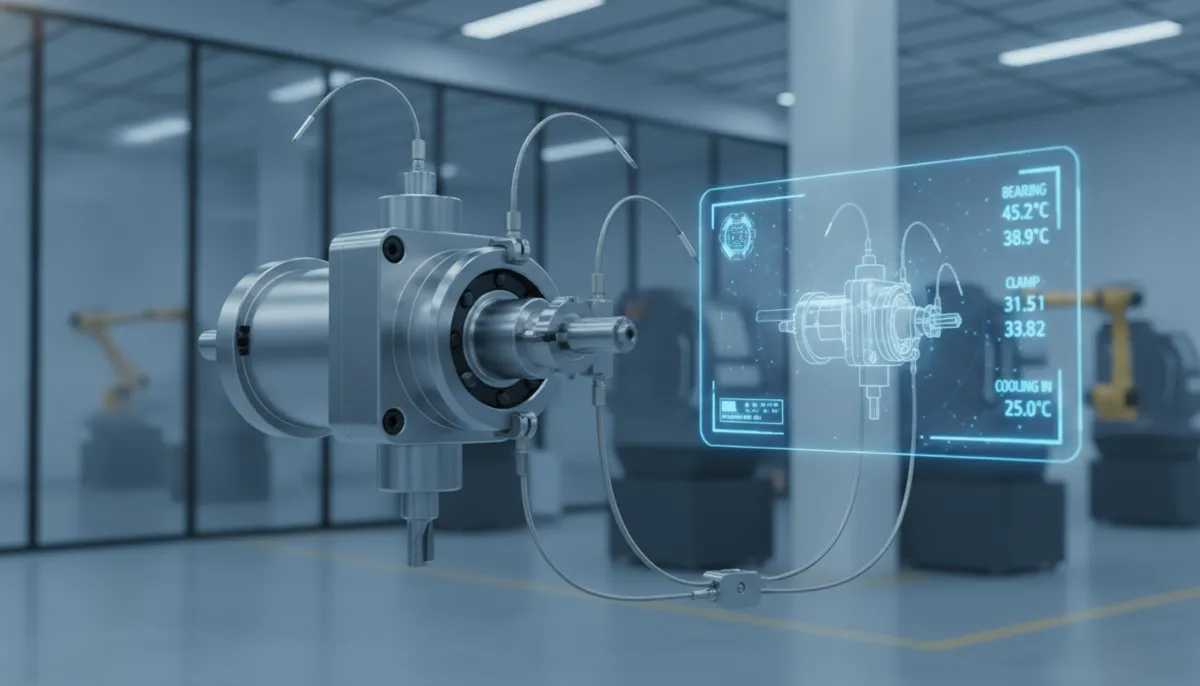
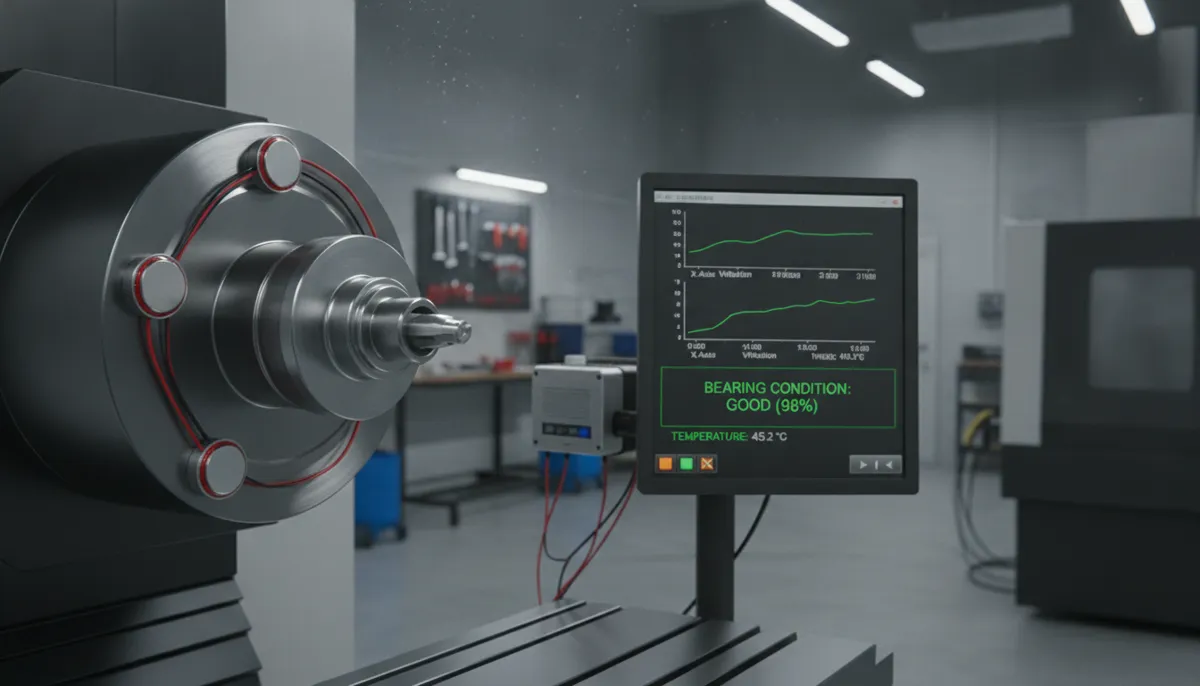
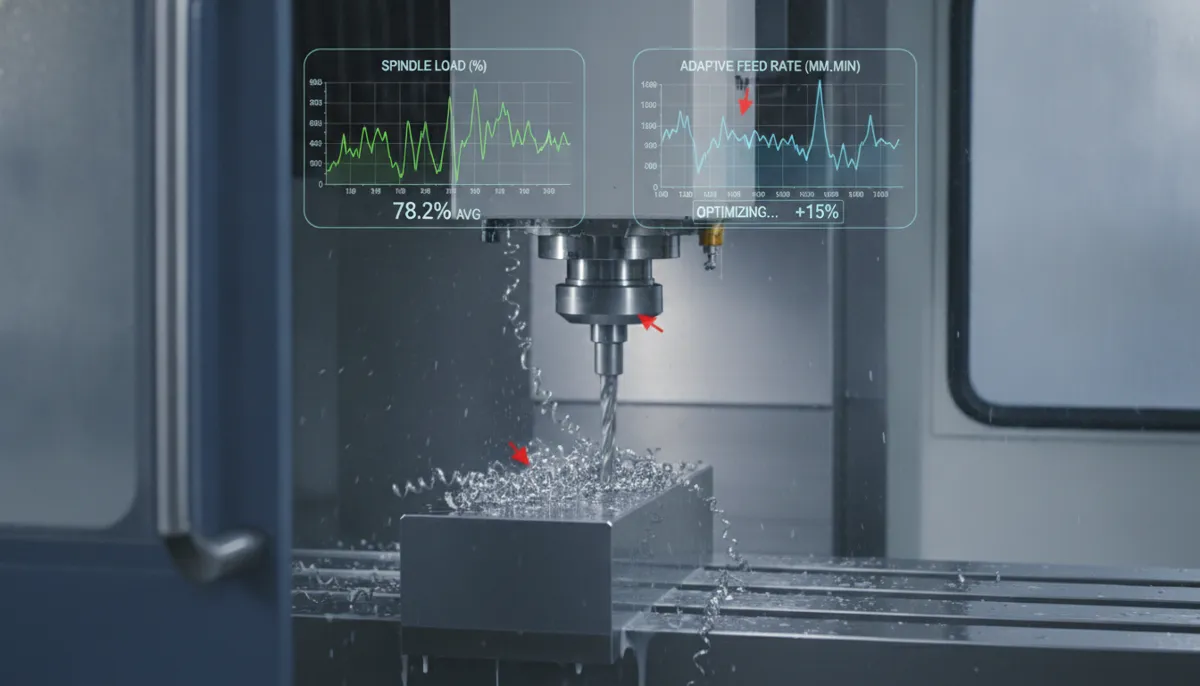
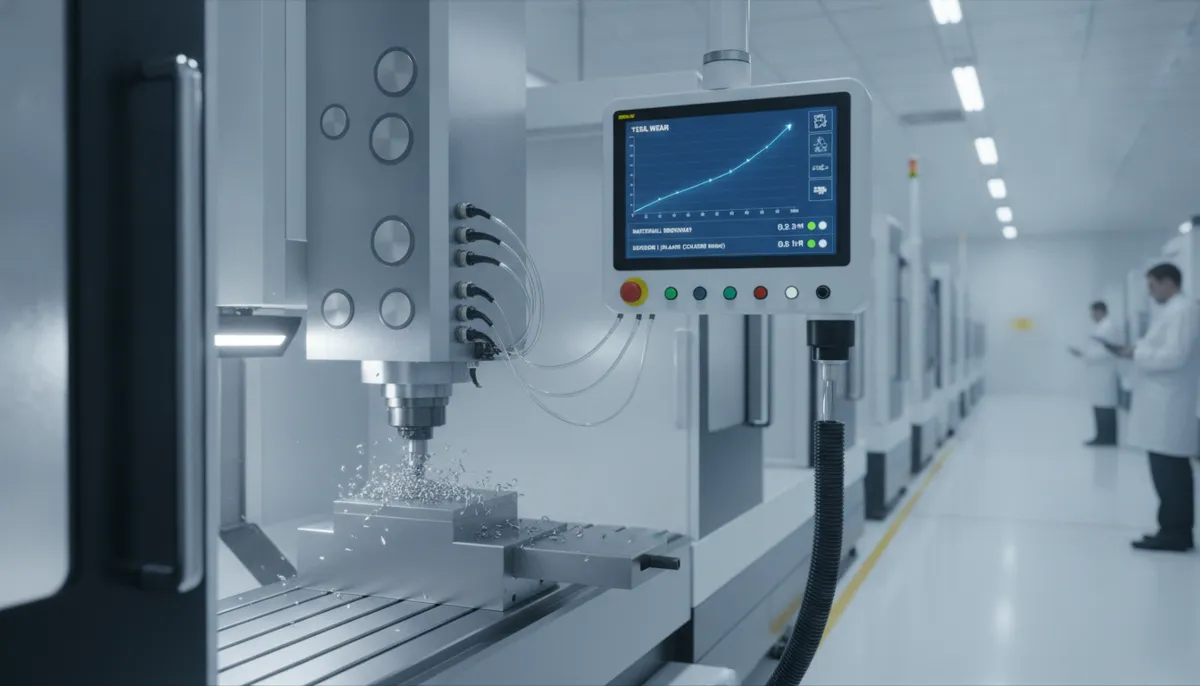
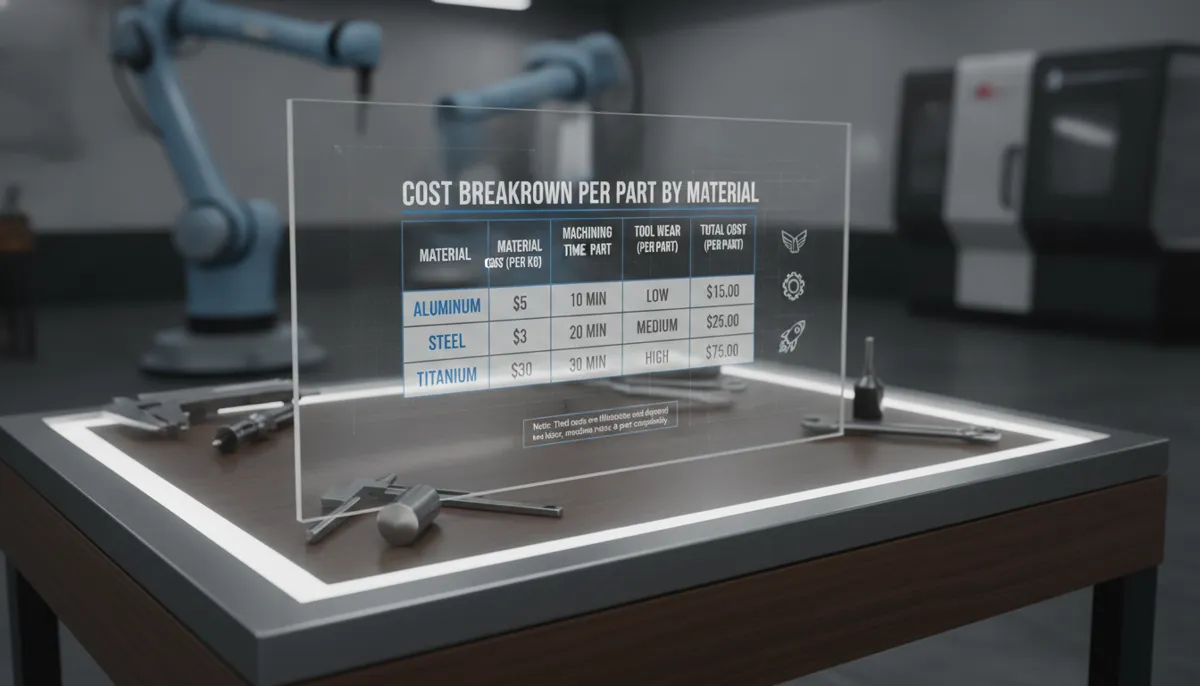
- Real-Time Cost Function Updates: Our CNC cost function adapts to material prices, tool wear, and machine utilization. For example, when aluminum prices fluctuate, the model automatically recalculates per-part costs. This allows you to adjust quotes instantly and protect your profit margins.
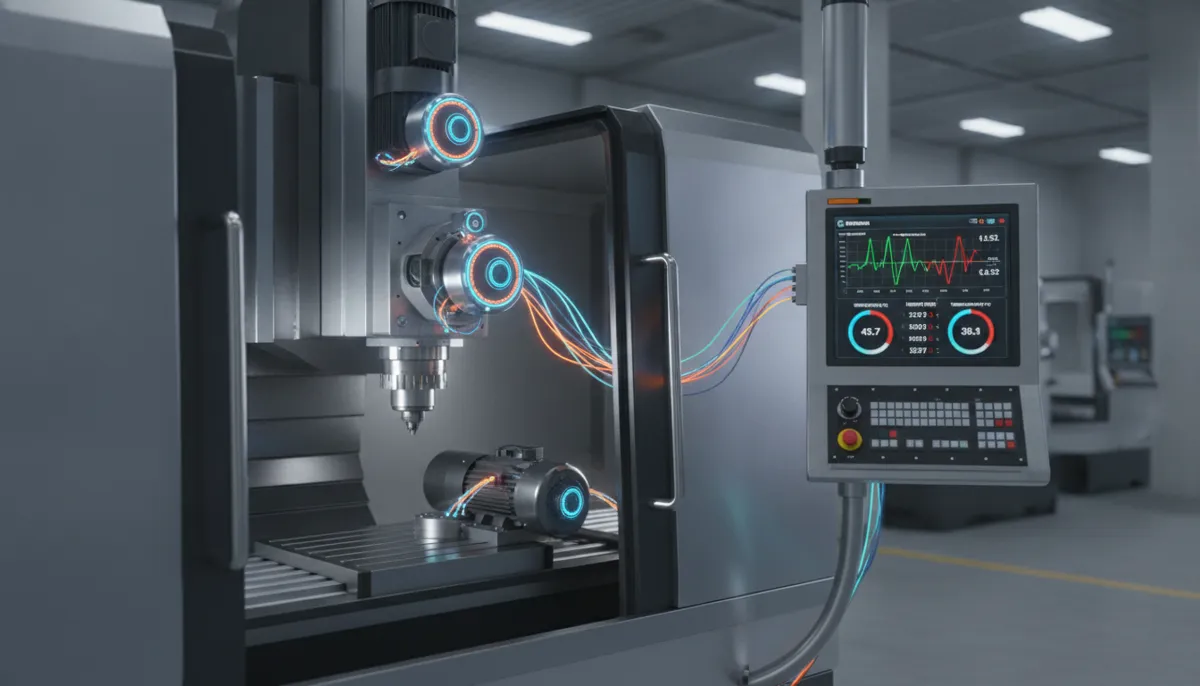
- Multi-Variable Economic Analysis: Perform CNC economic analysis across dozens of parameters—cutting speed, feed rate, tool life, and energy consumption. Optimizing these variables can significantly reduce cycle times without compromising dimensional accuracy.
- Scenario Simulation & What-If Modeling: Test different production volumes, material choices, or machine configurations before committing to a production run. Simulating batch sizes helps identify the exact point where unit costs drop, enabling highly competitive bidding.
Cost Comparison: QiaoFeng vs. Industry Average
By applying rigorous CNC cost modeling principles, QiaoFeng consistently outperforms standard industry metrics. Below is a breakdown of typical cost savings:
| Cost Parameter (Per Job/Part) | QiaoFeng Optimized Model | Standard Industry Average |
|---|---|---|
| Setup Cost (per job) | $150 | $220 |
| Machining Cost (per hour) | $65 | $85 |
| Tool Wear Cost (per part) | $2.10 | $3.50 |
| Energy Cost (per part) | $0.45 | $0.70 |
| Quality Rework Rate | 1.2% | 3.8% |
The lower rework rate reflects our model’s ability to predict and prevent errors, directly impacting your bottom line and ensuring high-yield production.
Real-World Use Cases & Client Success
1. Aerospace Component Optimization (North America)
Pain Point: A US-based aerospace supplier struggled with high scrap rates (8%) on complex titanium brackets.
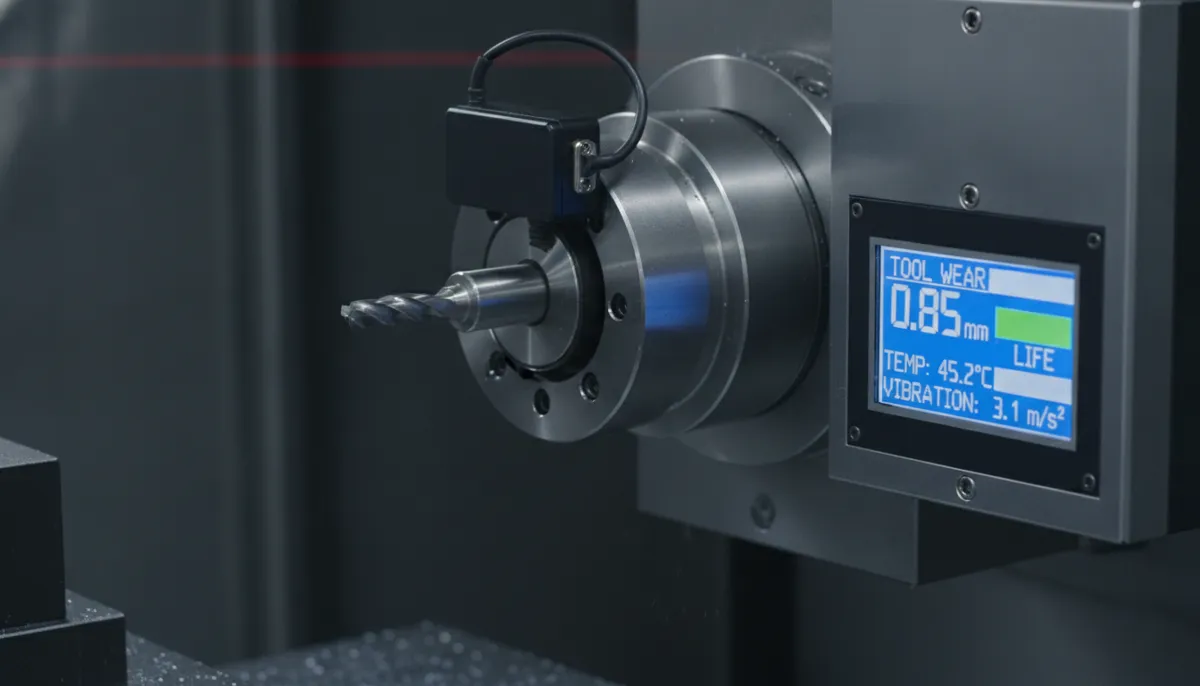
Solution: Using our CNC economic analysis, we identified excessive tool wear at high cutting speeds. The model recommended a 12% reduction in feed rate, extending tool life by 40% and cutting scrap to 2%. Annual savings exceeded $180,000.
2. Automotive Prototype Cost Reduction (Europe)
Pain Point: A German automotive Tier 1 supplier needed rapid prototyping for an EV motor housing but faced unpredictable cost overruns.
Solution: Our dynamic CNC cost function provided real-time updates as design changes occurred, flagging a 25% cost increase when switching aluminum grades. This allowed the client to negotiate better material prices, keeping the project 15% under budget.
3. Medical Device Precision Machining (Southeast Asia)
Pain Point: A medical device manufacturer in Vietnam required tight tolerances for surgical instruments, but existing cost models failed to account for rigorous inspection times.
Solution: QiaoFeng integrated quality control costs into the CNC cost modeling framework. The client achieved a 99.7% first-pass yield and reduced per-unit cost by 22%.
Pros of Advanced Cost Modeling
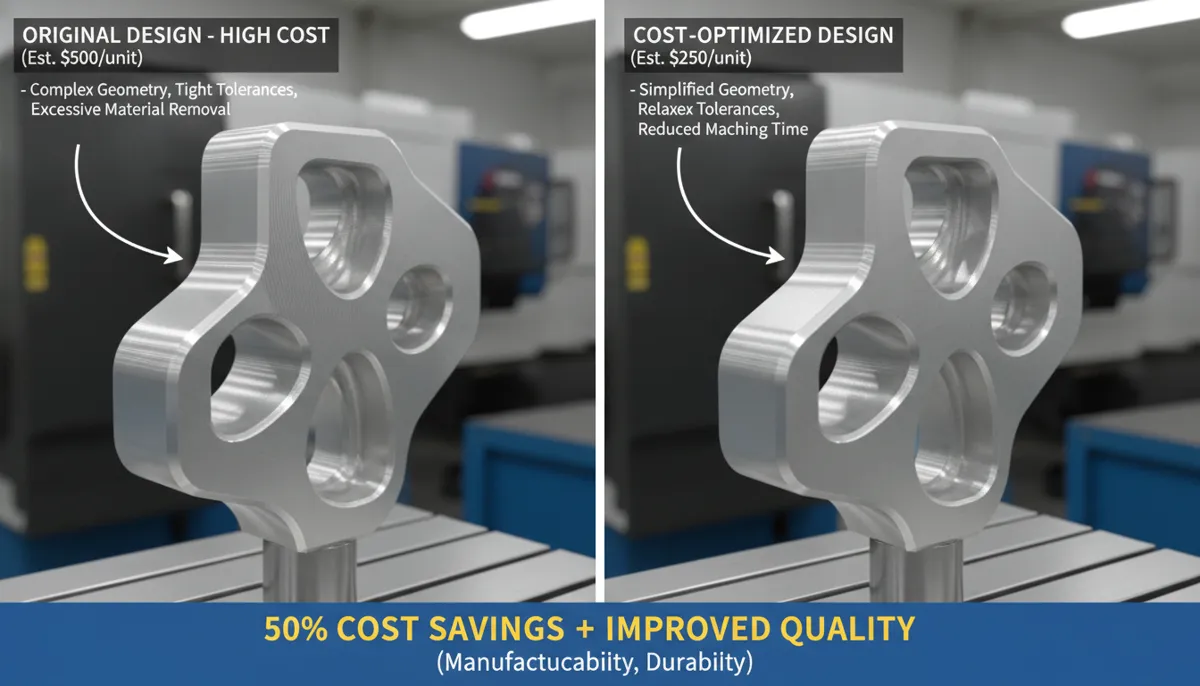
- Reduces overall manufacturing costs by up to 30%
- Improves cost predictability and budgeting accuracy
- Enables data-driven decisions for material selection
- Enhances competitiveness in quoting and bidding
Considerations
- Requires initial data collection and calibration
- Dependent on accurate input data (garbage in, garbage out)
- Requires a mindset shift from static to dynamic quoting
FAQ: CNC Cost Modeling
What is CNC cost modeling?
CNC cost modeling is a systematic approach to estimating and optimizing the costs associated with CNC machining. It calculates material, labor, tooling, machine time, overhead, and quality factors to provide highly accurate per-part costs, helping engineers make informed design and process choices.
How does CNC economic analysis differ from standard estimation?
Standard estimation uses static rates. CNC economic analysis is dynamic, incorporating real-time data like tool wear, energy consumption, and machine utilization. It allows for scenario testing, giving you a flexible and accurate cost model.
What are the key components of a CNC cost function?
A comprehensive CNC cost function includes: setup cost + machining cost (time × hourly rate) + tooling cost + material cost + quality cost (inspection & rework) + overhead. Advanced models also factor in tool life and machine depreciation.
Ready to Optimize Your Manufacturing Costs?
Partner with QiaoFeng to implement advanced CNC cost modeling and reduce your production expenses. Contact our experts today.
References
- [1] Mordor Intelligence. “Machining Centers Market Size, Share & Growth Trends Report, 2024.” View Report
- [2] Grand View Research. “Computer Numerical Control (CNC) Machine Market Size, Share & Trends Analysis Report, 2023-2030.” View Report
- [3] McKinsey & Company. “The future of manufacturing: Driving operational excellence.” View Report