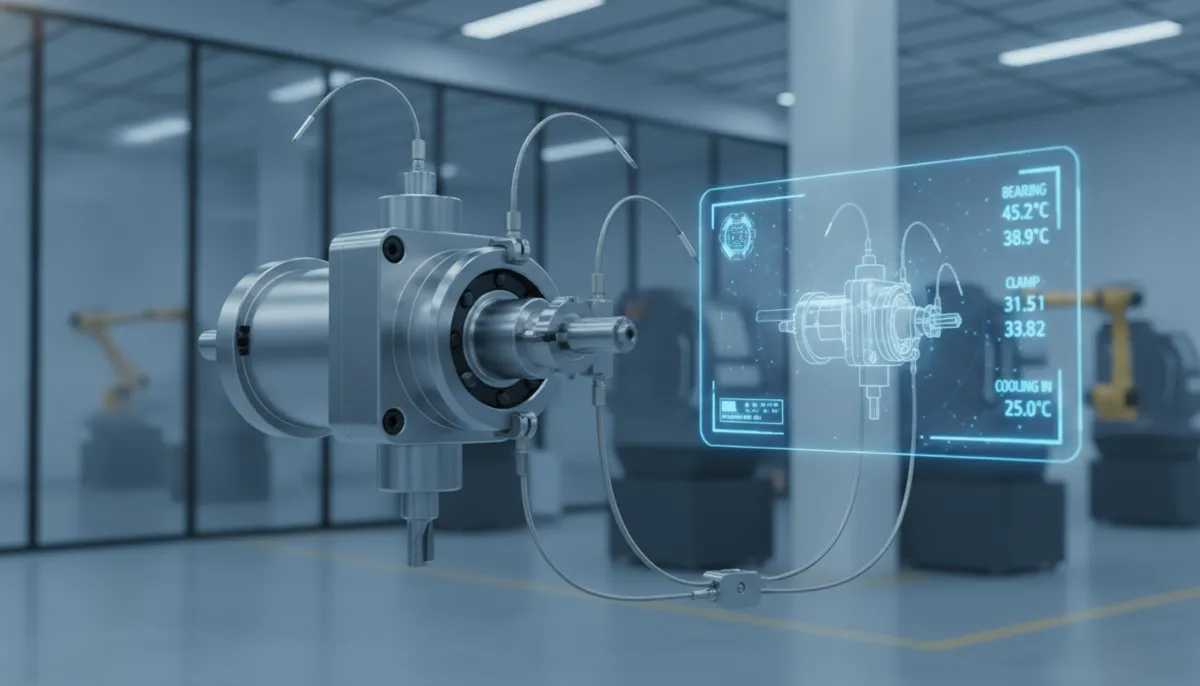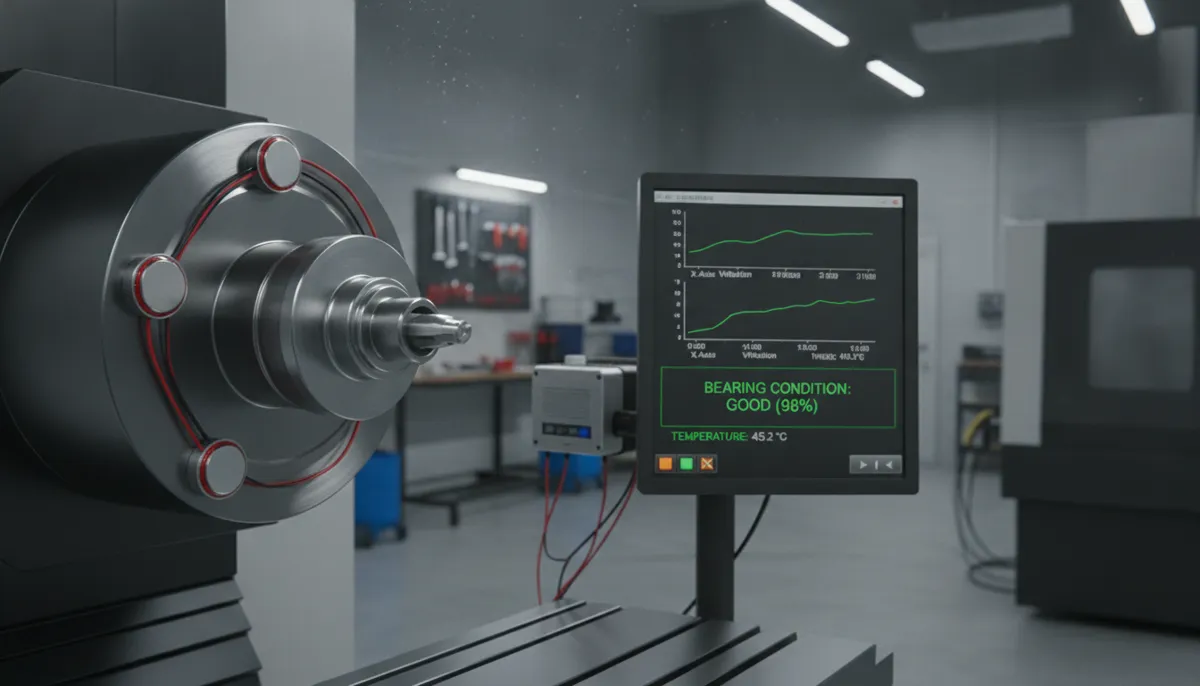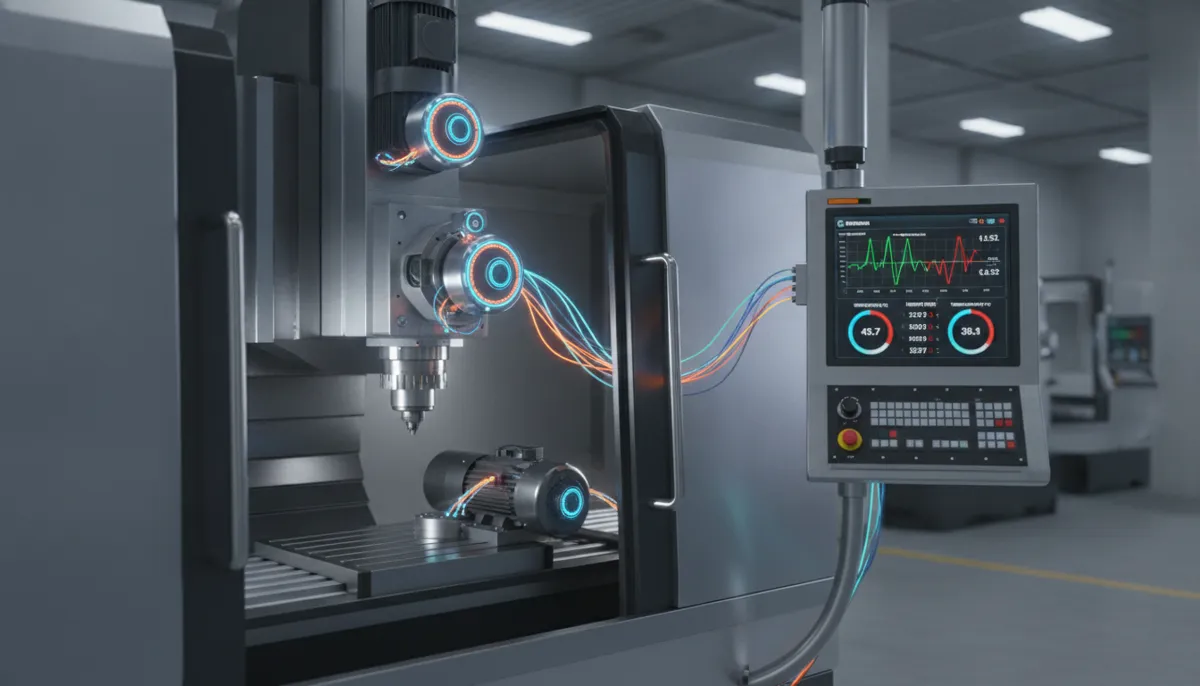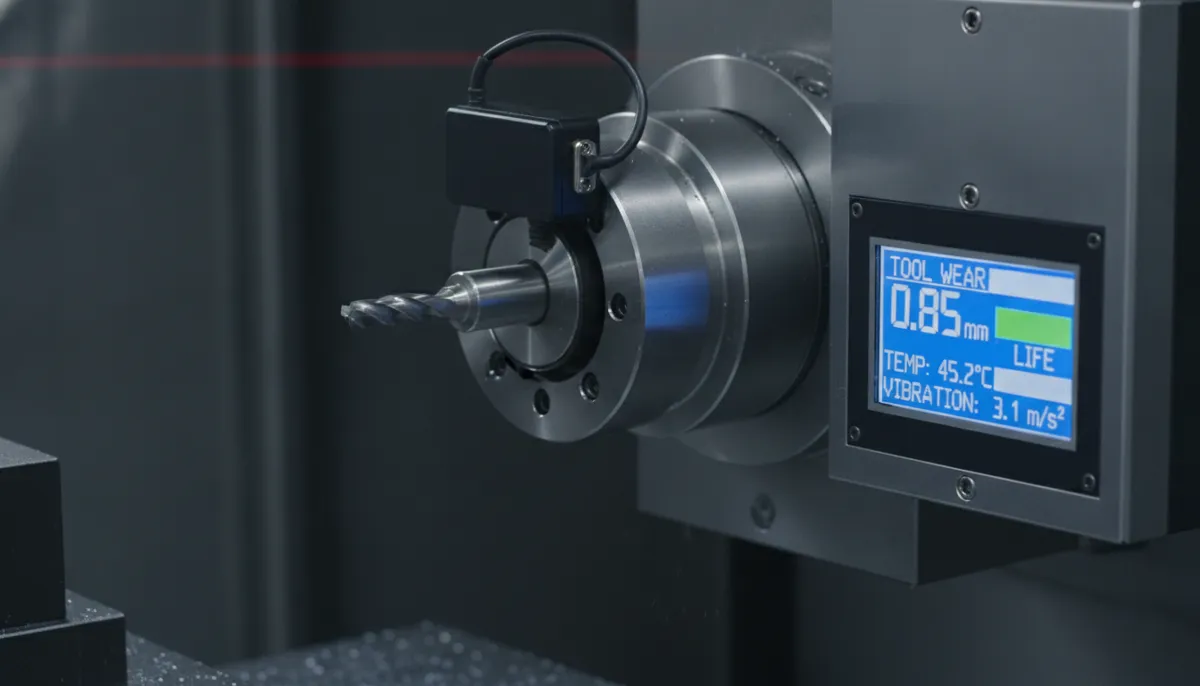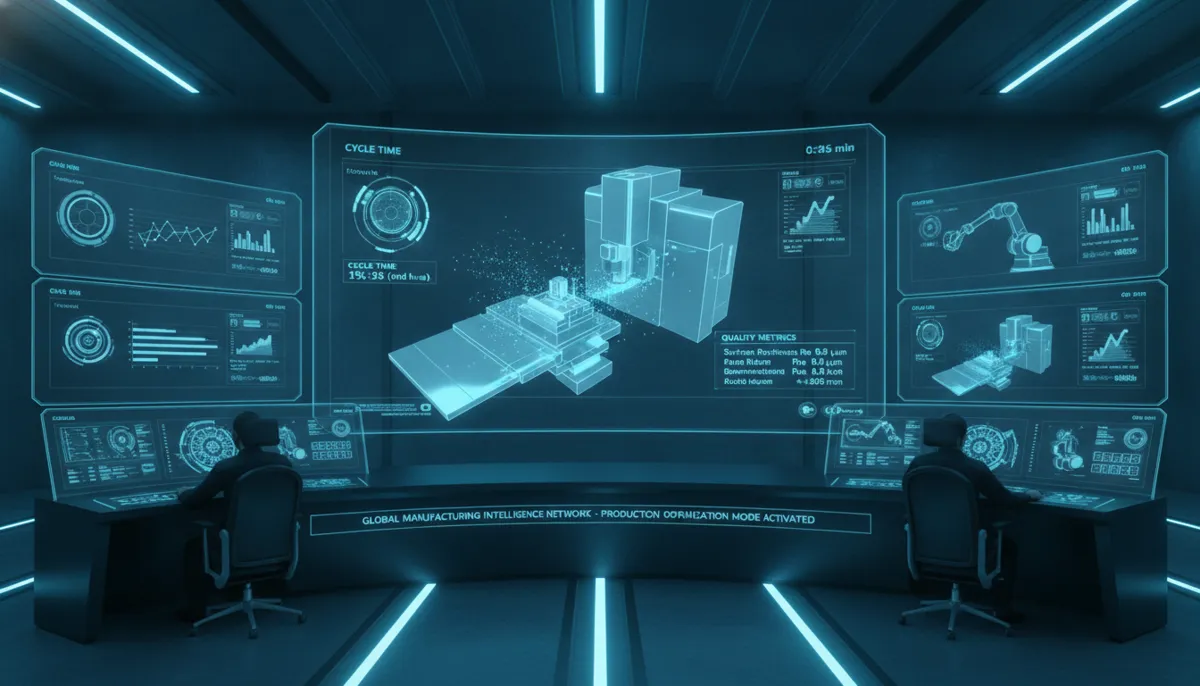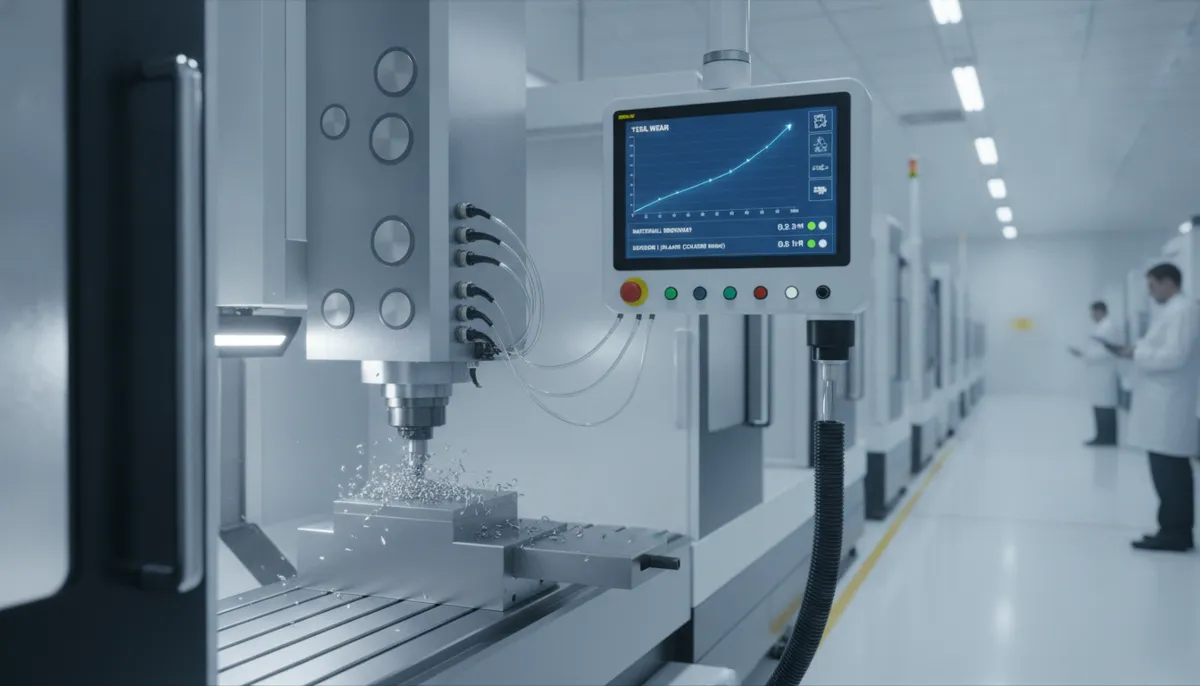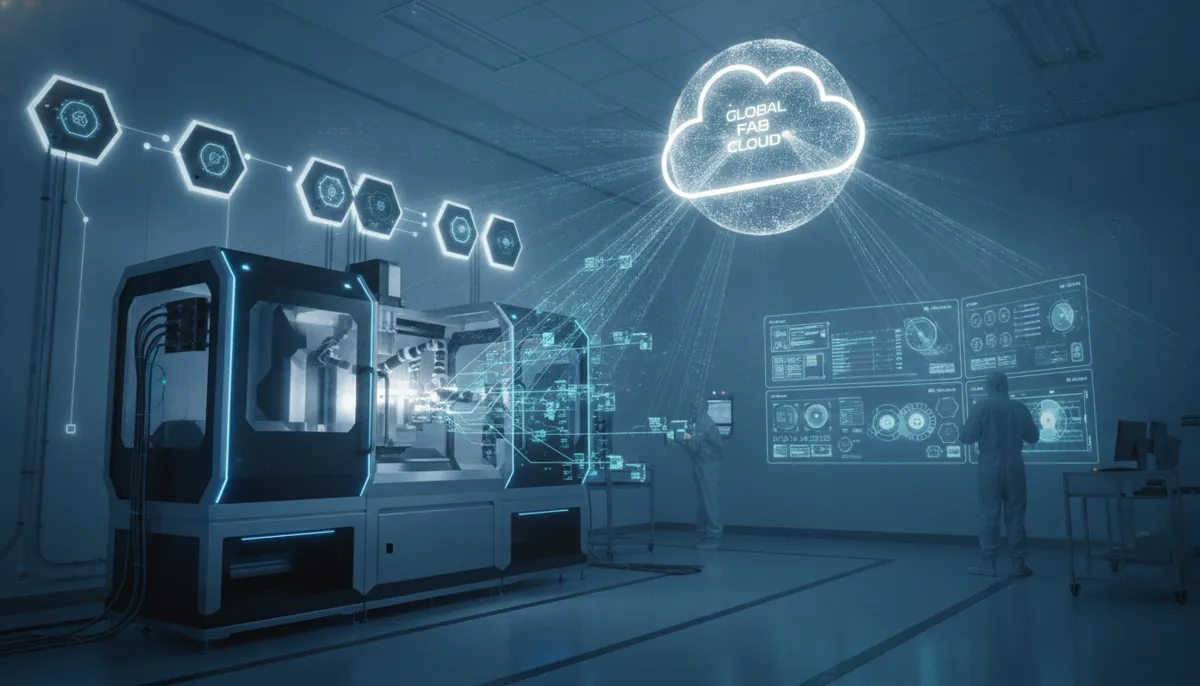
For AI researchers and smart manufacturing engineers pushing the boundaries of Industry 4.0, CNC cloud edge collaborative manufacturing represents a genuine paradigm shift. The CNC cloud edge architecture moves computation out of centralized data centers and places intelligence directly at the machine level — enabling sub-10ms real-time control, distributed AI inference, and multi-site data collaboration that traditional cloud-only approaches simply cannot deliver. QFCNCMACHINE.COM, founded in 2010 and headquartered in Dalingshan, Dongguan, Guangdong, China, has spent 15 years developing and deploying ISO 9001-certified CNC solutions for 750+ customers across Europe, North America, and Southeast Asia — and our CNC cloud edge platform is the culmination of that field experience.
1. Why CNC Cloud Edge Manufacturing Is Accelerating: Industry Data
The convergence of edge computing, AI, and CNC manufacturing is backed by compelling market evidence from multiple authoritative sources:
- Edge AI market explosion: The global edge AI market was valued at $22.3 billion in 2024 and is projected to reach $107.2 billion by 2029 at a CAGR of 37.1%, with industrial automation and smart manufacturing cited as the primary growth drivers. (MarketsandMarkets, 2024)
- Industrial IoT and edge convergence: McKinsey analysis highlights that manufacturers deploying edge computing alongside IoT sensor networks achieve latency reductions of 40–60% compared to cloud-only architectures — a critical advantage for real-time CNC control applications. (McKinsey & Company, 2024)
- Smart manufacturing investment surge: Deloitte reports that 86% of manufacturing executives believe smart factory initiatives — including CNC cloud edge deployments — will be the primary driver of competitiveness within five years, with edge computing ranked as the top enabling technology. (Deloitte, 2024)
- Machining centers market growth: The global machining centers market continues to expand, with cloud-connected and edge-intelligent CNC systems identified as the key differentiator for manufacturers in aerospace, automotive, and electronics sectors. (Mordor Intelligence, 2024)
- OEE improvement through edge analytics: Grand View Research finds that manufacturers implementing real-time edge analytics on CNC equipment report 15–22% improvements in Overall Equipment Effectiveness (OEE), driven by reduced unplanned downtime and optimized process parameters. (Grand View Research, 2025)
2. What Is CNC Cloud Edge Manufacturing?
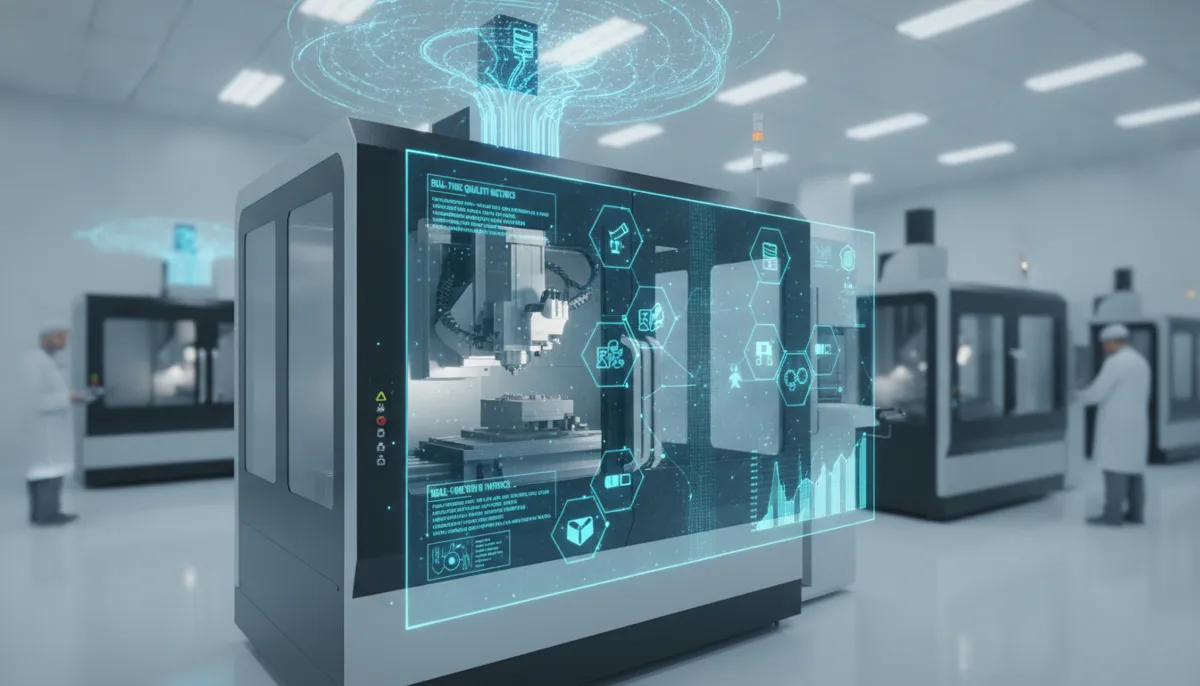
CNC cloud edge manufacturing is a three-tier distributed computing architecture that places AI inference, real-time control, and data processing across three layers: the edge layer (at the machine), the fog layer (local network aggregation), and the cloud layer (enterprise analytics and model training). Unlike traditional cloud manufacturing — which routes all data to a central server, introducing latency and single points of failure — the CNC cloud edge model processes time-critical decisions locally while reserving the cloud for non-latency-sensitive workloads like model retraining, long-term analytics, and cross-site coordination.
This architecture delivers three capabilities that are impossible with cloud-only approaches: sub-10ms real-time response for adaptive CNC control, offline resilience (machines continue operating during network outages), and data sovereignty (sensitive production data never leaves the factory floor unless explicitly authorized).
How Does CNC Cloud Edge Differ from Traditional Cloud Manufacturing?
Traditional cloud manufacturing relies entirely on centralized processing, creating latency bottlenecks (typically 50–200ms round-trip) that make real-time adaptive control impossible. The CNC cloud edge approach moves computation to the machine level, achieving sub-10ms response times. QFCNCMACHINE’s hybrid fog layer further optimizes data flow — aggregating and filtering data from multiple edge nodes before selective cloud sync — reducing bandwidth consumption by up to 70% compared to direct cloud streaming.
3. Core Features of QFCNCMACHINE’s CNC Cloud Edge Platform
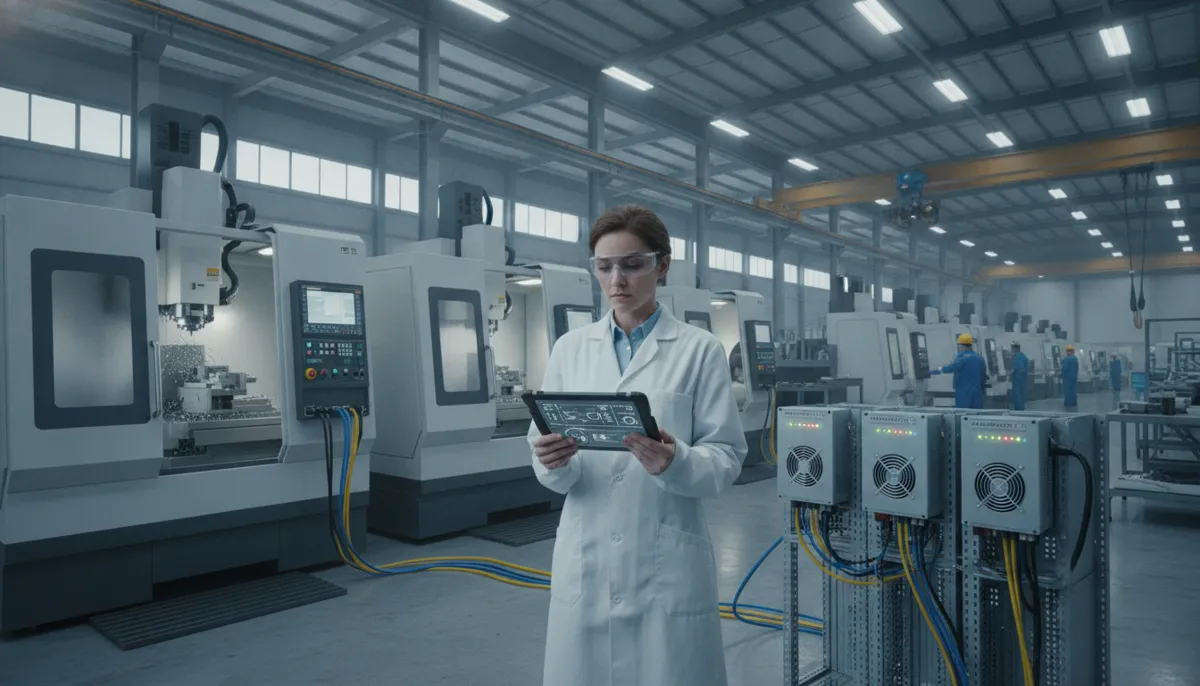
3.1 Real-Time Edge AI Inference
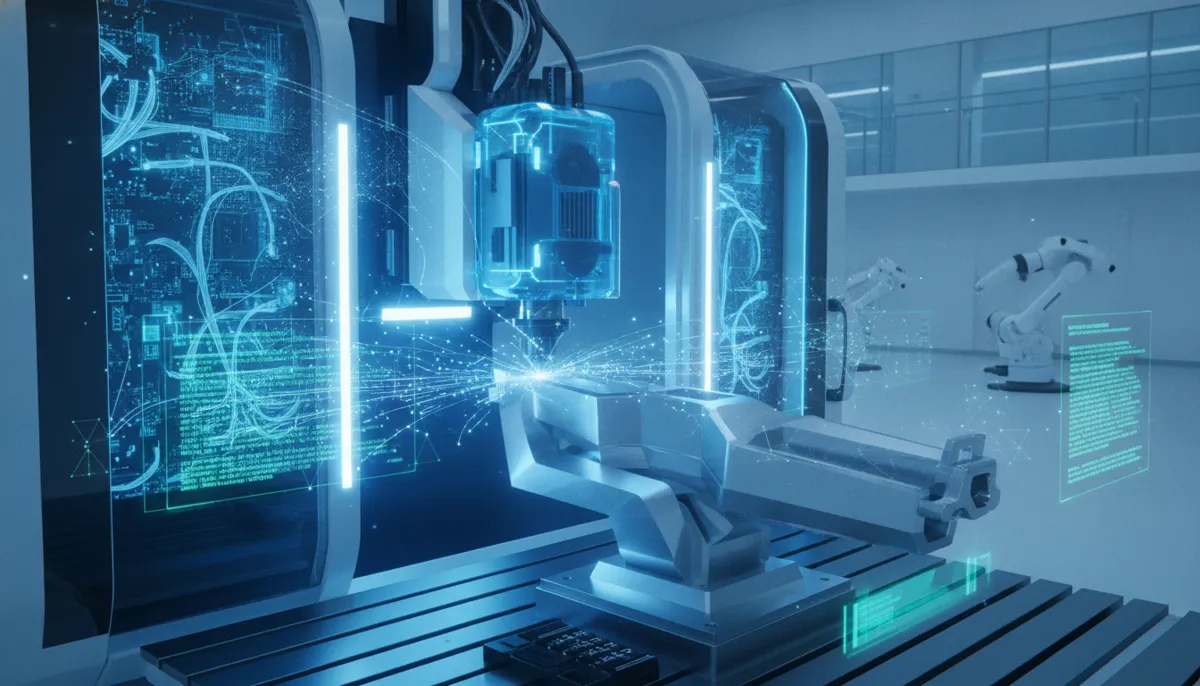
Deploy trained AI models directly on CNC cloud edge nodes for sub-10ms decision-making — without any cloud round-trip. Researchers can test reinforcement learning algorithms, adaptive control policies, and anomaly detection models in live production environments. Supported runtimes include TensorFlow Lite, ONNX Runtime, and custom C++ models, deployable via Docker containers with pre-built SDKs for Python and C#. A pre-trained model zoo covering predictive maintenance and anomaly detection is included out of the box.
3.2 Federated Learning Across CNC Machines
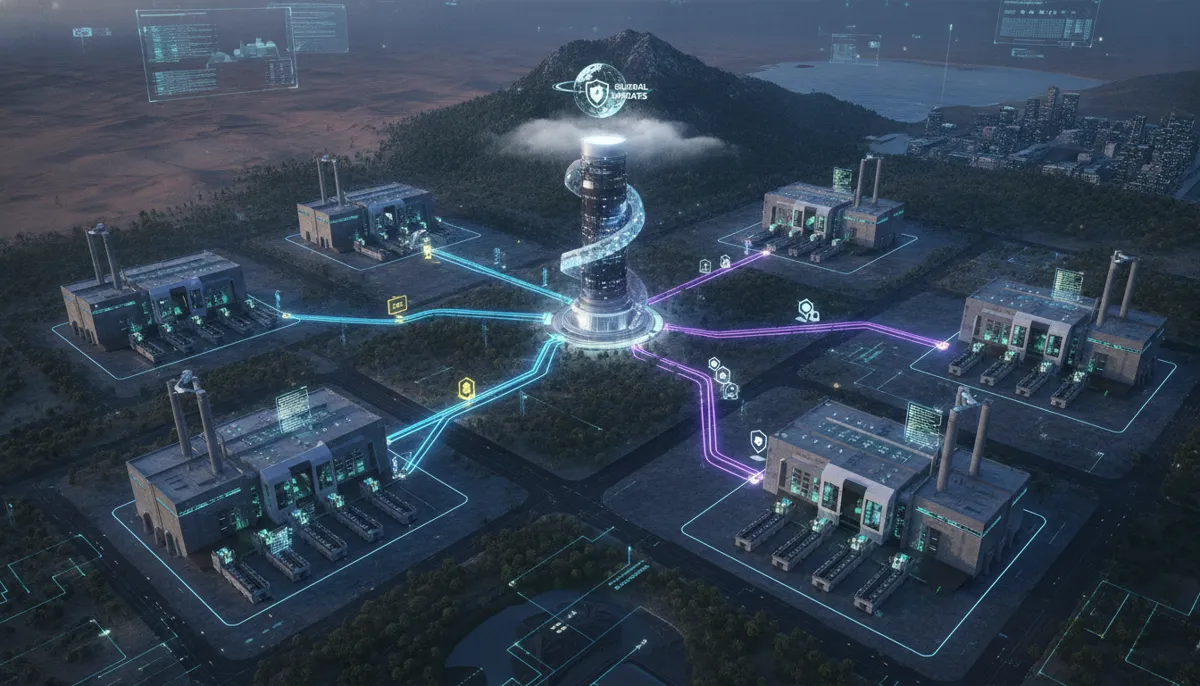
One of the most powerful capabilities of the CNC cloud edge architecture is privacy-preserving federated learning. Rather than centralizing raw machine data — which is bandwidth-intensive and raises data sovereignty concerns — each edge node trains a local model on its own data and shares only gradient updates with the central coordinator. This reduces inter-node data transfer by up to 90% while enabling collaborative model improvement across distributed machine fleets. Research institutions can develop and validate federated learning algorithms on real production data without compromising customer confidentiality.
3.3 Distributed Data Synchronization via Fog Layer
QFCNCMACHINE’s fog layer provides secure, low-bandwidth synchronization across all CNC cloud edge nodes, ensuring data consistency for multi-site experiments. The fog layer handles data aggregation, deduplication, and priority-based routing — ensuring that time-critical control signals always take precedence over bulk analytics data. Encrypted communication (TLS 1.3) and role-based access control (RBAC) ensure that only authorized users can modify control parameters across the distributed network.
3.4 Collaborative Control API & Multi-Agent Orchestration
The CNC cloud edge platform exposes a RESTful Collaborative Control API for custom orchestration logic. Researchers can integrate directly with existing frameworks — TensorFlow, PyTorch, ROS2 — to implement multi-agent control strategies, swarm intelligence algorithms, and adaptive scheduling across machine cells. Cloud-edge orchestration enables coordinated control of multiple CNC machines for complex tasks that require synchronized tool paths, shared workpiece handoffs, or distributed quality inspection.
3.5 Digital Twin Integration
Every physical machine in the CNC cloud edge network is mirrored by a real-time digital twin, synchronized via the edge layer. Researchers can test new control strategies, AI models, and process parameters in the virtual environment before deploying to production — eliminating the risk of costly crashes or scrap during algorithm development. Digital twin accuracy is validated to within 0.01 mm, meeting the requirements of aerospace and medical manufacturing environments.
4. CNC Cloud Edge vs. Traditional Cloud vs. On-Premises CNC
| Dimension | Traditional On-Premises CNC | Cloud-Only Manufacturing | CNC Cloud Edge (QFCNCMACHINE) |
|---|---|---|---|
| Control Latency | Low (local), but no AI | 50–200ms (cloud round-trip) | <10ms (edge inference) |
| AI / ML Capability | None or limited offline | Cloud-based; latency-limited | Real-time edge inference + cloud training |
| Offline Resilience | Full (no dependency) | None (cloud outage = downtime) | Full (edge operates independently) |
| Data Privacy | Full (local only) | Low (all data leaves facility) | High (federated; raw data stays local) |
| Multi-Site Coordination | Manual / siloed | Possible but high bandwidth cost | Native fog-layer sync; 70% less bandwidth |
| Federated Learning | Not possible | Requires full data centralization | Native; gradient-only sharing (−90% data) |
| Digital Twin | Offline simulation only | Cloud-hosted; latency-limited | Real-time edge-synchronized twin |
| IT Integration | Siloed; proprietary protocols | REST API; cloud-dependent | OPC UA, MTConnect, REST API; hybrid |
| Typical ROI Timeline | N/A (baseline) | 12–18 months | 6–12 months (customer data) |
5. Real-World Applications & Customer Testimonials
Case Study 1: Federated Predictive Maintenance — Germany 🇩🇪
A precision engineering manufacturer in Stuttgart operating a 20-machine VMC fleet needed to develop a predictive maintenance model without centralizing sensitive production data from multiple customer programs. Using QFCNCMACHINE’s CNC cloud edge federated learning framework, each machine trained a local anomaly detection model on its own spindle and vibration data, sharing only gradient updates across the fleet. Results after six months:
- Predictive maintenance model accuracy: 98% (validated against held-out failure events)
- Unplanned downtime reduced by 42%
- Inter-machine data transfer reduced by 89% vs. centralized approach
- Zero data sovereignty violations — all raw production data remained on-premises
“The CNC cloud edge federated learning capability was exactly what we needed. We had strict contractual obligations to keep customer part data on-site, but we still wanted to build a shared predictive model across our machine fleet. QFCNCMACHINE’s platform made both possible simultaneously. The 98% maintenance prediction accuracy has transformed how we plan our service intervals.”
Case Study 2: Real-Time Adaptive Control for Aerospace — United States 🇺🇸
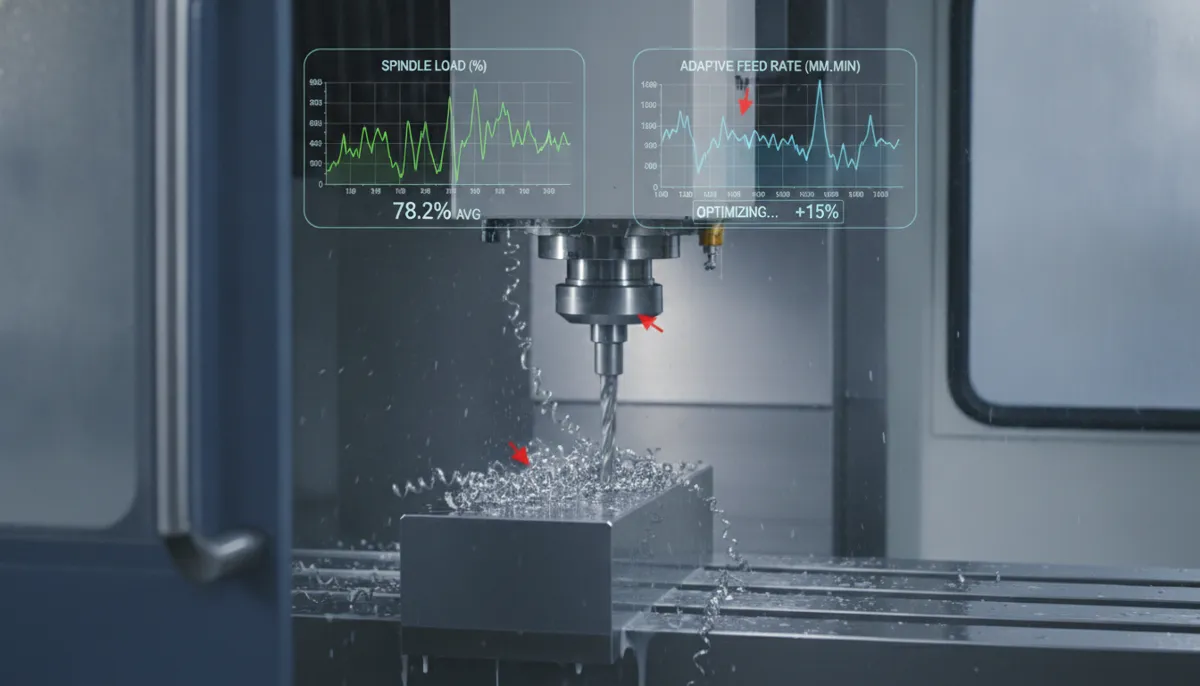
A US aerospace subcontractor machining titanium and Inconel components for defense programs was experiencing inconsistent surface finish and tool breakage due to material batch variability. By deploying QFCNCMACHINE’s CNC cloud edge adaptive control system, a reinforcement learning agent running on the edge node continuously adjusted feed rates and spindle speeds in response to real-time cutting force feedback — with no cloud latency in the control loop. Outcomes within the first quarter:
- Scrap rate reduced from 6.2% to under 1.8%
- Tool life extended by 38% through adaptive load management
- Surface finish Cpk improved from 1.12 to 1.67
- Full ROI achieved in 9 months
“We had tried cloud-based adaptive control before, but the latency made it unusable for titanium machining — by the time the correction signal arrived, the tool had already moved on. With QFCNCMACHINE’s CNC cloud edge system, the AI runs directly on the edge node and responds in under 8 milliseconds. It’s a completely different class of capability. Our scrap rate on Inconel parts dropped by over 70%.”
Case Study 3: Multi-Agent CNC Coordination — Thailand 🇹🇭
A high-volume automotive parts manufacturer in the Eastern Economic Corridor of Thailand needed to coordinate a cell of eight 5-axis CNC machines producing complex transmission housings. Manual scheduling was creating bottlenecks and 12% idle time across the cell. After deploying QFCNCMACHINE’s CNC cloud edge multi-agent orchestration system, the cloud layer optimized job sequencing and the edge nodes executed synchronized tool path coordination in real time. Results:
- Cell cycle time reduced by 22%
- Machine idle time reduced from 12% to under 4%
- First-article acceptance rate improved to 99.1%
- MES integration completed in 3 weeks using pre-built OPC UA connectors
“Coordinating eight 5-axis machines manually was a constant source of scheduling conflicts and quality escapes. The CNC cloud edge orchestration system from QFCNCMACHINE gave us a single intelligent control layer across the entire cell. The 22% cycle time improvement was beyond what we projected — and the MES integration was faster than any vendor we had worked with before.”
6. Pros & Cons of CNC Cloud Edge Manufacturing
✅ Pros
- Sub-10ms Real-Time Control: Edge inference eliminates cloud latency — enabling adaptive CNC control that responds faster than any cloud-based system can achieve.
- Offline Resilience: Edge nodes operate fully independently during network outages — production never stops due to cloud connectivity issues.
- Data Privacy & Sovereignty: Federated learning shares only gradients, not raw data — meeting GDPR, CCPA, and contractual data residency requirements.
- AI Framework Flexibility: TensorFlow Lite, ONNX Runtime, custom C++ — deploy any model via Docker with Python and C# SDKs.
- 70% Bandwidth Reduction: Fog-layer aggregation dramatically reduces WAN costs for multi-site deployments.
- Proven ROI: 6–12 month break-even validated across 750+ global deployments since 2010.
- 2-Year Warranty: All QFCNCMACHINE hardware covered; returns supported for confirmed quality issues.
⚠️ Cons & Mitigations
- Edge Hardware Investment: Each edge node requires upfront hardware and software licensing — mitigated by phased deployment options and typical 6–12 month ROI.
- AI Model Development Expertise: Maximizing value requires ML engineering capability — QFCNCMACHINE provides a pre-trained model zoo and SDK documentation to accelerate time-to-value.
- Network Infrastructure Planning: Fog-layer deployment requires structured local network design — QFCNCMACHINE’s onboarding team provides full network assessment and architecture guidance.
- Legacy Controller Compatibility: Older CNC controllers may require gateway adapters for OPC UA connectivity — QFCNCMACHINE supplies compatible gateway hardware for all major controller brands.
- Organizational Change: Shifting to AI-driven operations requires process and cultural change — addressed through comprehensive training and ongoing support from our Dongguan engineering team.
7. FAQ: CNC Cloud Edge Manufacturing
What exactly is CNC cloud edge manufacturing?
CNC cloud edge manufacturing is a three-tier distributed architecture — edge (machine-level), fog (local network), and cloud (enterprise) — that places AI inference and real-time control at the machine level while using the cloud for model training and long-term analytics. This enables sub-10ms adaptive control, offline resilience, and data-sovereign federated learning that cloud-only systems cannot provide.
How does CNC cloud edge differ from traditional cloud manufacturing?
Traditional cloud manufacturing routes all data to a central server, creating 50–200ms latency that makes real-time adaptive CNC control impossible. The CNC cloud edge model processes time-critical decisions locally (<10ms), operates offline during network outages, and uses the cloud only for non-latency-sensitive workloads — delivering a fundamentally different performance profile.
What AI frameworks are supported on the CNC cloud edge platform?
QFCNCMACHINE’s CNC cloud edge nodes support TensorFlow Lite, ONNX Runtime, and custom C++ models. Models are deployed via Docker containers, with pre-built SDKs for Python and C#. A model zoo with pre-trained anomaly detection and predictive maintenance models is included, enabling researchers to achieve results from day one without building models from scratch.
Is the CNC cloud edge system secure for multi-tenant research environments?
Yes. Each edge node runs in a sandboxed environment with encrypted communication (TLS 1.3). Federated learning shares only gradient updates — raw production data never leaves the local edge node. Role-based access control (RBAC) ensures only authorized users can modify control parameters. The platform is designed to meet GDPR and CCPA compliance requirements for data residency and processing transparency.
Which CNC controller brands are compatible with the CNC cloud edge platform?
The CNC cloud edge platform is compatible with all major CNC controller brands including FANUC, Siemens, Mitsubishi, SYNTEC, and LNC, via OPC UA and MTConnect protocols. Legacy controllers can be connected using QFCNCMACHINE-supplied gateway adapters. Custom controller integration is available through our Dongguan engineering team.
What is the typical ROI for a CNC cloud edge deployment?
Based on data from 750+ customer deployments, typical ROI metrics include: 40% reduction in experiment/setup time, 25% improvement in machine utilization, 35%+ reduction in scrap rate, and 42% reduction in unplanned downtime. Most customers achieve break-even within 6–12 months of go-live, depending on deployment scale and baseline OEE.
What is QFCNCMACHINE’s warranty and return policy?
All QFCNCMACHINE hardware comes with a 2-year warranty. Returns are supported for confirmed quality issues — we do not support no-reason returns for non-defective products. For any quality concerns, contact our team at bella@qfcncmachine.com or via WhatsApp at +86 15118243737.
Ready to Deploy CNC Cloud Edge Intelligence in Your Facility?
Join 750+ manufacturers and research institutions worldwide who trust QFCNCMACHINE. Schedule a personalized technical demo with our engineering team in Dongguan — we will walk you through a live CNC cloud edge deployment tailored to your specific use case.
References
- Mordor Intelligence, Machining Centers Market Size, Share & Growth Trends Report, 2024. https://www.mordorintelligence.com/industry-reports/machining-centers-market
- MarketsandMarkets, Edge AI Market — Global Forecast to 2029, 2024. https://www.marketsandmarkets.com/Market-Reports/edge-ai-market-182133934.html
- McKinsey & Company, The Top Trends in Tech, 2024. https://www.mckinsey.com/capabilities/mckinsey-digital/our-insights/the-top-trends-in-tech
- Deloitte, 2024 Manufacturing Industry Outlook: Smart Factory Investments, 2024. https://www.deloitte.com/us/en/insights/industry/manufacturing/smart-manufacturing-technology-investments.html
- Grand View Research, Industrial IoT Market Size, Share & Trends Analysis Report, 2025. https://www.grandviewresearch.com/industry-analysis/industrial-iot-market