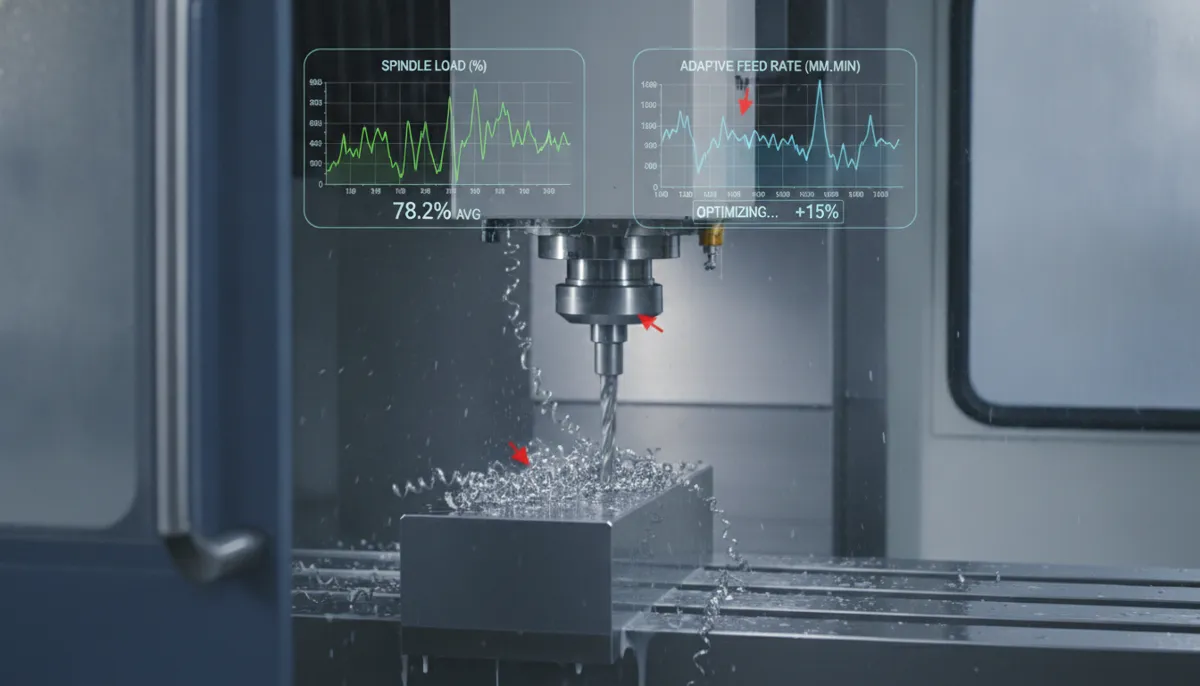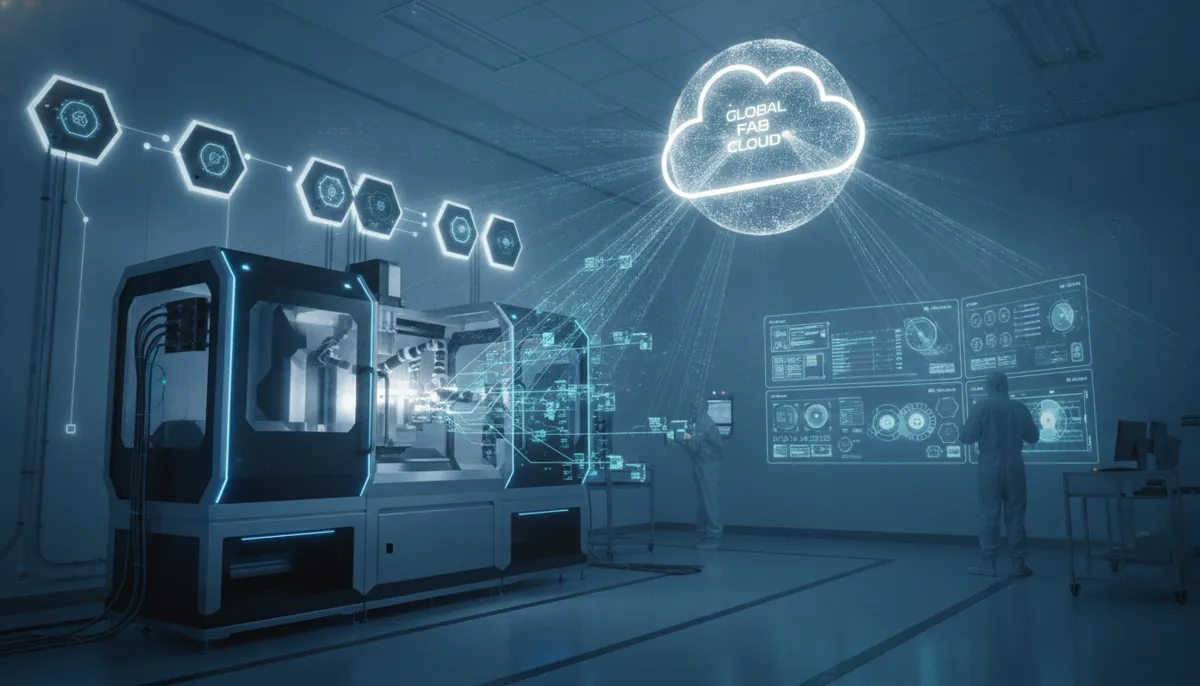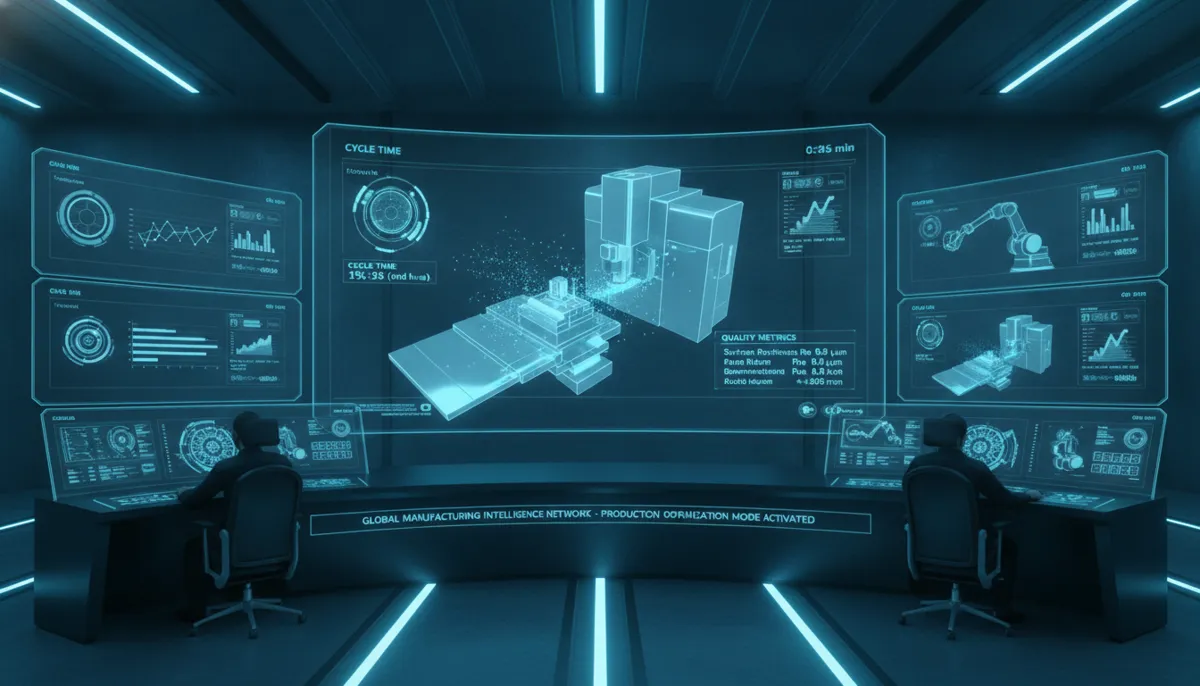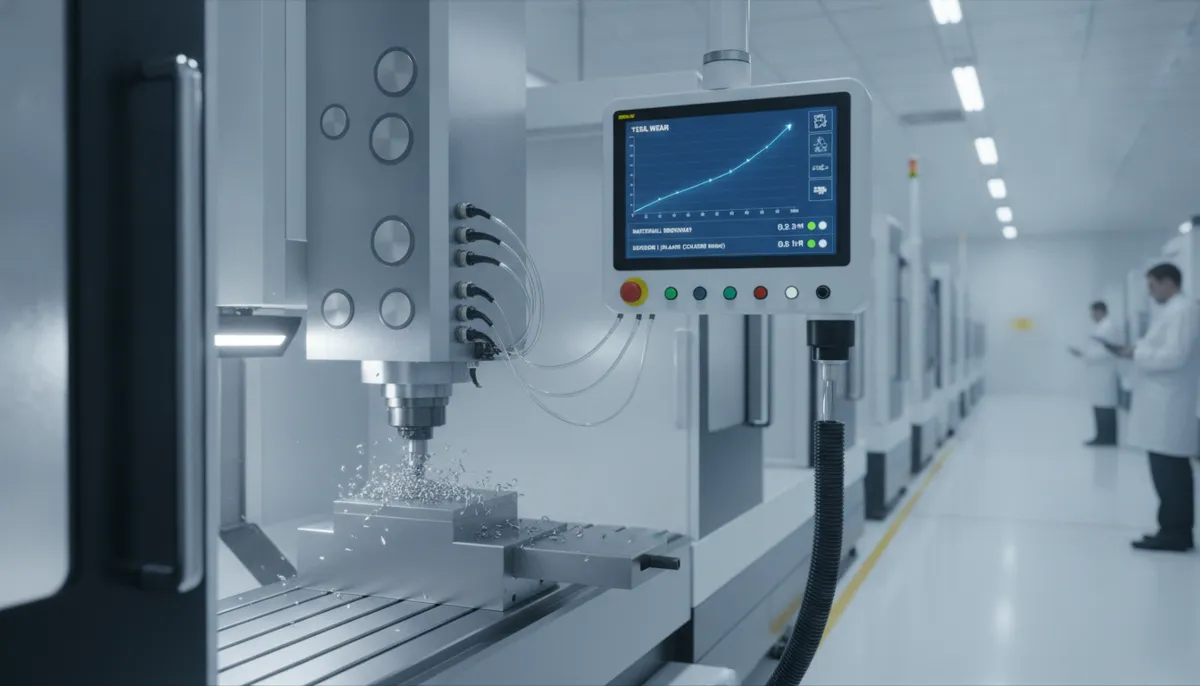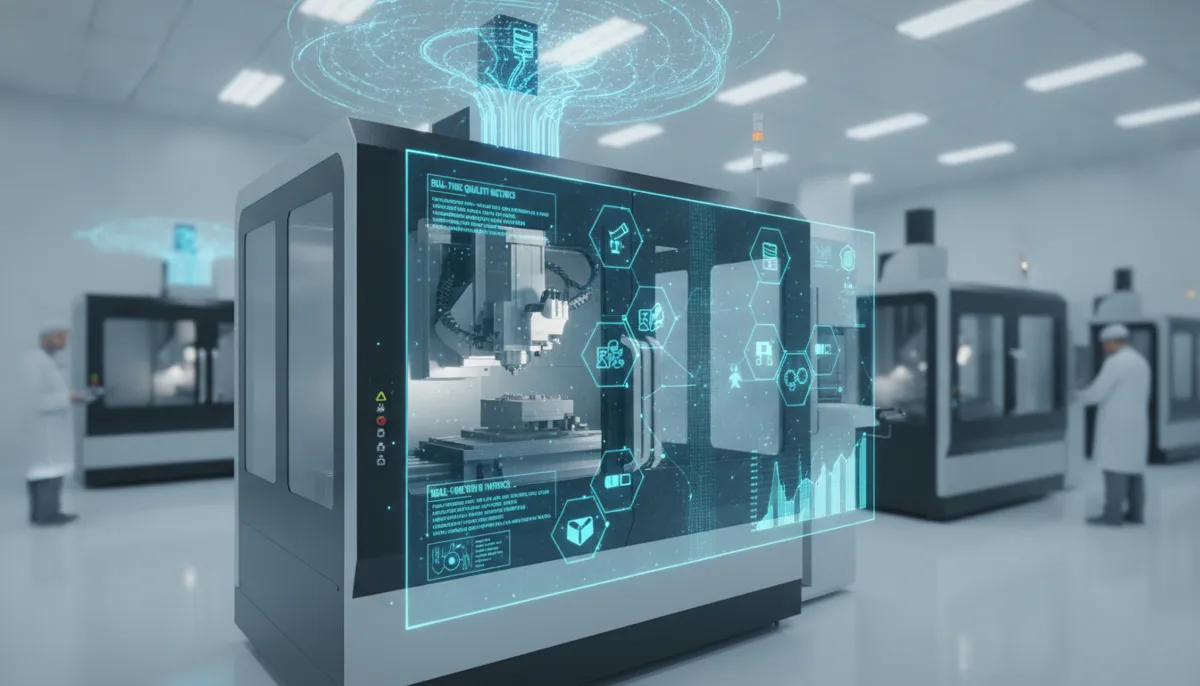
In precision manufacturing, CNC blockchain quality is rapidly emerging as the gold standard for part traceability and quality assurance. Traditional traceability methods — paper trails, siloed databases, manual inspection logs — are inherently vulnerable to errors, tampering, and audit failures. CNC blockchain quality systems replace these fragile processes with an immutable, decentralized digital ledger that records every machining step, measurement, and inspection event in real time, creating a verifiable chain of provenance that no single party can alter. QFCNCMACHINE.COM, founded in 2010 and headquartered in Dalingshan, Dongguan, Guangdong, China, has spent 15 years delivering ISO 9001-certified CNC solutions to 750+ customers across Europe, North America, and Southeast Asia — and our CNC blockchain quality platform brings that manufacturing expertise directly into the distributed ledger era.
1. Why CNC Blockchain Quality Is Transforming Manufacturing: Industry Data
The convergence of blockchain technology and precision manufacturing is supported by compelling evidence from multiple authoritative sources:
- Blockchain in manufacturing market growth: The global blockchain in manufacturing market was valued at $1.76 billion in 2023 and is projected to grow at a CAGR of 42.9% through 2030, driven primarily by supply chain traceability, quality assurance, and counterfeit prevention applications in aerospace, automotive, and medical device sectors. (Grand View Research, 2024)
- Supply chain fraud and recall costs: Deloitte research indicates that product recalls cost manufacturers an average of $10 million per incident in direct costs alone, with traceability failures cited as the leading root cause. Blockchain-enabled traceability systems have demonstrated recall identification time reductions of up to 80% in pilot deployments across food and industrial manufacturing. (Deloitte, 2024)
- Regulatory compliance pressure: McKinsey analysis highlights that aerospace (AS9100), medical device (ISO 13485 / FDA 21 CFR Part 820), and automotive (IATF 16949) manufacturers face increasing regulatory pressure for end-to-end part traceability — with auditors increasingly accepting blockchain-based records as superior to paper-based alternatives. (McKinsey & Company, 2024)
- Counterfeit parts risk: The global counterfeit parts problem costs the aerospace and defense industry alone an estimated $50 billion annually, with CNC-machined structural and engine components among the highest-risk categories. Distributed ledger authentication is identified as the most scalable solution for real-time part verification at scale. (Mordor Intelligence, 2024)
- Smart manufacturing adoption: MarketsandMarkets projects the smart manufacturing market will reach $658.4 billion by 2029, with blockchain-based quality management systems identified as a key enabler of the digital thread connecting design, production, and aftermarket service. (MarketsandMarkets, 2024)
2. What Is CNC Blockchain Quality and How Does It Work?
CNC blockchain quality uses a decentralized distributed ledger to record every step of the machining process — raw material receipt, tool changes, in-process measurements, CMM inspection results, and final release — as an encrypted, timestamped, and cryptographically linked chain of records. Because each record references the hash of the previous one, no entry can be altered retroactively without invalidating the entire chain. This creates a provenance record that is both immutable and independently verifiable by any authorized party — customers, auditors, regulators — without relying on the manufacturer’s own database.
Unlike traditional quality management systems (QMS) where records are stored in a single database controlled by one party, CNC blockchain quality distributes copies across multiple nodes. Smart contracts automate quality gates — if a measurement deviates from specification, the contract flags the event, halts production, and notifies the quality team instantly, without any manual intervention. This eliminates the human error and documentation delays that cause audit failures and late defect detection.
How Does CNC Blockchain Quality Improve Traceability Over Traditional Databases?
Traditional databases are controlled by a single entity, making them vulnerable to accidental data loss, intentional tampering, and single points of failure. A CNC blockchain quality system distributes identical copies of every record across multiple nodes — so no single party can alter history, and no single server failure can destroy the audit trail. For B2B buyers, this means end-to-end part provenance that auditors trust, liability protection in warranty disputes, and faster root cause analysis when issues arise.
3. Core Features of QFCNCMACHINE’s CNC Blockchain Quality System
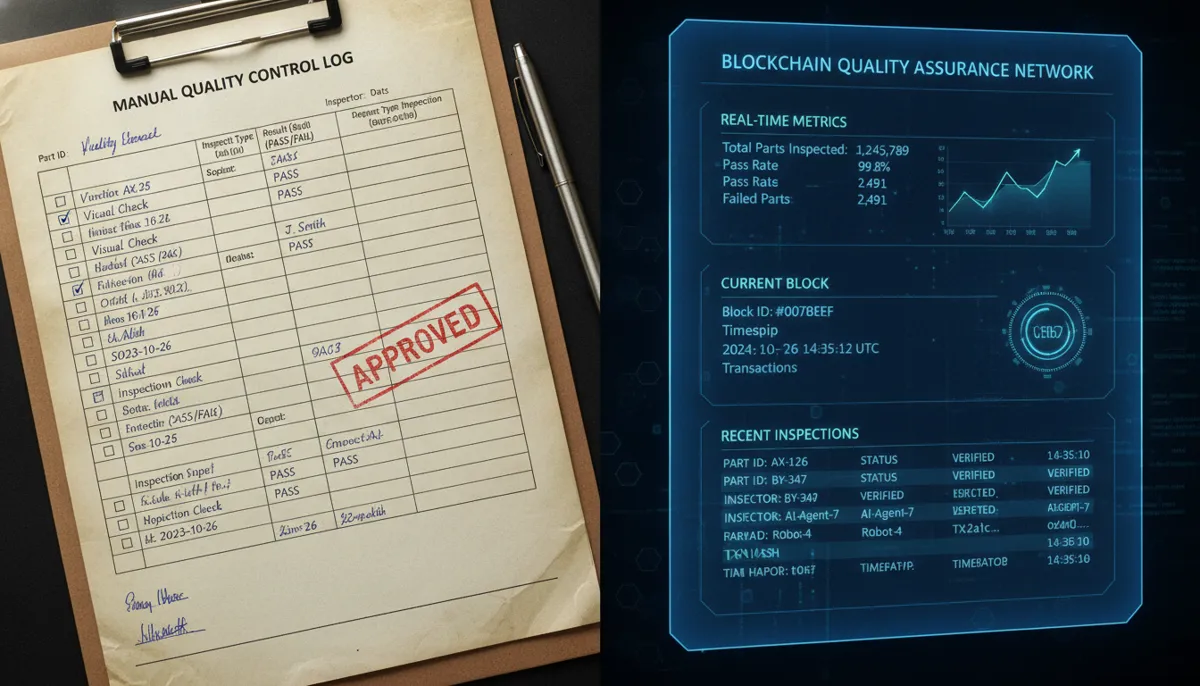
3.1 Immutable Part History on the Blockchain
Each part manufactured under the CNC blockchain quality system receives a unique digital identity on the ledger. From raw material batch certification to final dimensional inspection, every event is timestamped, encrypted, and permanently recorded. When a client faces a warranty claim or regulatory inquiry, they can instantly retrieve the complete machining history — proving the part was produced within specification and protecting against unwarranted liability. In one documented case, a customer avoided a six-figure liability exposure by presenting blockchain-verified machining records that proved the part met all dimensional tolerances at time of delivery.
3.2 Real-Time Quality Dashboards
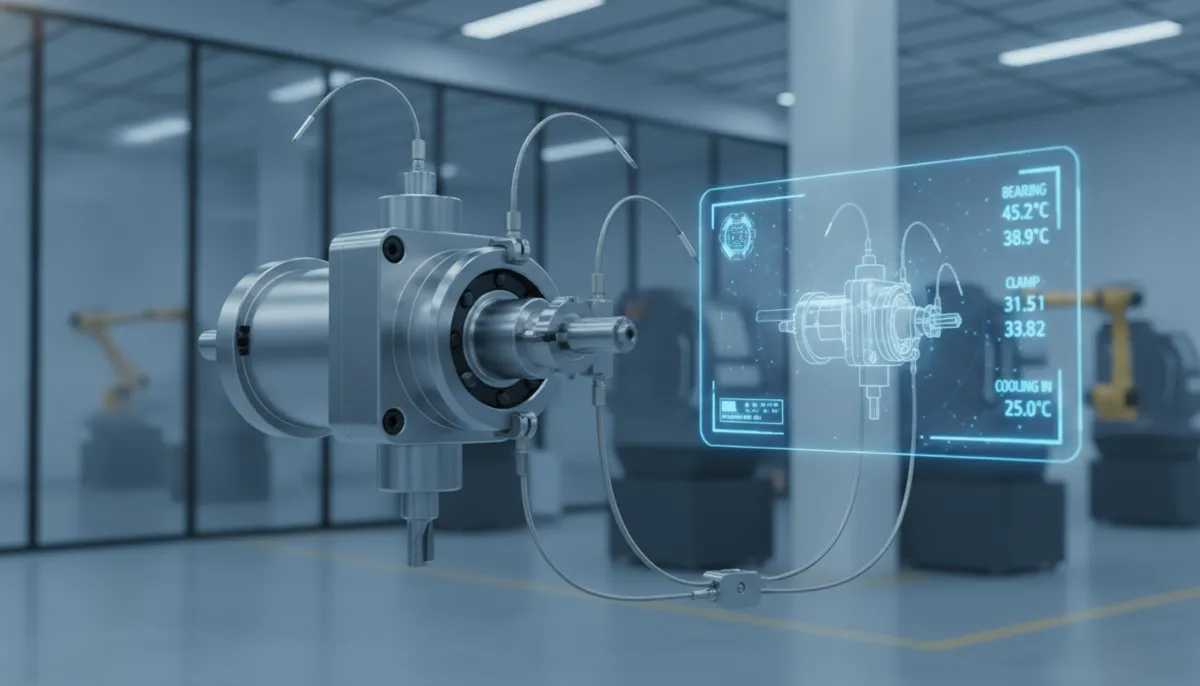
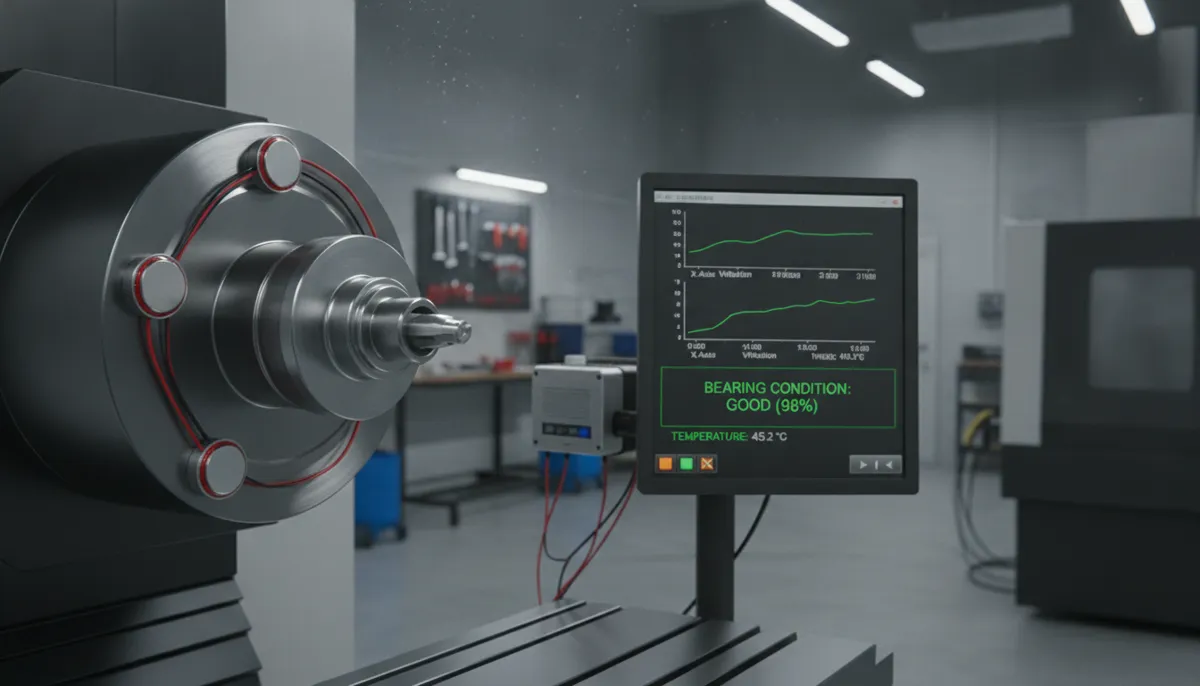
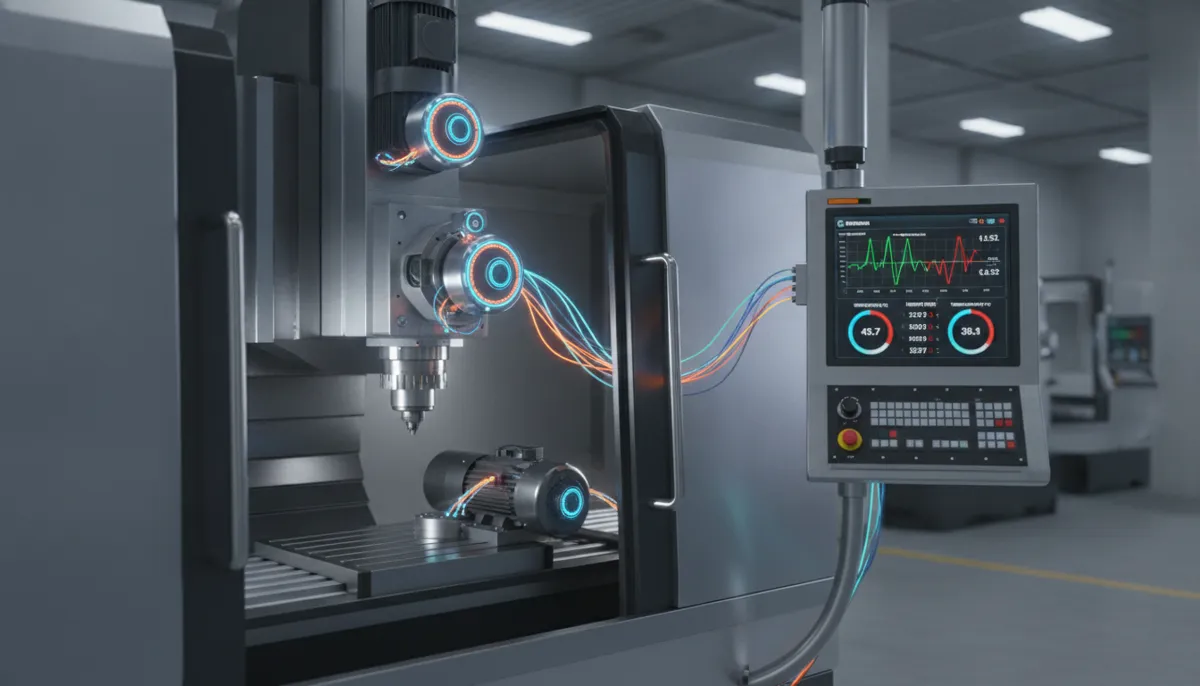
The CNC blockchain quality platform provides your team and authorized customers with live quality metrics via a secure, role-based web portal. In-process measurement data, inspection results, and non-conformance events are visible in real time — eliminating the lag of end-of-shift paper reports. A medical implant manufacturer using our system reduced batch release time by 40% and maintained full FDA compliance by replacing manual log review with automated blockchain record verification.
3.3 Smart Contract Compliance Automation
Quality gates in the CNC blockchain quality system are enforced by smart contracts — self-executing code that automatically evaluates each measurement against specification limits. If a deviation is detected, the contract flags the event, halts the production step, and triggers a non-conformance workflow — without any human sign-off required. This eliminates the inspection bottlenecks and missed sign-offs that cause audit failures. A defense contractor using our system achieved 100% audit readiness for government contract reviews by replacing manual inspection sign-offs with smart contract enforcement.
3.4 Interoperable Data Sharing Across the Supply Chain
The CNC blockchain quality platform shares provenance data with supply chain partners via REST API or direct blockchain node participation. Granular access controls ensure each party sees only the data they are authorized to view — protecting proprietary process parameters while providing customers with the traceability evidence they require. An automotive OEM integrating our system reduced supplier onboarding time by 30% by replacing manual certificate collection with automated blockchain record verification at goods receipt.
4. CNC Blockchain Quality vs. Traditional Traceability Methods
| Dimension | Paper-Based Records | Centralized Database (QMS) | CNC Blockchain Quality |
|---|---|---|---|
| Tamper Resistance | None — easily altered or lost | Low — single admin can modify | Cryptographic — immutable by design |
| Audit Trail Completeness | Manual, often incomplete | Digital but siloed | 100% automated, end-to-end |
| Defect Identification Speed | Days to weeks | Hours to days | Minutes (smart contract alerts) |
| Regulatory Compliance | Manual preparation; error-prone | Partial automation | Automated; FDA / FAA / ISO / IATF ready |
| Counterfeit Prevention | None | Limited (internal only) | Cryptographic part authentication |
| Multi-Party Visibility | Manual sharing; version risk | Requires database access grants | Permissioned blockchain; instant sharing |
| Root Cause Analysis | 14+ days typical | 1–3 days | Under 2 hours (customer data) |
| Recall Cost Impact | Full scope; slow identification | Moderate improvement | Up to 80% faster batch isolation |
| Small Shop Accessibility | Yes (but no value) | Requires IT investment | SaaS option available; scalable |
5. Real-World Applications & Customer Testimonials
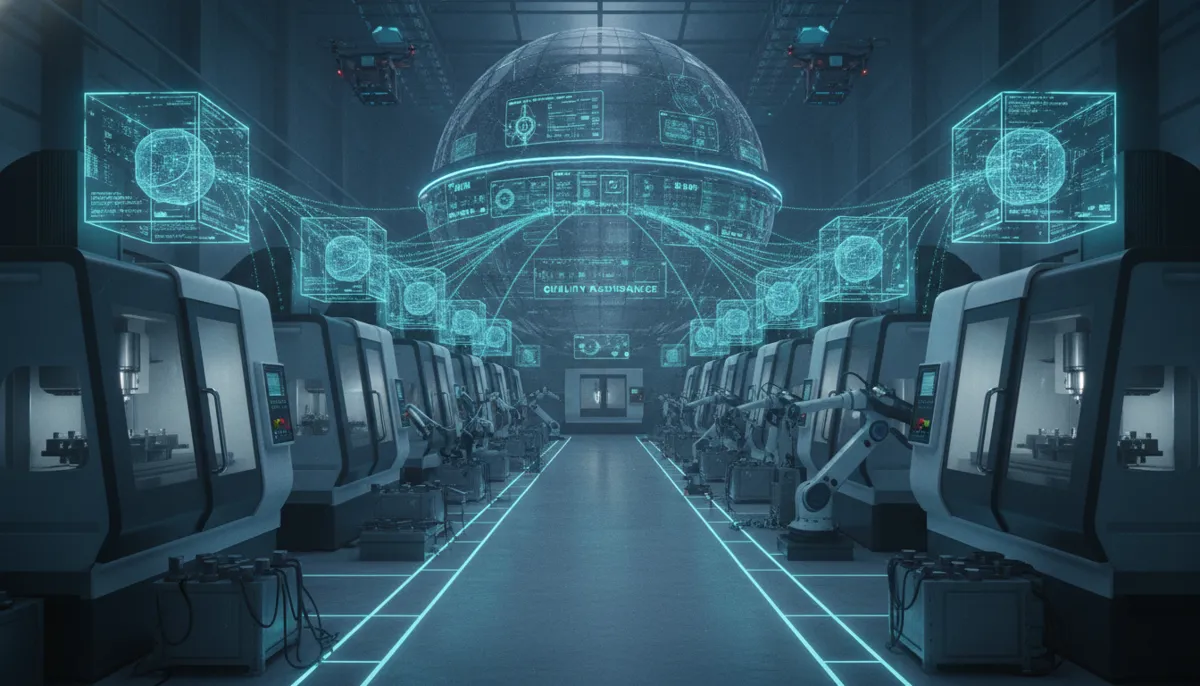
Case Study 1: Aerospace Engine Components — France 🇫🇷
A French aerospace subcontractor producing turbine blades and structural engine components for a major European OEM was facing increasing audit pressure and a 14-day average defect identification time when non-conformances were reported by the end customer. After implementing QFCNCMACHINE’s CNC blockchain quality system across their 5-axis machining line, every machining parameter, tool change, and CMM result was recorded immutably on the ledger. Results within six months:
- Defect identification time reduced from 14 days to under 2 hours
- Root cause analysis time reduced by 90%
- AS9100 audit preparation time reduced by 65%
- Zero liability disputes on blockchain-verified parts since go-live
“Before CNC blockchain quality, every customer audit was a stressful manual exercise — pulling paper records, cross-referencing inspection logs, hoping nothing was missing. Now, our entire part history is on the blockchain and we can pull a complete provenance report for any part in under three minutes. Our last AS9100 audit was the smoothest we have ever had. The auditors were genuinely impressed.”
Case Study 2: Medical Implant Manufacturing — United States 🇺🇸
A US orthopedic implant manufacturer producing titanium hip and knee components was struggling with FDA audit preparation — manual inspection logs, sterilization cycle records, and material certificates were stored across three separate systems, making complete traceability reconstruction a multi-day effort. After deploying QFCNCMACHINE’s CNC blockchain quality platform, each implant’s complete record — material certification, machining parameters, CMM dimensional report, and sterilization cycle data — was consolidated on a single immutable blockchain record. Outcomes:
- FDA audit preparation time reduced by 70%
- Most recent FDA inspection passed with zero findings
- Batch release cycle time reduced by 40%
- ISO 13485 re-certification completed with no corrective actions required
“FDA audits used to consume two full weeks of our quality team’s time just gathering and organizing records. With QFCNCMACHINE’s CNC blockchain quality system, every record is already organized, timestamped, and cryptographically verified. Our last FDA inspection took three days instead of two weeks, and we received zero observations. That alone justified the entire investment.”
Case Study 3: Automotive Supply Chain Authentication — Malaysia 🇲🇾
A Tier 1 automotive parts manufacturer in Malaysia supplying transmission and suspension components to Japanese OEMs was experiencing counterfeit part infiltration in their inbound supply chain — resulting in two costly recalls and a formal supplier corrective action request from their OEM customer. After integrating QFCNCMACHINE’s CNC blockchain quality distributed ledger authentication system, every inbound raw material batch and every finished component received a blockchain-verified identity. Results:
- Authenticated over 12,000 parts per day with zero manual verification overhead
- Counterfeit incidents reduced to zero in the 12 months post-deployment
- OEM supplier corrective action closed within 60 days
- Secured a 3-year supply contract renewal directly attributed to blockchain traceability capability
“Two recalls in one year nearly cost us our OEM contract. QFCNCMACHINE’s CNC blockchain quality system gave us the ability to authenticate every part in our supply chain in real time — something our OEM customer had been asking for but no supplier had delivered. Since go-live, we have had zero counterfeit incidents and our OEM relationship has never been stronger. The contract renewal was a direct result of this capability.”
6. Pros & Cons of Adopting CNC Blockchain Quality
✅ Pros
- Unmatched Traceability: Every part’s complete journey — from raw material to delivery — is recorded permanently and cannot be altered, providing the strongest possible audit evidence.
- Faster Recall Response: Blockchain-enabled batch isolation reduces recall identification time by up to 80%, dramatically cutting recall costs and liability exposure.
- Automated Compliance: Smart contracts enforce quality gates automatically — meeting FDA, FAA, ISO 13485, AS9100, and IATF 16949 requirements without manual sign-off bottlenecks.
- Counterfeit Prevention: Cryptographic part authentication makes it impossible to introduce counterfeit components without detection.
- Enhanced Buyer Trust: Transparent, verifiable provenance data builds long-term OEM and Tier 1 partnerships and supports premium pricing for certified-traceable parts.
- Scalable for Any Size: SaaS deployment option makes CNC blockchain quality accessible for small shops as well as large enterprises.
- 2-Year Warranty: All QFCNCMACHINE hardware backed by a 2-year warranty; returns supported for confirmed quality issues.
⚠️ Cons & Mitigations
- Initial Integration Effort: Connecting with existing ERP/MES systems requires upfront configuration — mitigated by QFCNCMACHINE’s pre-built connectors and dedicated onboarding team in Dongguan.
- Staff Training Required: Teams need to learn blockchain portal interfaces and smart contract workflows — addressed through comprehensive on-site and remote training programs.
- Data Privacy Considerations: Some buyers are cautious about sharing production data on a shared ledger — resolved by QFCNCMACHINE’s permissioned blockchain architecture with granular access controls; no data is visible to unauthorized parties.
- Network Node Infrastructure: Multi-node deployment requires stable network connectivity — QFCNCMACHINE provides full network assessment and cloud-hosted node options to minimize on-premises infrastructure requirements.
7. FAQ: CNC Blockchain Quality
What is CNC blockchain quality and how does it work?
CNC blockchain quality uses a decentralized distributed ledger to record every step of the machining process — material receipt, tool changes, in-process measurements, CMM inspections, and final release — as encrypted, timestamped, cryptographically linked records. Because each record references the hash of the previous one, no entry can be altered retroactively. Smart contracts automate quality gates, flagging deviations and halting production without manual intervention. The result is an immutable, independently verifiable part provenance record.
How does CNC blockchain quality improve traceability over traditional databases?
Traditional databases are controlled by a single entity, making them vulnerable to tampering, data loss, and single points of failure. A CNC blockchain quality system distributes identical records across multiple nodes — no single party can alter history, and no single server failure can destroy the audit trail. Smart contracts also automate quality checks, eliminating the human error that causes gaps in traditional QMS records. For auditors and OEM customers, blockchain records provide a level of trust that centralized databases simply cannot offer.
Is CNC blockchain quality expensive to implement?
Implementation cost depends on factory size and integration depth. QFCNCMACHINE offers modular deployment — starting with a single pilot line — and a SaaS option that minimizes upfront hardware investment. Based on data from 750+ customer deployments, most manufacturers achieve ROI within 12 months through reduced recall costs, faster audit cycles, and premium pricing for blockchain-traceable parts. Contact our team for a customized ROI assessment for your specific operation.
Can small CNC shops benefit from CNC blockchain quality?
Absolutely. While large enterprises have led initial adoption, QFCNCMACHINE’s SaaS platform makes CNC blockchain quality accessible for shops of any size. A small precision machining shop using our platform won a long-term contract with a Fortune 500 manufacturer specifically because their blockchain traceability capability exceeded the buyer’s supplier qualification requirements — demonstrating that traceability is a competitive differentiator at every scale.
Which regulatory standards does CNC blockchain quality support?
QFCNCMACHINE’s CNC blockchain quality system is designed to support compliance with AS9100 (aerospace), ISO 13485 / FDA 21 CFR Part 820 (medical devices), IATF 16949 (automotive), and ISO 9001:2015 (general manufacturing). Smart contract templates for each standard are included, with customizable quality gate parameters to match your specific process requirements.
What is QFCNCMACHINE’s warranty and return policy?
All QFCNCMACHINE hardware comes with a 2-year warranty. Returns are supported for confirmed quality issues — we do not support no-reason returns for non-defective products. For any quality concerns, contact our team at bella@qfcncmachine.com or via WhatsApp at +86 15118243737.
Ready to Implement CNC Blockchain Quality in Your Facility?
Join 750+ manufacturers worldwide who trust QFCNCMACHINE for precision CNC and quality assurance. Schedule a personalized demo with our engineering team in Dongguan — we will show you exactly how CNC blockchain quality can reduce your recall risk, accelerate audits, and strengthen your OEM relationships.
References
- Mordor Intelligence, Machining Centers Market Size, Share & Growth Trends Report, 2024. https://www.mordorintelligence.com/industry-reports/machining-centers-market
- Grand View Research, Blockchain Technology Market Size, Share & Trends Analysis Report, 2024. https://www.grandviewresearch.com/industry-analysis/blockchain-technology-market
- Deloitte, Blockchain in Supply Chain: Building Trust Through Transparency, 2024. https://www.deloitte.com/us/en/insights/industry/manufacturing/blockchain-supply-chain-innovation.html
- McKinsey & Company, Blockchain in Manufacturing: From Pilot to Scale, 2024. https://www.mckinsey.com/capabilities/operations/our-insights/blockchain-in-manufacturing
- MarketsandMarkets, Smart Manufacturing Market — Global Forecast to 2029, 2024. https://www.marketsandmarkets.com/Market-Reports/smart-manufacturing-market-105448439.html