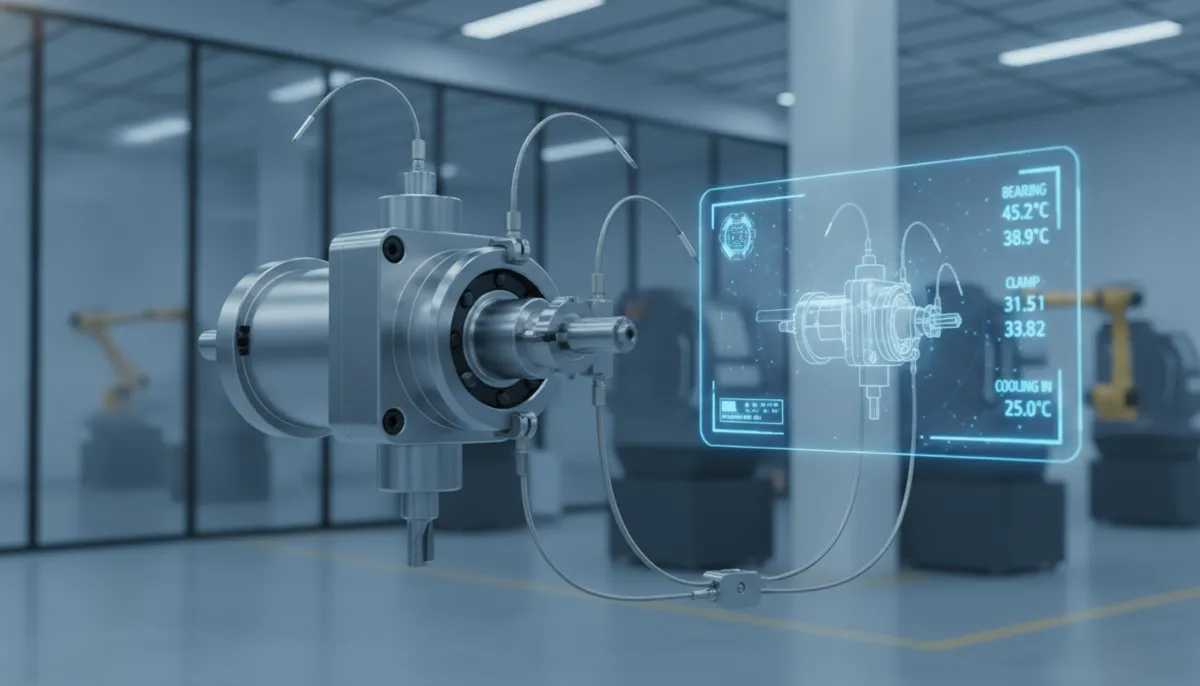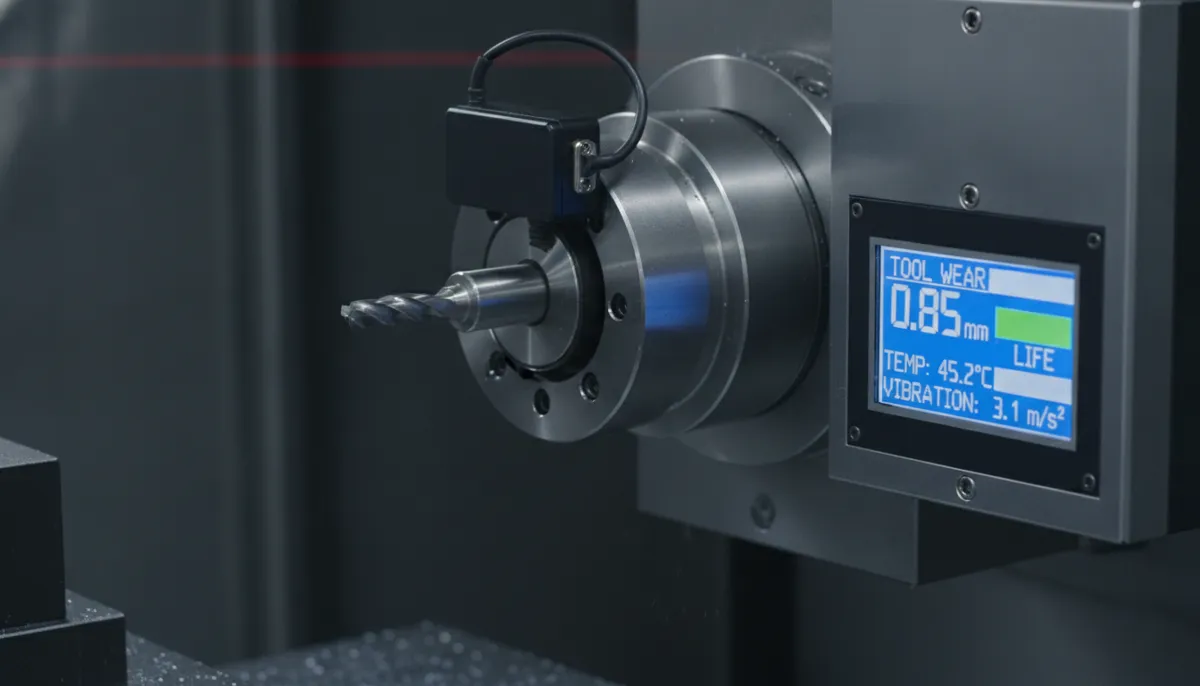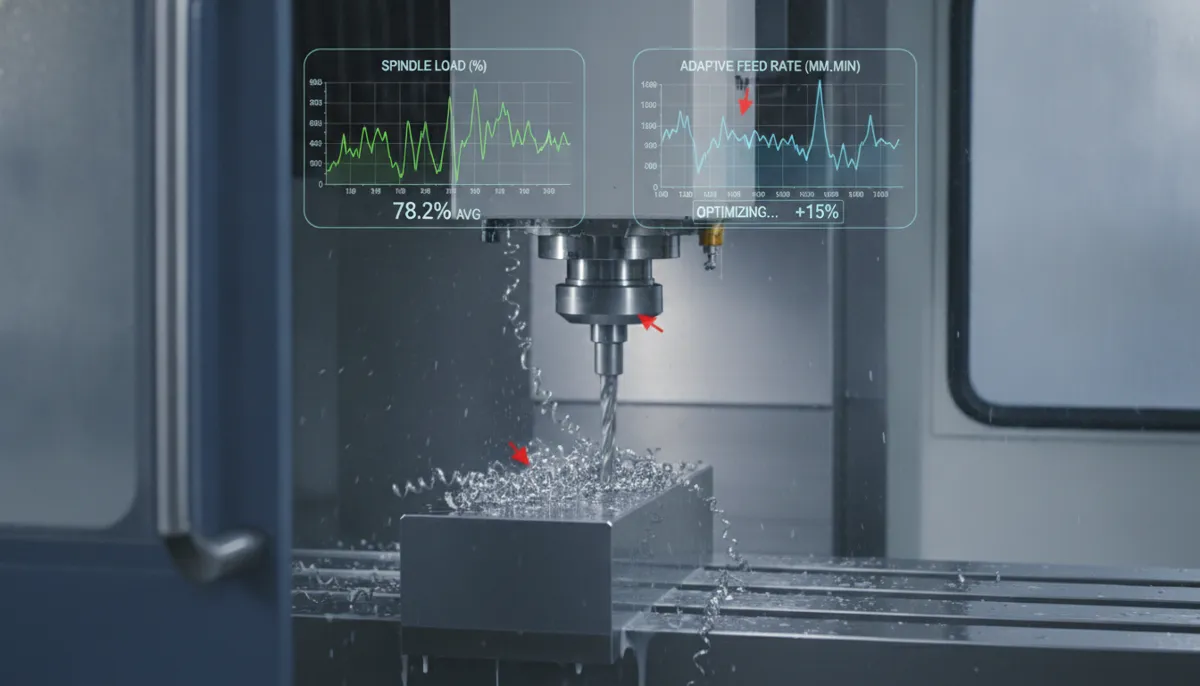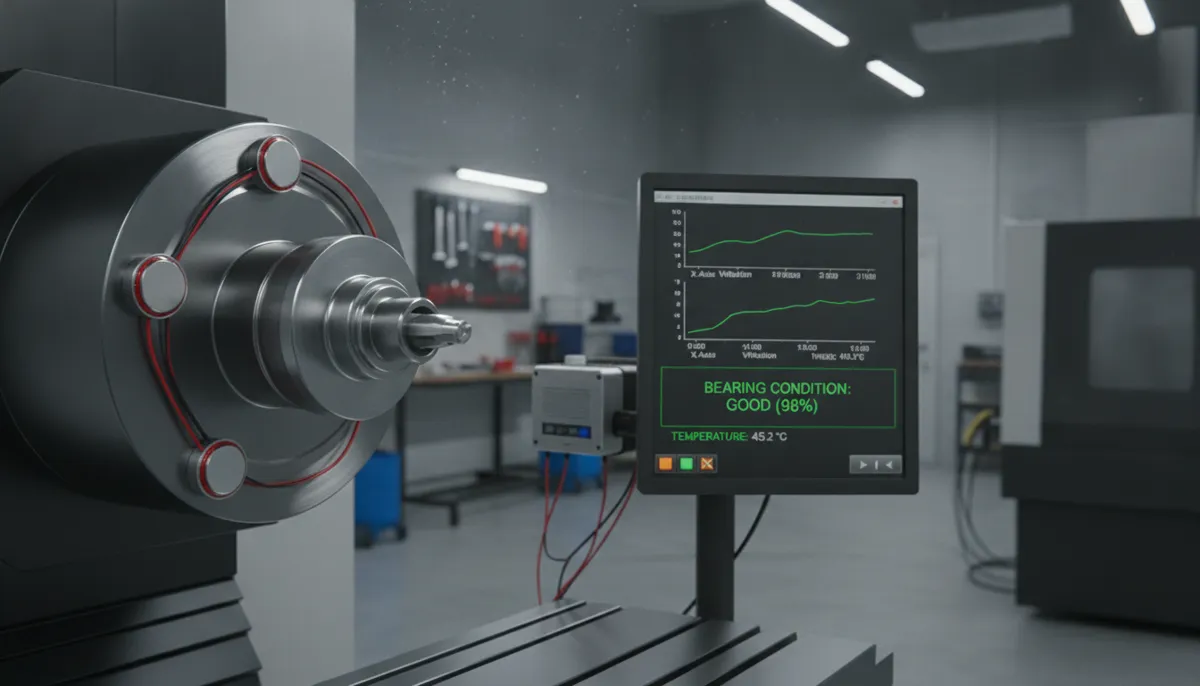
CNC Spindle Health is fundamental to machining accuracy, surface finish, and reliable production planning. For precision engineers, a spindle is not simply a rotating component: its bearing condition, temperature behavior, vibration trend, lubrication condition, and operating history can all affect part quality and unplanned maintenance risk. QFCNCMACHINE provides CNC-focused monitoring solutions designed to help production teams identify meaningful condition changes early and make better maintenance decisions.
Rather than relying only on fixed maintenance intervals or overall vibration alarms, an effective CNC Spindle Health program tracks condition data over time. This approach can help maintenance teams investigate bearing-related symptoms, plan interventions during scheduled downtime, and protect demanding machining applications—from aerospace alloys and mold steels to medical and automotive components.
1. CNC Spindle Health Monitoring and Industry Maintenance Trends
Condition-based maintenance is an established industrial practice supported by internationally recognized vibration-monitoring guidance. The ISO 13373-1 standard describes general procedures for vibration condition monitoring, while ISO 20816-1 provides general guidance for evaluating machine vibration. These standards do not guarantee a specific maintenance outcome; however, they provide a structured technical foundation for interpreting vibration data and assessing machine condition.
For manufacturers, the wider market trend is also clear: machining centers are increasingly integrated with digital production, diagnostics, and data-driven maintenance workflows. The Mordor Intelligence Machining Centers Market report identifies continued demand for advanced machining capacity and automation. As machine utilization increases, a practical CNC Spindle Health strategy becomes more important for managing maintenance risk and protecting production schedules.
2. Why Bearing Condition Matters in CNC Spindle Health
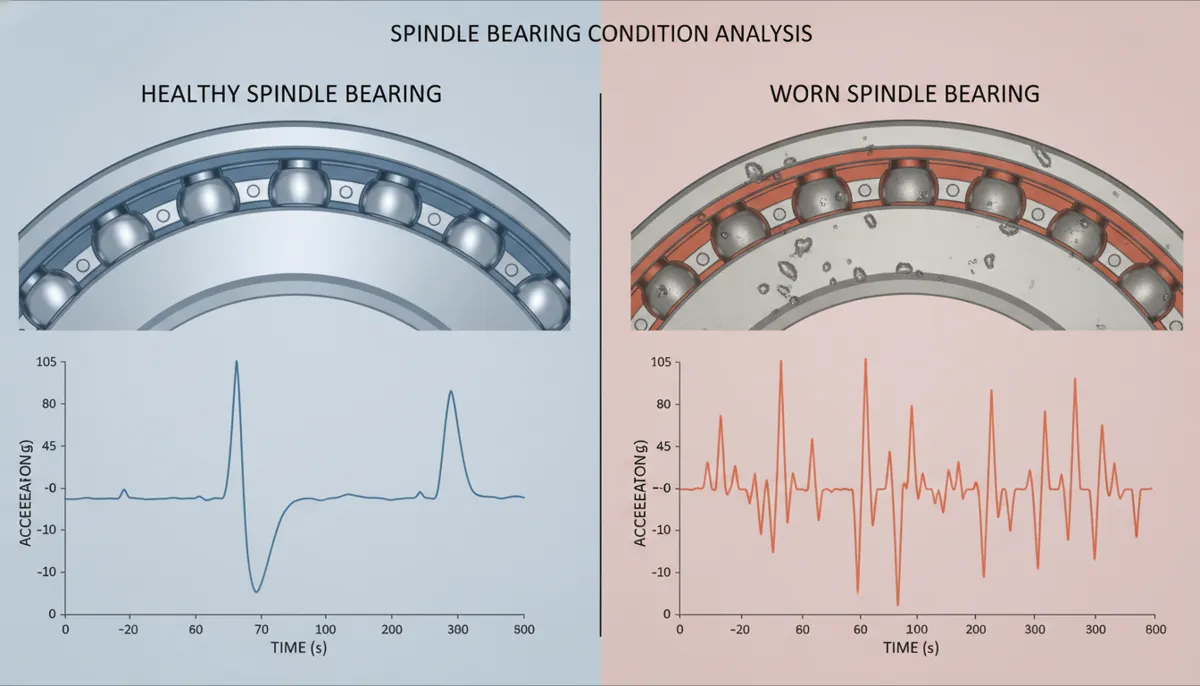
Spindle bearings operate under high rotational speed, thermal load, cutting forces, and changing lubrication conditions. Over time, issues such as contamination, inadequate lubrication, incorrect preload, fatigue, pitting, spalling, cage wear, or imbalance can contribute to abnormal vibration behavior. If these changes are not investigated, they may eventually affect surface finish, dimensional consistency, noise level, and spindle reliability.
A bearing-focused CNC Spindle Health workflow typically combines vibration measurements with trend analysis. Depending on the spindle design, sensor location, operating speed, and available control data, engineers may evaluate overall vibration, temperature, rotational speed, and characteristic bearing-frequency components. Envelope analysis can be useful for investigating repetitive high-frequency impacts associated with rolling-element bearing defects, but results must always be interpreted in the context of the machine and cutting process.
Key Signals to Monitor
- Vibration trend: Changes in vibration over time may indicate developing mechanical or process-related issues.
- Bearing-frequency patterns: Frequency analysis can support investigation of inner-race, outer-race, rolling-element, or cage-related symptoms.
- Temperature trend: A sustained increase can justify checking lubrication, preload, cooling performance, or operating conditions.
- Spindle load and speed: These operating parameters provide critical context when comparing vibration data across different machining cycles.
- Maintenance history: Lubrication, contamination events, collisions, and toolholder condition should be reviewed alongside sensor data.
3. Traditional Checks vs. CNC Spindle Health Monitoring
| Maintenance Approach | Traditional Periodic Inspection | CNC Spindle Health Monitoring |
|---|---|---|
| Maintenance Timing | Fixed calendar or operating-hour intervals | Maintenance planning informed by condition trends and alerts |
| Data Visibility | Manual checks and occasional measurements | Ongoing vibration, temperature, and operating-condition records |
| Bearing Investigation | Often performed after symptoms become obvious | Supports earlier investigation of abnormal bearing-related patterns |
| Production Planning | Maintenance may be reactive | Helps teams schedule inspections or repairs during planned downtime |
| Decision Basis | Operator experience and visible symptoms | Data trends combined with engineering and maintenance judgment |
4. Typical CNC Spindle Health Applications
Aerospace and High-Value Alloy Machining
Five-axis machining of titanium, stainless steel, and nickel-based alloys can involve long cycle times, high thermal loads, and costly workpieces. In these environments, CNC Spindle Health monitoring can support planned inspection when vibration or temperature behavior changes from an established baseline. The goal is not to replace skilled maintenance personnel, but to give them earlier and more relevant information for decision-making.
Automotive and High-Volume Production Lines
For high-volume machining of aluminum housings, engine components, shafts, or brackets, consistent spindle performance is essential for stable cycle times and quality control. Monitoring trends across multiple machines can help identify which spindle requires attention first, making maintenance planning more organized during production windows.
Medical, Electronics, and Precision Components
In precision component production, changes in spindle behavior may affect surface finish or repeatability before a major failure occurs. A well-configured CNC Spindle Health system can provide useful trend data for investigating root causes, especially when process requirements are strict and quality deviations are expensive.
5. Illustrative Customer Feedback from Global Manufacturing Markets
The following comments are illustrative customer scenarios based on common monitoring priorities in industries served by QFCNCMACHINE. They are not independently audited performance claims or identifiable public customer endorsements.
“For our aerospace machining cells, we need maintenance decisions that are based on more than calendar intervals. Seeing vibration and temperature trends together helps our engineers decide when to inspect a spindle without disrupting a scheduled production run unnecessarily.”
Representative scenario; individual results depend on machine condition, monitoring setup, and maintenance practice.“Our mold shop machines hardened steel in long unattended cycles. A spindle-condition dashboard gives our team a clearer reference point when a machine begins to sound or behave differently, so we can check the right areas before the next major job.”
Representative scenario; individual results depend on machine condition, monitoring setup, and maintenance practice.“For high-volume aluminum component production, we value a simple way to compare machine trends across shifts. It helps our maintenance and production teams discuss priorities using the same operating data.”
Representative scenario; individual results depend on machine condition, monitoring setup, and maintenance practice.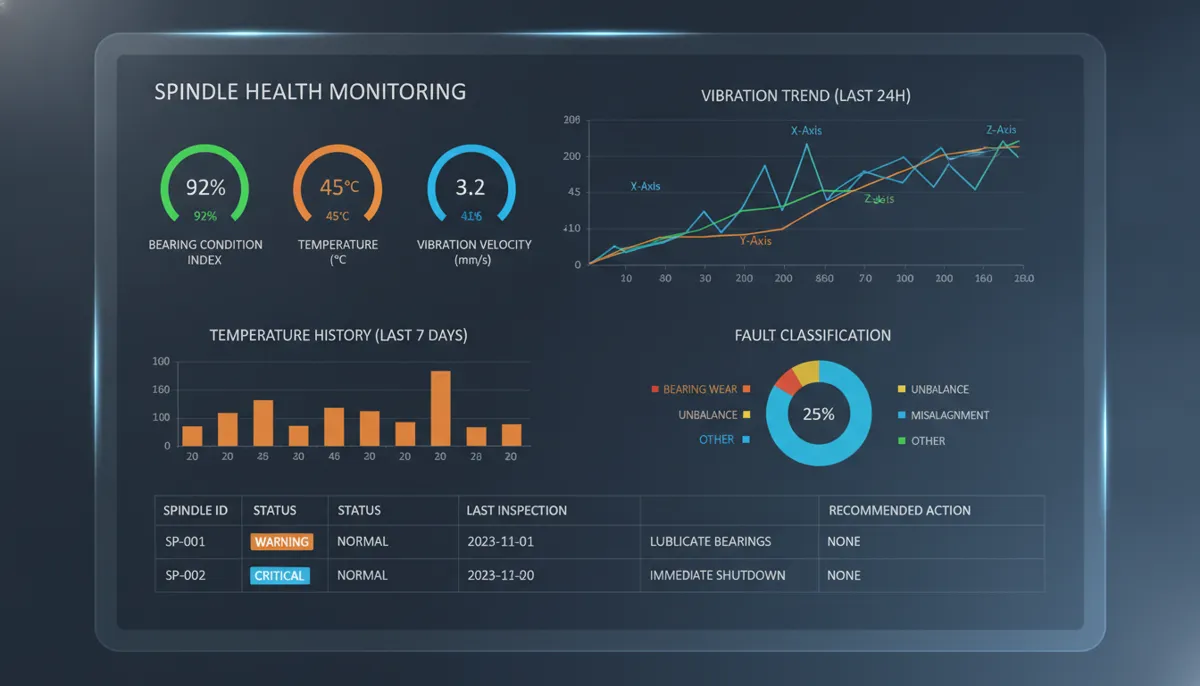
6. Benefits and Considerations of Bearing Condition Monitoring
Potential Benefits
- Supports earlier investigation of changing vibration, temperature, and bearing-condition trends.
- Helps maintenance teams plan inspections around scheduled downtime where possible.
- Creates condition history that can support root-cause analysis and maintenance records.
- Can be integrated into broader PLC, SCADA, or production-monitoring workflows where compatible.
- Helps protect machining consistency in high-value or high-utilization applications.
Important Considerations
- Sensor selection and installation must suit the spindle design and machine environment.
- Reliable interpretation requires baseline data, operating context, and trained engineering judgment.
- Monitoring does not repair a damaged bearing or eliminate the need for physical inspection.
- Very advanced bearing damage may require immediate shutdown and professional spindle service.
- Actual outcomes vary with cutting conditions, lubrication, contamination control, and maintenance quality.
7. CNC Spindle Health Monitoring FAQ
What is CNC Spindle Health monitoring?
CNC Spindle Health monitoring is a condition-monitoring approach that uses data such as vibration, temperature, speed, and operating load to help engineers assess spindle behavior over time. It can support maintenance planning by identifying trends that may justify further inspection, especially around spindle bearings and lubrication-related conditions.
How is bearing-condition monitoring different from standard vibration monitoring?
Standard vibration monitoring may focus mainly on overall vibration levels. Bearing-condition monitoring can add frequency-based analysis, including envelope analysis where appropriate, to investigate repetitive impact patterns associated with bearing components. Both approaches require suitable sensor placement, reliable baseline measurements, and professional interpretation.
Can CNC Spindle Health monitoring work with existing CNC machines?
Compatibility depends on the machine model, spindle configuration, available interface signals, installation space, and monitoring requirements. QFCNCMACHINE can help assess whether a proposed solution is suitable for your CNC equipment before implementation. Please contact our team with your controller type, machine model, spindle speed range, and application details.
Can one dashboard monitor multiple spindles?
Multi-machine monitoring may be possible depending on the selected hardware, communication architecture, and software configuration. A centralized dashboard can help maintenance teams compare trend data across machines, but the final system design should be matched to your facility’s network, production workflow, and data-security requirements.
How quickly will CNC Spindle Health monitoring deliver ROI?
ROI varies substantially by spindle replacement cost, production utilization, downtime cost, maintenance practices, and the condition of existing equipment. For this reason, we recommend evaluating ROI using your actual machine data and maintenance history rather than relying on a generic payback estimate.
What warranty and refund policy does QFCNCMACHINE provide?
Applicable QFCNCMACHINE products are supplied with a 2-year warranty. We do not provide no-reason returns for products without quality issues. If a verified product quality issue occurs, we will support an appropriate refund or replacement process in accordance with the order terms and technical assessment.
Assess Your CNC Spindle Health Strategy
Tell us about your machine model, spindle speed, material, production schedule, and current maintenance challenges. Our team can help you evaluate a suitable monitoring approach for your application.
References
- Mordor Intelligence. Machining Centers Market Size, Share & Growth Trends Report, 2024.
- International Organization for Standardization (ISO). ISO 13373-1:2016 — Condition Monitoring and Diagnostics of Machines: Vibration Condition Monitoring.
- International Organization for Standardization (ISO). ISO 20816-1:2016 — Mechanical Vibration: Measurement and Evaluation of Machine Vibration.
- U.S. Department of Energy, Federal Energy Management Program. Operations and Maintenance Best Practices Guide: Achieving Operational Efficiency.
- NASA Technical Reports Server. Reliability-Centered Maintenance Guide for Facilities and Collateral Equipment.