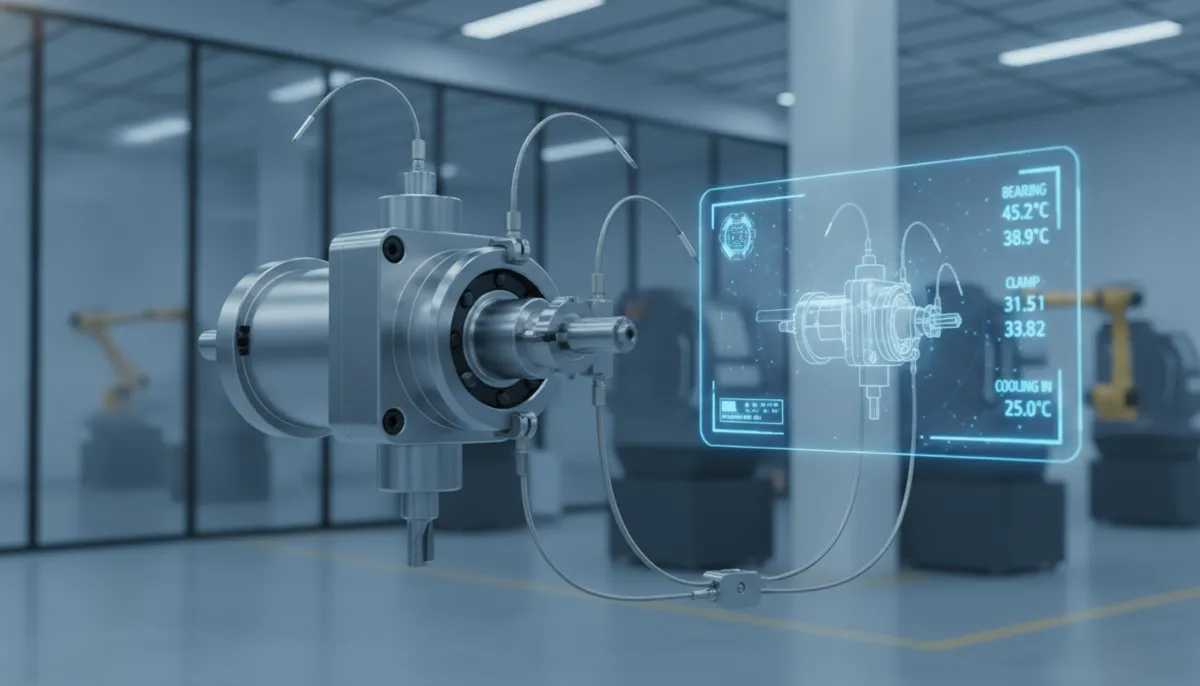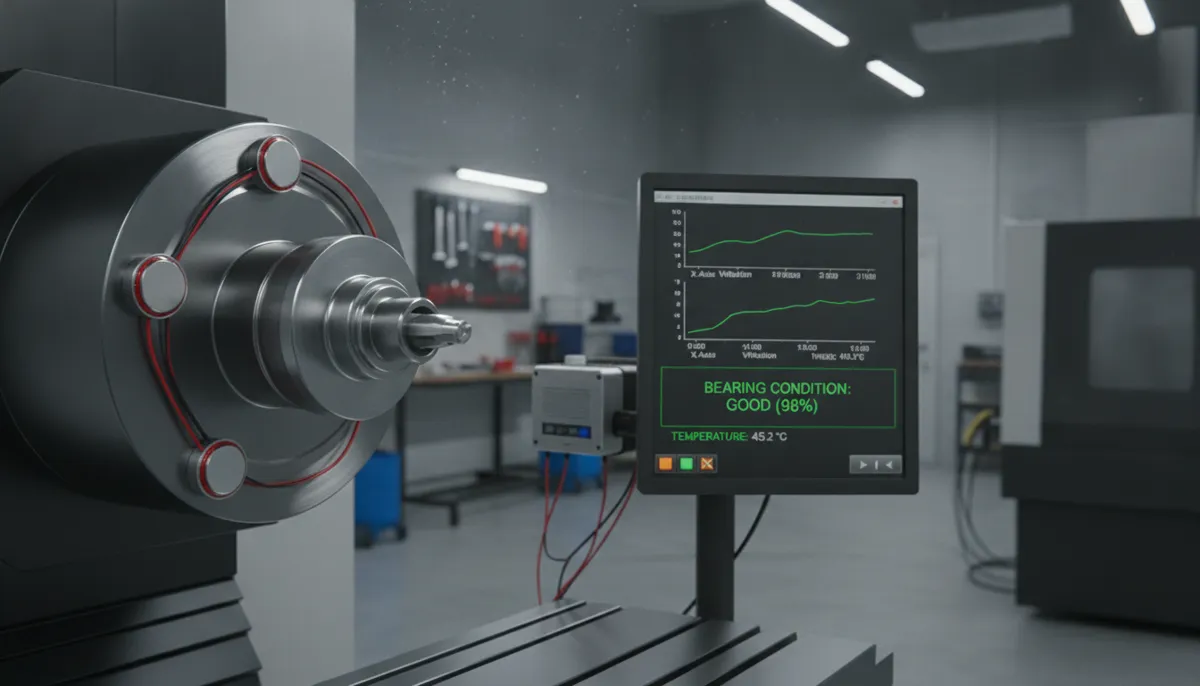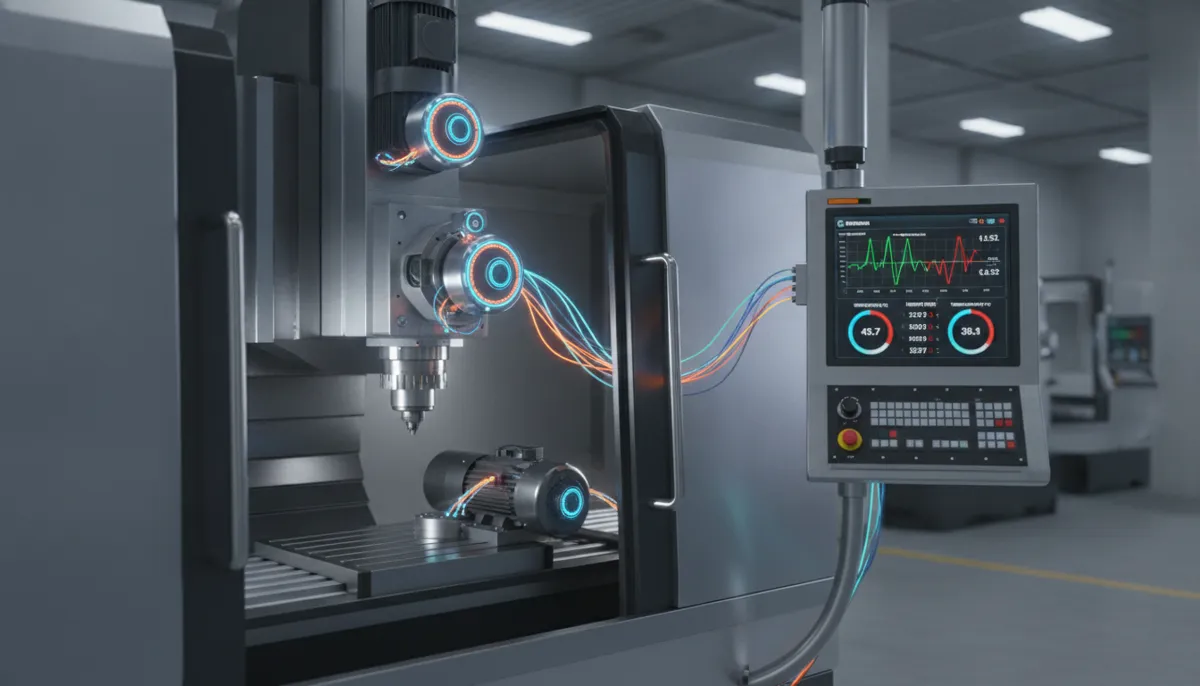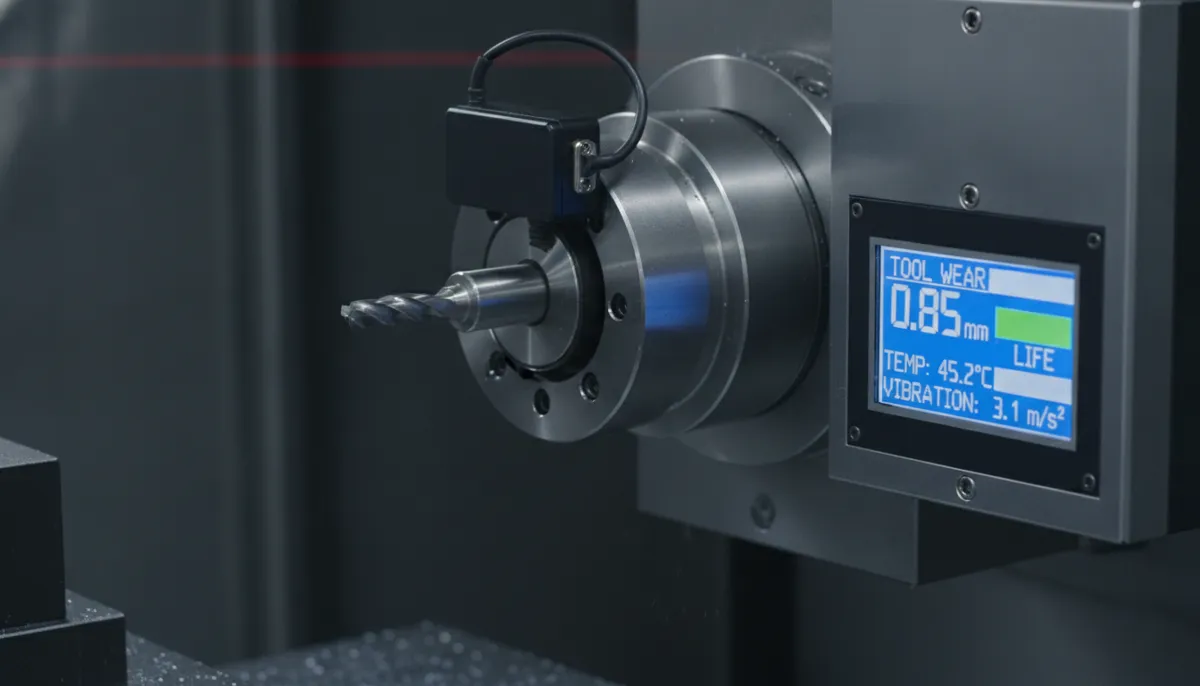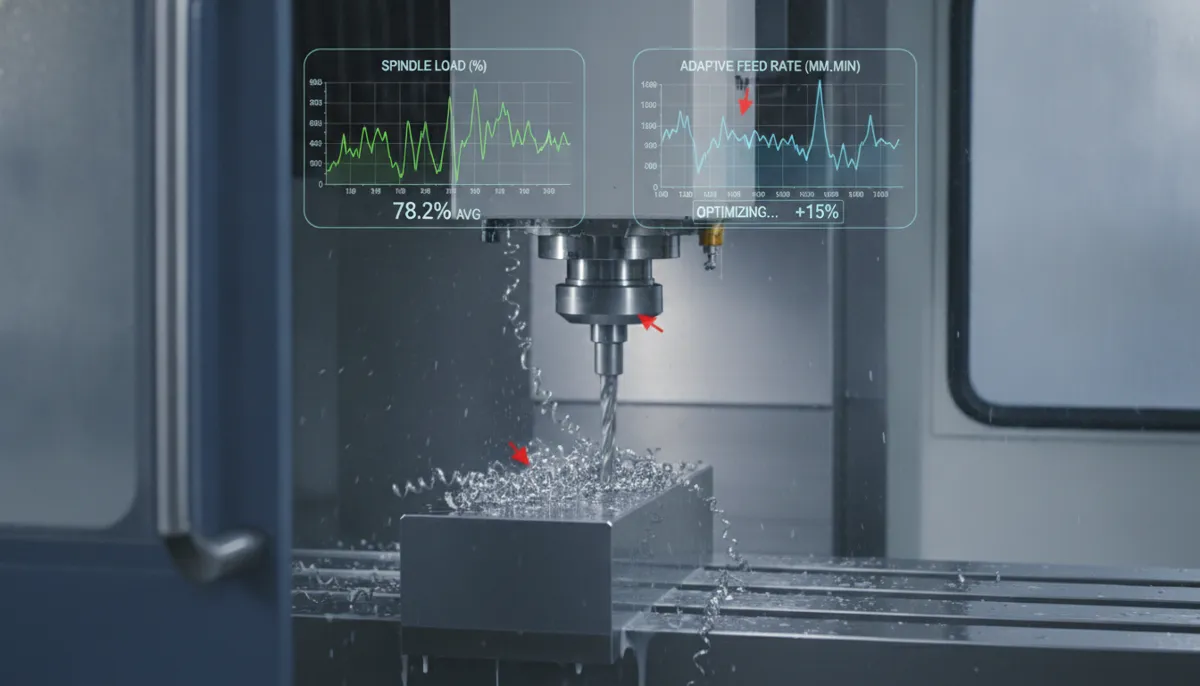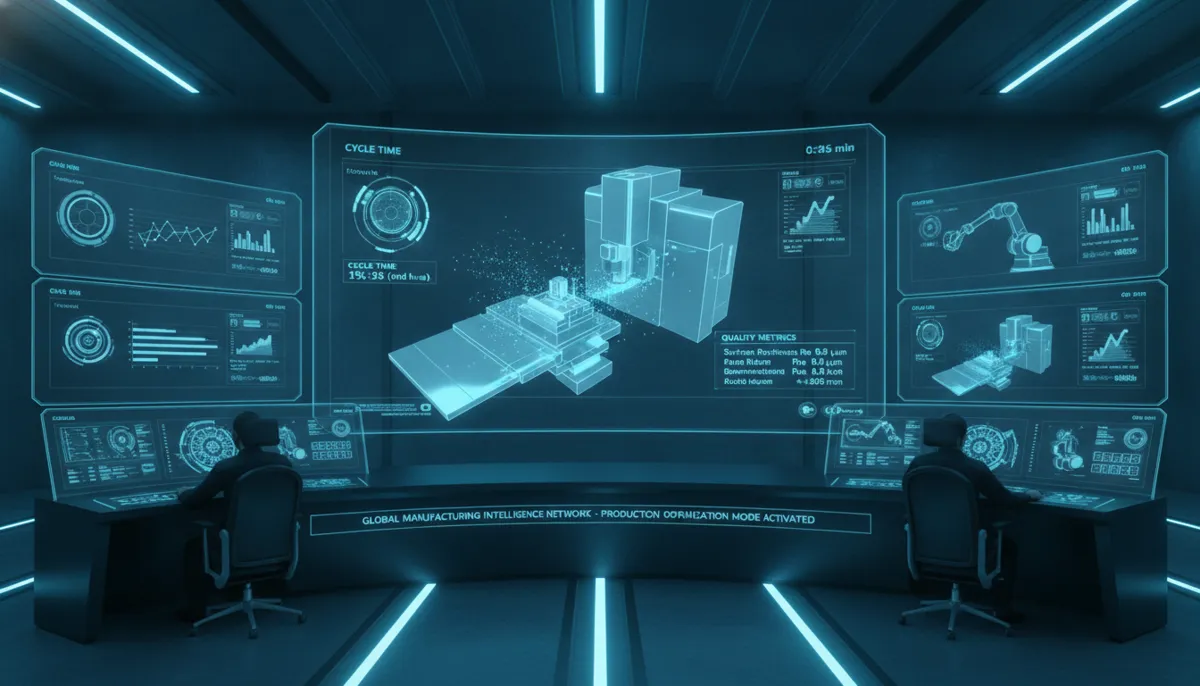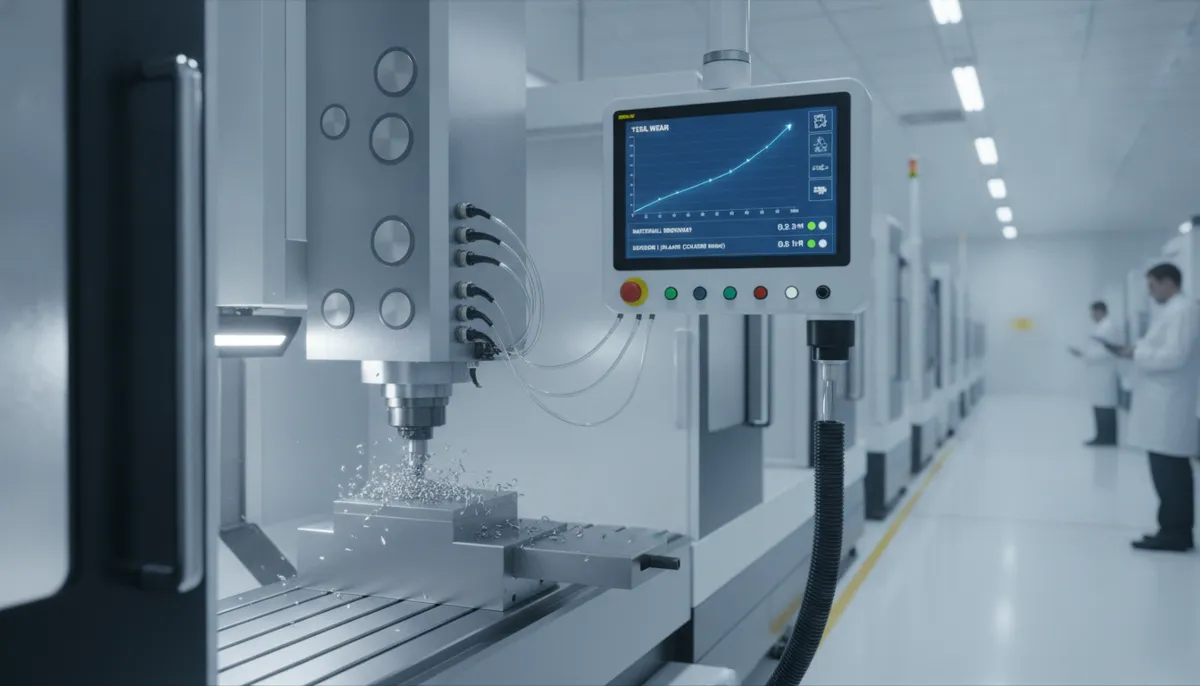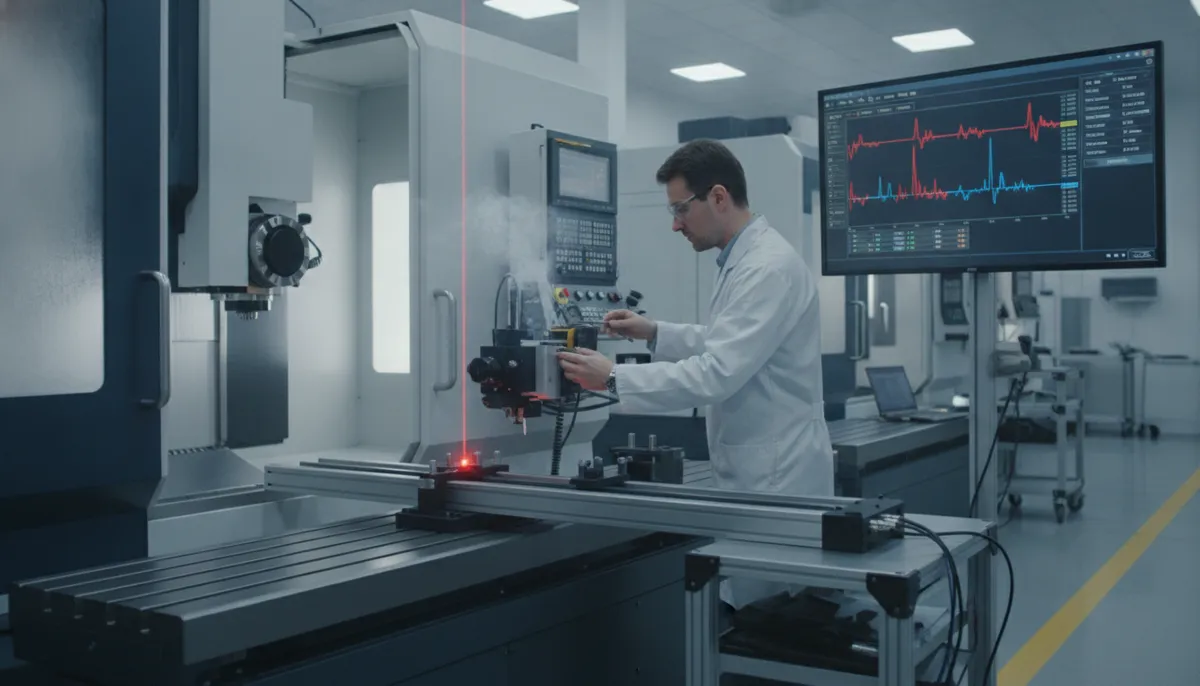
For precision engineers, achieving micron-level accuracy is non-negotiable. A rigorous CNC laser calibration process during the manufacturing of a machine tool is the gold standard for verifying and guaranteeing its geometric perfection. At QiaoFeng, established in 2010 and operating from our advanced facility in Dalingshan Town, Dongguan City, we don’t just build heavy-duty CNC machines; we prove their accuracy. Every machining center we produce undergoes exhaustive linear and angular laser calibration before shipment, ensuring our 750+ global clients receive equipment that operates at peak precision from day one.
Industry Data: Why Factory Calibration Matters
Research indicates that a significant percentage of machining errors originate from geometric inaccuracies inherent in the machine tool itself. According to the 2024 report by Mordor Intelligence, the demand for ultra-precision machining centers is driving manufacturers to adopt stricter quality control measures. Furthermore, academic studies published in MDPI Applied Sciences highlight that compensating for volumetric and geometric errors before a machine leaves the factory is critical for modern 5-axis machining. Renishaw’s metrology data also confirms that laser interferometry is the only reliable method to capture and correct sub-micron positioning errors, pitch, and yaw.
The Role of CNC Laser Calibration in QiaoFeng Machines
Standard dial indicators are no longer sufficient for modern aerospace or medical manufacturing. That is why QiaoFeng utilizes advanced Renishaw XL-80 laser interferometer systems to perform comprehensive CNC laser calibration on every single axis of our machines.
- Linear Accuracy Verification: We measure positioning accuracy, repeatability, and reversal error along the X, Y, and Z axes, achieving tolerances as tight as ±0.5 µm/m.
- Angular Error Compensation: Our factory calibration detects microscopic pitch, yaw, and roll errors. We then input precise compensation values directly into the CNC controller (Fanuc, Siemens, or Mitsubishi).
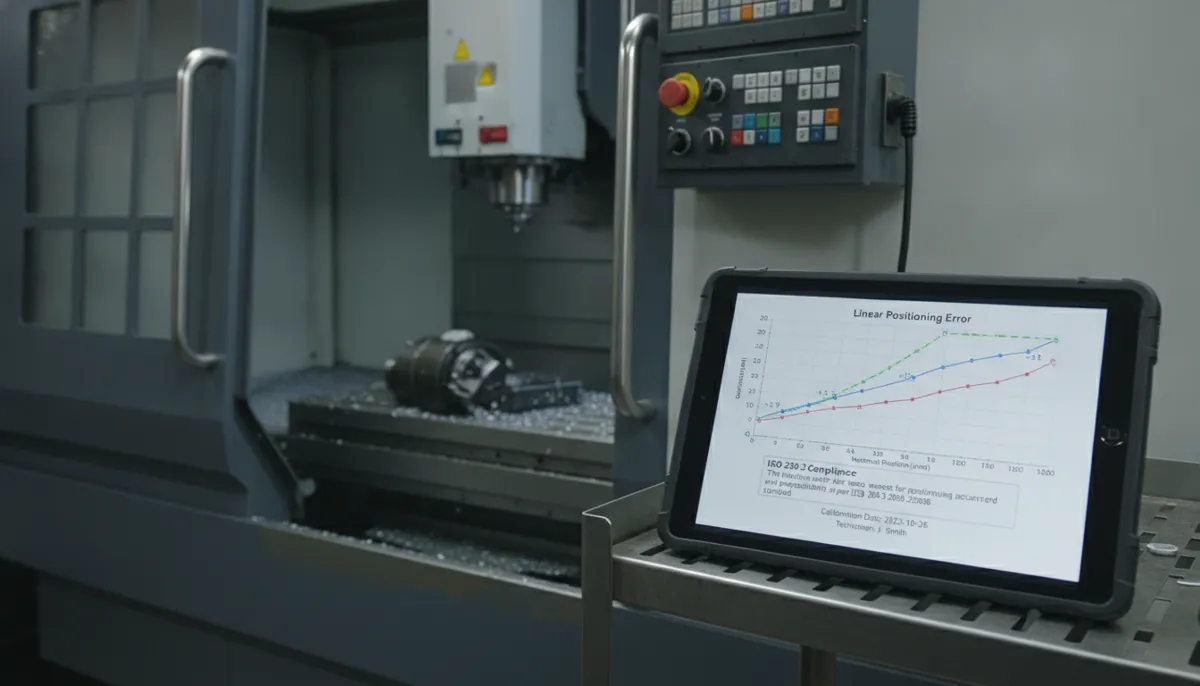
- ISO 230-2 Compliance: Every machine comes with a traceable calibration report, proving it meets strict international geometric standards before it arrives at your facility.
Standard Assembly vs. Pre-Calibrated Precision
| Feature | Standard CNC Manufacturers | QiaoFeng (Full CNC Laser Calibration) |
|---|---|---|
| Geometric Verification | Basic mechanical dial indicators | Renishaw Laser Interferometer |
| Pitch & Yaw Errors | Often unmeasured and uncompensated | Measured and compensated in the controller |
| Out-of-the-Box Accuracy | May require on-site 3rd party calibration | Ready for micron-level precision immediately |
| Traceable Reports | Basic run-off sheet | Comprehensive ISO 230-2 compliant graphs |
Global Success: Trusted by 750+ Manufacturers
By eliminating geometric errors at the factory level, QiaoFeng empowers manufacturers across the Americas, Europe, and Southeast Asia to tackle the most demanding precision tasks:
“We machine complex turbine blades where even a 0.02° angular deviation results in scrap. Because QiaoFeng performs rigorous CNC laser calibration before shipping, our new 5-axis mill arrived with perfect pitch and yaw compensation. Our rejection rate dropped to near zero on the first day.”
“The linear positioning accuracy on our QiaoFeng VMC is incredible. We verified it during our own factory acceptance test, and the laser calibration report they provided matched our findings perfectly. It’s the most reliable machine in our automotive parts line.”
“For high-density electronics molds, we need sub-micron repeatability. Buying a machine that already underwent full laser calibration at the QiaoFeng factory saved us the cost and downtime of hiring a third-party metrology service.”
Pros of Pre-Calibrated Machines
- Immediate production readiness with zero hidden errors
- Eliminates the cost of hiring 3rd party calibration services
- Guaranteed compliance with aerospace/medical tolerances
Risks of Uncalibrated Machines
- High scrap rates due to undetected pitch/yaw errors
- Tapered walls and poor surface finishes
- Inability to pass strict client quality audits
Frequently Asked Questions
What is CNC laser calibration?
CNC laser calibration is the process of using a highly precise laser interferometer to measure a machine tool’s linear positioning, straightness, and angular errors (pitch/yaw). The data is then used to program compensation values into the machine’s controller, correcting microscopic mechanical imperfections.
Does QiaoFeng calibrate every machine before shipping?
Yes. Every CNC machining center manufactured at our Dongguan facility undergoes strict laser calibration following ISO 230-2 standards. We do not ship a machine until its geometric accuracy is verified and compensated.
Do I need to recalibrate the machine when it arrives?
While our factory calibration ensures the machine is geometrically perfect, it is standard industry practice to perform a quick verification after heavy transportation and installation to ensure the machine bed is perfectly leveled on your shop floor.
Invest in Out-of-the-Box Precision
Don’t let hidden geometric errors eat your profits. Choose QiaoFeng for high-end CNC machines that are factory-calibrated for ultimate accuracy.
References
- Mordor Intelligence. (2024). Machining Centers Market Size, Share & Growth Trends Report.
- MDPI Applied Sciences. (2023). Special Issue: Machine Tool Accuracy and Error Compensation.
- Renishaw. (2024). Machine Calibration and Optimisation Solutions.