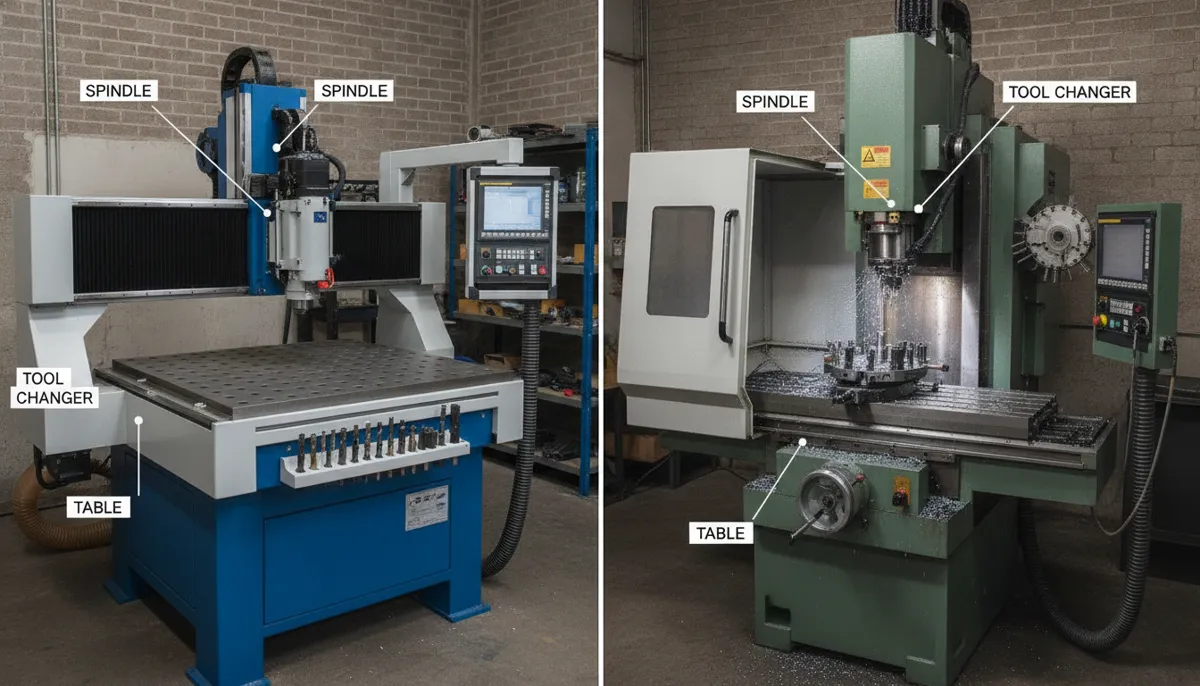
When equipping your small factory, the choice between a CNC router vs CNC mill can be overwhelming. Both are essential tools in modern manufacturing — but they serve fundamentally different purposes. At QiaoFeng CNC Machine, founded in 2010 and based in Dalingshan Town, Dongguan, Guangdong, we’ve helped over 750+ small factories across Europe, North America, and Southeast Asia make the right choice. This guide breaks down the CNC router vs CNC mill difference clearly, so you can invest wisely from day one.
According to Grand View Research’s CNC Router Machine Market Size & Forecast Report (2024), the global CNC router market was valued at USD 714 million in 2024 and is projected to grow at a CAGR of 6.6% through 2030 — driven largely by small and medium manufacturers in woodworking, signage, and light-metal fabrication. Meanwhile, according to Mordor Intelligence’s Machining Centers Market Report (2024), the CNC milling segment continues to dominate precision metal component production, particularly in automotive, aerospace, and mold-making sectors. Understanding which category your factory falls into is the first step to a smart purchase.
QiaoFeng has been producing CE-certified CNC machines for over 15 years, exporting to 750+ customers worldwide. Every machine ships with a 2-year warranty, full English documentation, and dedicated after-sales support. Confirmed quality issues upon delivery are eligible for return or replacement; returns without verified quality defects are not accepted.
1. CNC Router vs CNC Mill: Core Differences in Design and Application
The primary CNC router vs CNC mill distinction lies in construction, rigidity, and intended materials. CNC routers are typically gantry-style machines with a moving spindle over a fixed table — ideal for softer materials like wood, plastics, foam, and aluminum sheet. CNC mills use a more rigid C-frame or column structure with a fixed spindle and moving table, engineered for hard metals like steel, titanium, and hardened alloys.
The router’s high-speed spindle (up to 30,000 RPM) allows fast material removal at low torque, while the mill’s slower spindle (up to 10,000 RPM) delivers the high torque needed for heavy metal cuts. Neither machine is universally superior — the right choice depends entirely on your materials and production requirements.
| Feature | CNC Router | CNC Mill |
|---|---|---|
| Primary Materials | Wood, Plastics, Aluminum (<10mm) | Steel, Titanium, Hard Alloys |
| Spindle Speed | 18,000 – 30,000 RPM | 3,000 – 10,000 RPM |
| Positioning Accuracy | ±0.02 mm | ±0.005 mm |
| Frame Structure | Gantry / Aluminum Extrusion / Steel | C-Frame / Cast Iron Column |
| Typical Work Area | Up to 4×8 ft (1220×2440 mm) | Typically 500×500 mm |
| Entry-Level Price | $3,000 – $8,000 | $10,000 – $20,000+ |
| Best For | Furniture, Signage, Electronics Enclosures | Auto Parts, Molds, Aerospace Components |
| Operator Skill Level | Beginner to Intermediate | Intermediate to Advanced |
2. When to Use a CNC Router vs CNC Mill: Real-World Case Study
Consider a small factory in Southeast Asia producing custom aluminum enclosures for consumer electronics. They initially purchased a CNC mill, assuming metal work always required one. However, the mill proved to be overkill for thin aluminum sheet (under 6mm) and significantly slowed production due to its lower feed rates and smaller work envelope.
After consulting QiaoFeng’s team and switching to a 3kW spindle CNC router with a vacuum table, the factory increased throughput by 40% and reduced tool wear by 30%. The router’s ability to handle full-sheet aluminum stock efficiently was a production game-changer. This is a textbook example of the CNC router vs CNC mill decision: for non-ferrous metals under 10mm thick, a router is often more cost-effective and productive.
“We were hesitant about switching from a traditional CNC mill to a router for our aluminum panel fabrication. After QiaoFeng’s team walked us through the specs and provided a sample cut, we placed the order immediately. Throughput improved by over 35% in the first month — we couldn’t be happier with the decision.”
“Our furniture workshop in Ho Chi Minh City needed a machine that could handle MDF panels, solid hardwood, and thin aluminum trims — all in one workflow. QiaoFeng’s 1325 CNC router has been running daily for nearly two years without a single major breakdown. Bella’s after-sales team responds within hours. Highly recommended.”
“We distribute CNC equipment to small manufacturers across the UK and needed a Chinese supplier with genuine CE certification and reliable export documentation. QiaoFeng delivered on schedule, every document was in order, and the machines performed exactly to spec. We’ve placed four repeat orders since 2022 and have zero complaints from our end clients.”
3. Key Features to Evaluate When Choosing Between a CNC Router vs CNC Mill
- Spindle Power and Speed: CNC routers offer high RPM (18,000–30,000) for smooth, fast cuts on plastics, wood, and aluminum. CNC mills provide high torque at lower RPM (3,000–10,000) for heavy metal removal. For most small factories working with non-metals, a router with a 2.2kW–3kW water-cooled spindle covers the full range of daily production needs.
- Frame Rigidity and Accuracy: CNC mills use cast iron frames and precision linear guides, achieving positioning accuracy of ±0.005mm. CNC routers — especially steel-frame models — reach ±0.02mm, which is more than adequate for woodworking, signage, and light-metal fabrication. If your parts require tolerances under ±0.01mm, a mill is the correct choice.
- Work Envelope: Routers are available in large formats (up to 4×8 ft / 1220×2440mm) ideal for full-sheet processing. Mills typically offer a 500×500mm table suited for smaller, denser metal parts. Always match the machine’s work area to your most common part size before purchasing.
- Tooling Compatibility: CNC routers use collet-based tool holders for router bits (¼” or ½” shank), which are widely available and cost-effective for wood and plastic. CNC mills use precision tool holders (BT30/BT40) for end mills and drills engineered specifically for metal cutting — higher cost, but essential for ferrous metal performance.
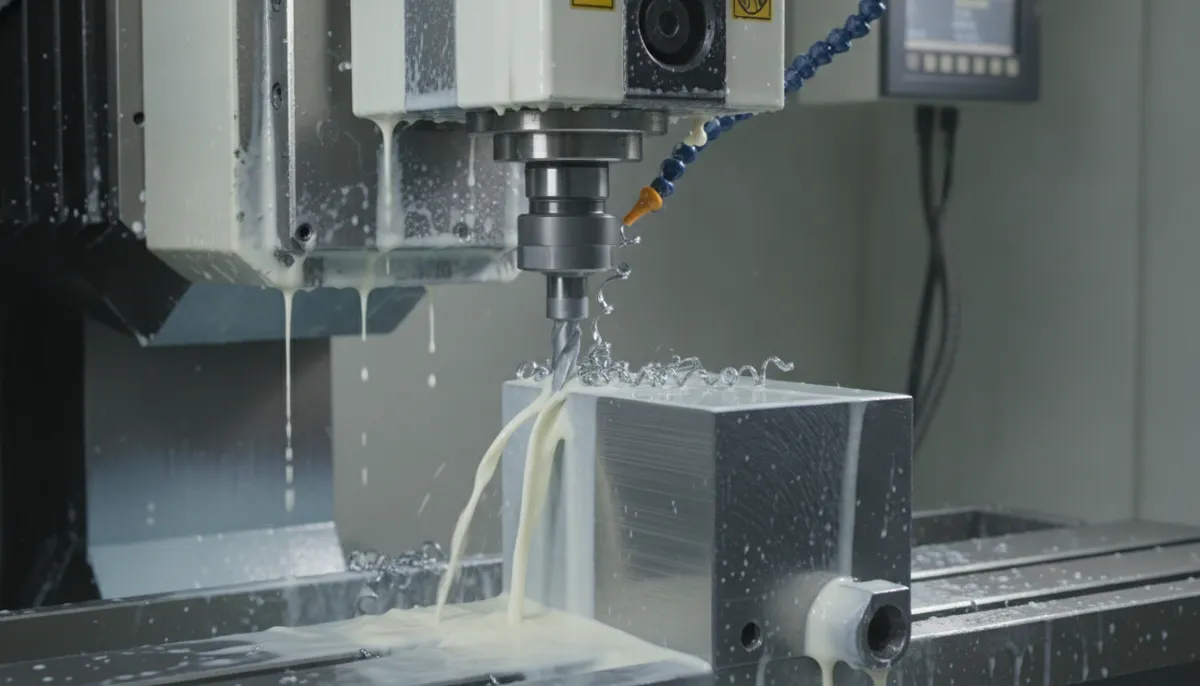
- Dust and Coolant Management: Routers cutting wood and MDF require a dust collection system. Mills cutting metal require coolant (flood or mist) to manage heat and extend tool life. Factor both into your total setup cost and workshop layout planning.

4. CNC Router vs CNC Mill: Pros and Cons for Small Factories
CNC Router — Pros & Cons
✅ Pros
- Faster material removal on wood, plastic, aluminum
- Large work area — handles full sheet stock
- Lower entry cost ($3,000–$8,000)
- Easier to learn and operate
- Lower noise level — suitable for smaller workshops
- Versatile: wood, foam, acrylic, PCB, soft metals
- Lower maintenance cost and simpler tooling
❌ Cons
- Lower accuracy for tight-tolerance metal parts
- Not suitable for ferrous metals (steel, iron)
- Requires dust collection system for wood/MDF
- Less rigid under heavy lateral cutting forces
- Limited Z-axis depth for thick solid materials
CNC Mill — Pros & Cons
✅ Pros
- High precision — down to ±0.005mm
- Cuts hardened steel, stainless, titanium
- Superior surface finish on metal parts
- Longer tool life in metal applications
- Higher rigidity under heavy cutting loads
- Better suited for 3D contouring of metal
❌ Cons
- Slower feed rates — lower throughput on soft materials
- Smaller work envelope limits part size
- Higher upfront cost ($10,000+)
- Steeper learning curve for operators
- Heavier machine — harder to relocate
- Coolant system adds setup complexity and cost
5. CNC Router vs CNC Mill — Frequently Asked Questions
Can a CNC router cut steel?
Generally, no. Standard CNC routers lack the frame rigidity and spindle torque required to cut steel reliably. Attempting to do so risks spindle damage, poor surface finish, and accelerated tool wear. For all ferrous metals, a CNC mill is the correct tool. Only heavy-duty industrial routers with spindles above 4.5kW might handle very thin mild steel sheet (under 1mm) in limited scenarios — but this is not recommended as a standard practice.
Which is better for a small factory: CNC router or CNC mill?
It depends entirely on your product mix. If you produce custom furniture, decorative panels, signage, or plastic enclosures, a CNC router is more cost-effective and flexible. If you manufacture precision metal components for automotive, machinery, or mold applications, a CNC mill is essential. A practical strategy for new buyers: start with a router for high-volume, lower-complexity work, and outsource precision metal cutting until order volume justifies a mill investment.
How much does a CNC router vs CNC mill cost for a small factory?
Entry-level CNC routers for small factories start around $3,000–$8,000 (e.g., QiaoFeng 6090 or 1325 series). CNC mills start higher — around $10,000–$20,000 for a benchtop model, with industrial-grade systems exceeding $50,000. Always calculate total cost of ownership: tooling, dust collection or coolant systems, operator training, software licenses, and ongoing maintenance.
Can I convert a CNC router into a CNC mill?
It is not practical or cost-effective. The fundamental engineering differences — gantry vs column structure, spindle bearing load ratings, frame mass, and overall rigidity — make conversion prohibitively expensive and technically compromised. Some manufacturers market “multi-purpose” hybrid machines, but these typically underperform in both roles. Select the correct machine for your primary application from the start.
Does QiaoFeng supply both CNC routers and CNC mills?
Yes. QiaoFeng manufactures and exports both CNC routers and CNC milling machines from our factory in Dalingshan Town, Dongguan, Guangdong. All machines are CE-certified, come with a 2-year warranty, and include full English technical documentation. Contact our team to discuss your production requirements and receive a tailored recommendation.
Not Sure Whether You Need a CNC Router or CNC Mill?
Get a free, no-obligation consultation from QiaoFeng’s engineering team. Tell us your materials, part sizes, and production volume — we’ll recommend the right machine based on 15 years of experience and 750+ factories served worldwide.
References
- Mordor Intelligence, Machining Centers Market Size, Share & Growth Trends Report, 2024. Available at: mordorintelligence.com
- Grand View Research, CNC Router Machine Market Size, Share & Trends Analysis Report, 2030, 2024. Available at: grandviewresearch.com
- Fortune Business Insights, CNC Machine Tools Market Size, Share & Industry Analysis, 2034, 2024. Available at: fortunebusinessinsights.com
- Gardner Intelligence, World Machine Tool Survey 2023, 2023. Available at: gardnerintelligence.com