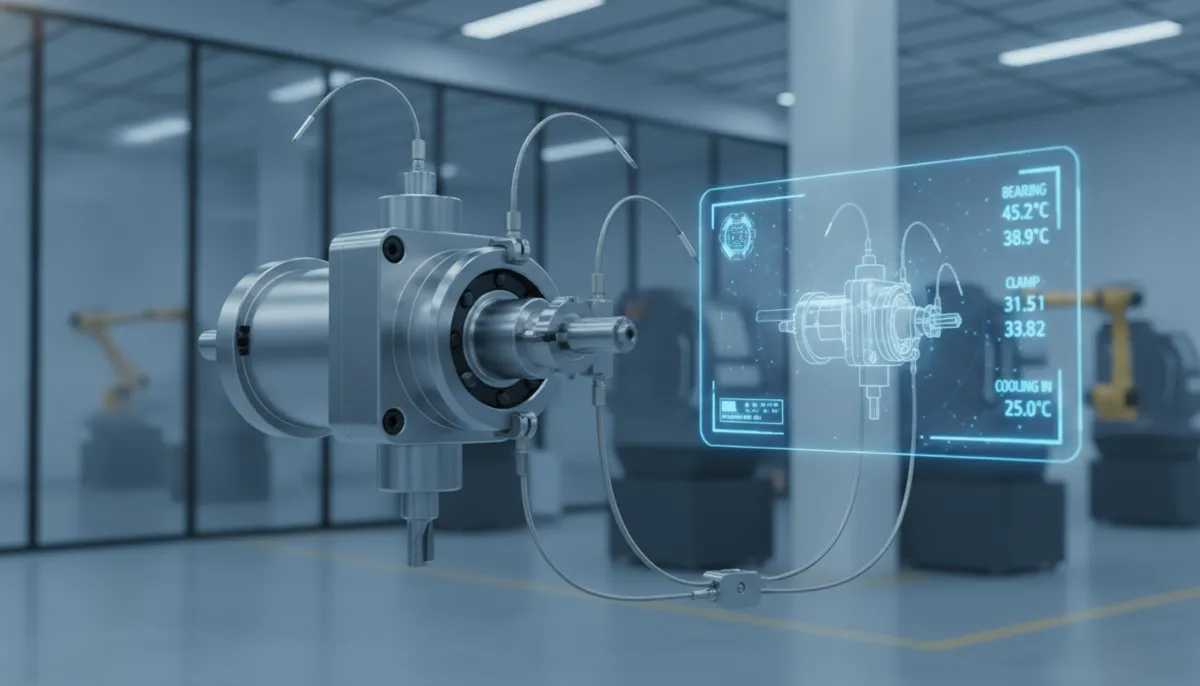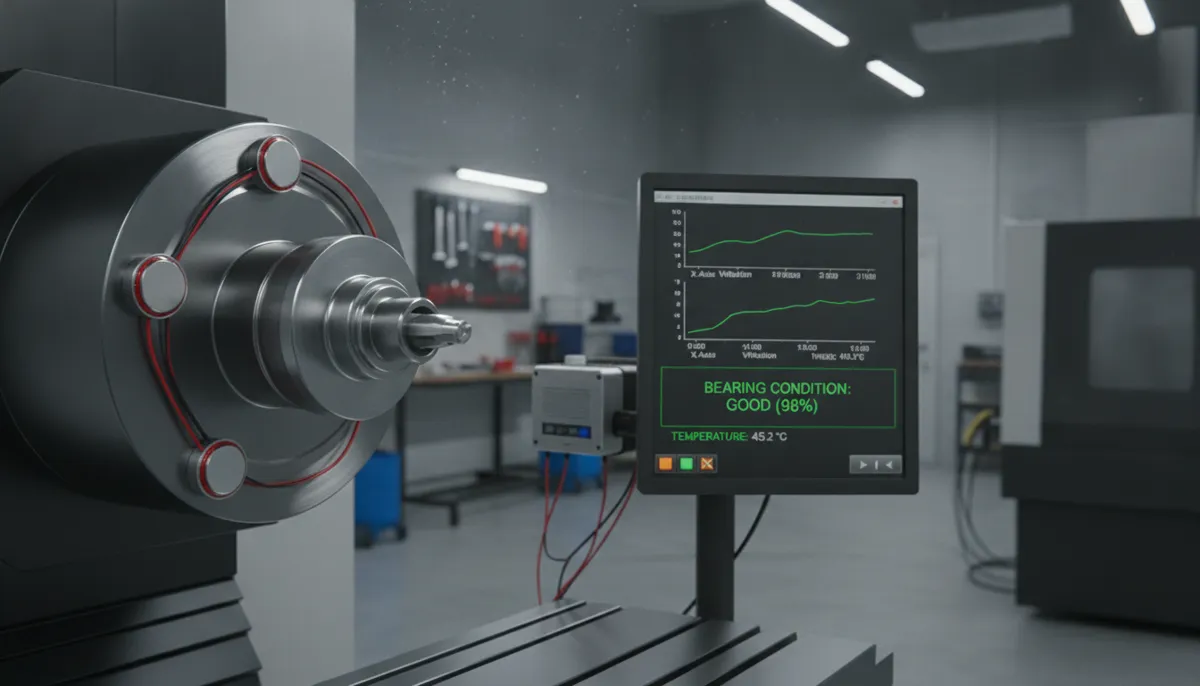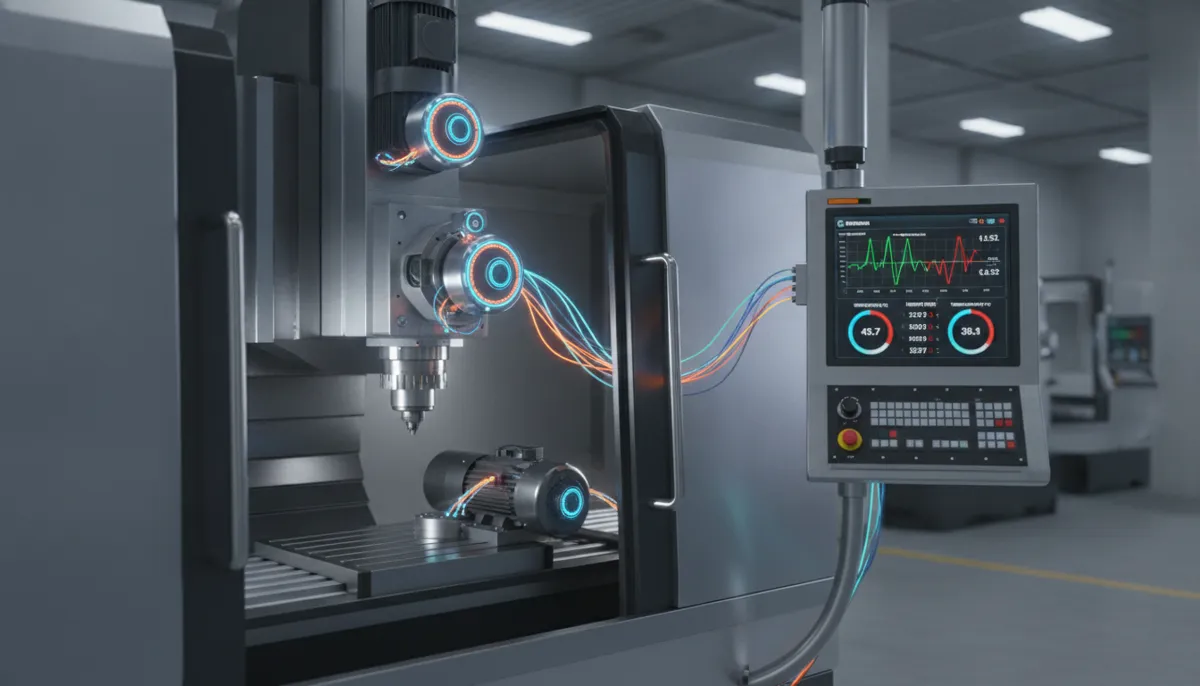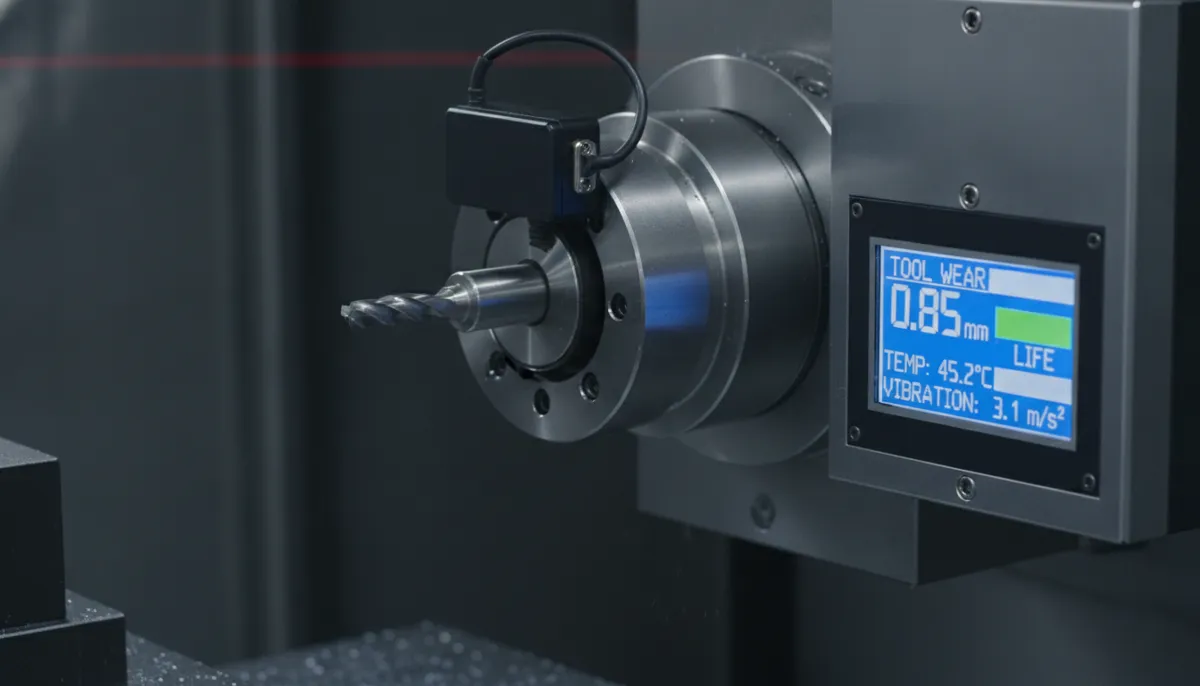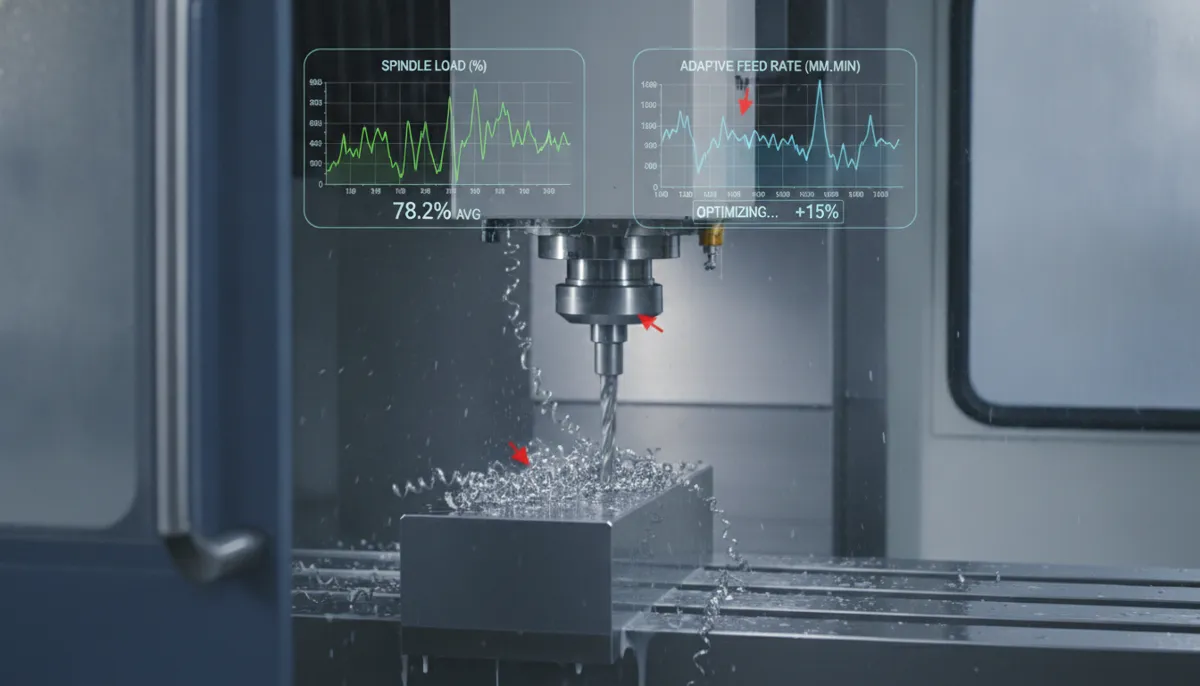
As a maintenance engineer, understanding the fundamental differences between a direct drive CNC system and a belt drive system is critical to optimizing machine performance, reducing unplanned downtime, and controlling tooling costs. A direct drive CNC spindle connects the motor shaft directly to the spindle — eliminating belts, pulleys, and the mechanical losses they introduce. Belt drive systems transfer power through a pulley-and-belt arrangement that adds flexibility but also introduces backlash, vibration, and a recurring maintenance burden. At QiaoFeng, founded in 2010 in Dongguan, Guangdong, our team has spent 15 years engineering and supporting CNC drive systems for 750+ customers across North America, Europe, and Southeast Asia. This guide delivers the technical comparison, real performance data, and maintenance insights you need to make the right drive system decision for your shop floor.
Market Context: Why Direct Drive CNC Technology Is Accelerating
The shift toward direct drive CNC spindle technology is being driven by measurable performance advantages that translate directly to shop-floor economics. According to the Mordor Intelligence Machining Centers Market report (2024) , the global machining center market is projected to grow at a CAGR exceeding 6% through 2029, with high-speed and high-precision machining segments — where direct drive spindles dominate — growing fastest. A peer-reviewed study in the International Journal of Machine Tools and Manufacture (Elsevier, 2021) demonstrated that direct-drive motor spindles exhibit 30–40% lower vibration amplitude at equivalent power ratings compared to belt-driven spindles, with a direct correlation to improved surface finish and extended bearing life. The AMT U.S. Manufacturing Technology Orders (USMTO) Report (2024) further confirms that orders for high-speed machining centers — the primary application segment for direct drive CNC technology — grew 12% year-over-year in 2023, reflecting sustained industrial investment in precision drive systems.
1. Direct Drive CNC vs Belt Drive: Core Technical Differences
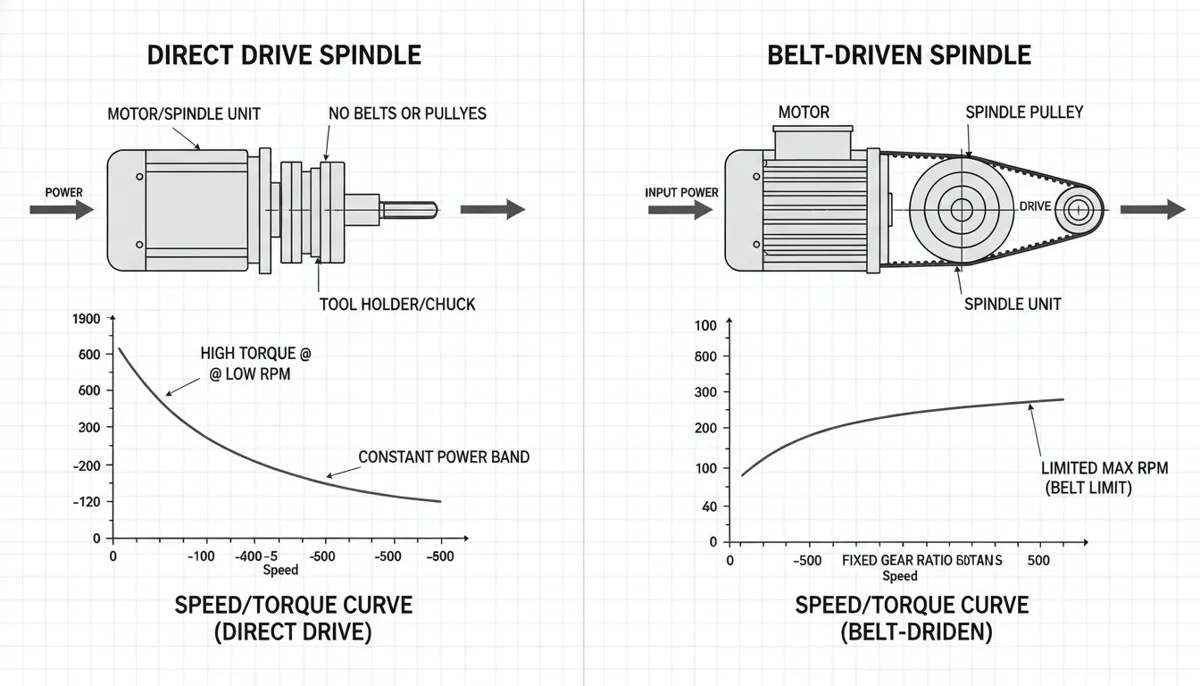
The performance gap between direct drive CNC and belt drive systems stems from a single architectural difference: whether mechanical transmission components sit between the motor and the spindle. In a direct drive CNC system, the motor rotor is integrated with or directly coupled to the spindle shaft — there is no intermediate mechanism. In a belt drive system, a belt and pulley set transfers torque, introducing elasticity, backlash, and a wear component that requires periodic replacement.
This difference cascades into every key performance metric: speed ceiling, torque delivery, vibration level, thermal behavior, and maintenance frequency. The sections below quantify each dimension.
2. Full Performance Comparison: Direct Drive CNC vs Belt Drive
| Performance Parameter | Direct Drive CNC (QiaoFeng) | Belt Drive (Typical) |
|---|---|---|
| Maximum Spindle Speed | 10,000–40,000 RPM (custom to 60,000) | 8,000–20,000 RPM (belt speed limited) |
| Torque at 0 RPM | Full rated torque (e.g. 120 Nm continuous) | Reduced — belt slip at low speed |
| Backlash | Zero (direct coupling) | 0.01–0.05 mm (belt elasticity) |
| Vibration Amplitude | 30–40% lower vs belt drive | Baseline — belt resonance at certain RPM |
| Surface Finish Achievable | Ra 0.2–0.4 µm | Ra 0.4–0.8 µm (finishing); Ra 1.6–3.2 µm (heavy) |
| Acceleration Rate | Up to 30% faster than belt drive | Baseline |
| Energy Efficiency | ~15% more efficient (no belt losses) | Baseline — belt/pulley friction losses |
| Belt Replacement Interval | N/A — no belt | Every 2,000–4,000 hours |
| Belt Tension Check Interval | N/A | Every 500 hours |
| Bearing Service Life | 8,000+ hours (sealed hybrid ceramic) | 4,000–6,000 hours (higher vibration load) |
| Cleanroom Compatibility | Yes — zero belt particulate | No — belt wear generates particles |
| Retrofit Compatibility | Yes — HSK / BT / CAT interfaces | Yes — standard interfaces |
| Initial Cost | Higher upfront | Lower upfront |
| Typical ROI Period | 12–18 months (tooling + downtime savings) | Immediate (lower purchase price) |
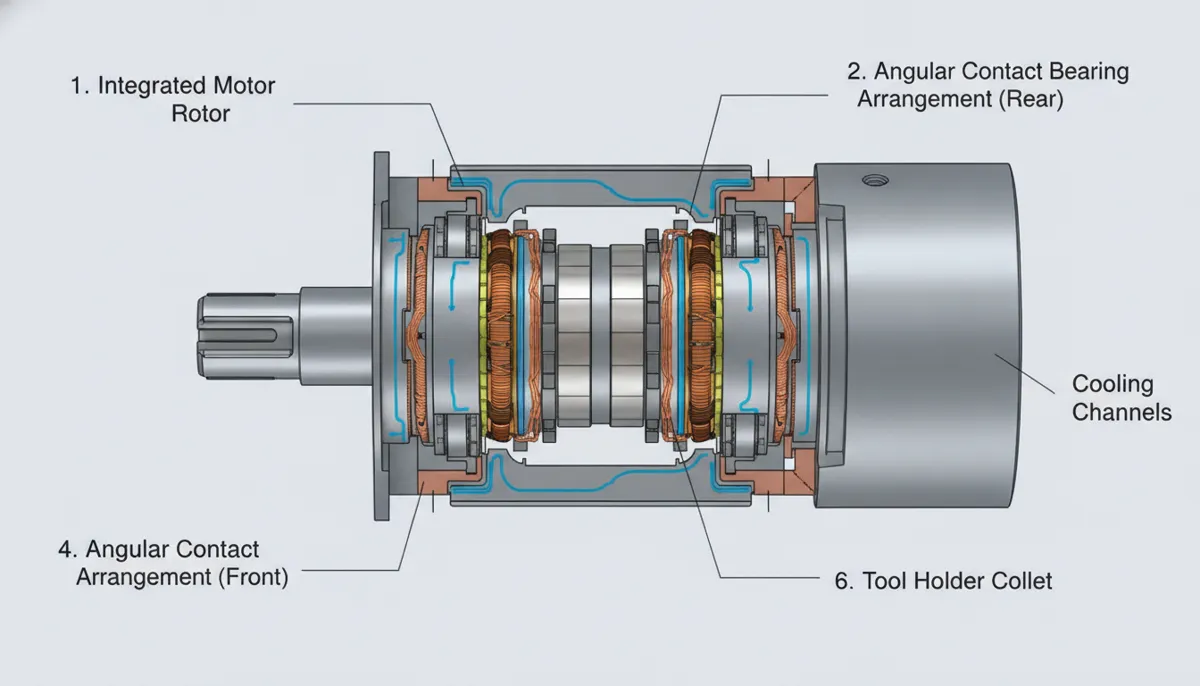
3. Core Features of QiaoFeng’s Direct Drive CNC Spindle System
3.1 Zero Backlash Transmission
Because the motor shaft is directly coupled to the spindle in a direct drive CNC system, there is no belt elasticity to introduce micro-backlash. In a recent case at a Midwest U.S. aerospace job shop, switching to QiaoFeng direct drive CNC spindles reduced part rejection rates by 12% on aluminum alloy contour features, and maintenance engineers reported zero belt tension adjustments over six months of continuous operation.
3.2 Full Torque from 0 RPM
Direct drive motors deliver their full rated torque from standstill — a critical advantage for heavy roughing operations where belt drives experience torque drop and slip at low speeds. QiaoFeng’s standard direct drive CNC spindles deliver 120 Nm continuous torque from 0 RPM, enabling aggressive material removal rates on steel, stainless, and titanium without the speed ramp-up limitations of belt-driven systems.
3.3 Reduced Vibration and Superior Surface Finish
Without belt-induced vibration and resonance nodes, direct drive CNC spindles produce measurably better surface finish. In precision optics and medical device applications, QiaoFeng direct drive spindles running at 12,000 RPM have achieved surface roughness of Ra 0.2 µm — compared to Ra 0.4 µm on equivalent belt-driven machines. Maintenance logs from these facilities also show fewer bearing replacements, consistent with the lower vibration load on bearing races.
3.4 Simplified Maintenance Schedule
Eliminating the belt removes the most frequent maintenance task on conventional spindle systems. No belt inspections every 500 hours, no tension adjustments, no belt replacements every 2,000–4,000 hours. A medical device contract manufacturer reported saving 2 hours per machine per week on spindle maintenance after switching to QiaoFeng direct drive CNC — translating to an 8% OEE improvement across their four-machine cell.
3.5 ISO 9001:2015 Certified with 2-Year Warranty
Every QiaoFeng direct drive CNC spindle is manufactured under ISO 9001:2015 and CE certified processes, with sealed hybrid ceramic bearings rated for 8,000+ operating hours without lubrication service. All spindles carry a 2-year warranty covering motor, bearings, and housing.
4. Real-World Applications & Customer Testimonials
4.1 High-Speed Aluminum Machining — USA
Pain Point: An automotive parts supplier in Ohio was
experiencing belt slippage at 20,000 RPM on engine block surface machining,
causing surface finish variation of ±0.5 µm and frequent belt replacements
costing $1,200 per machine per year.
Solution: QiaoFeng direct drive CNC spindles rated at
24,000 RPM / 15 kW eliminated slippage entirely.
Result: Surface finish variation reduced to
±0.1 µm, belt replacement costs eliminated, and cycle
time reduced by 18% through higher sustained spindle speed.
“Belt slippage at high RPM was killing our surface finish consistency on engine block bores. After switching to QiaoFeng’s direct drive CNC spindles, our finish variation dropped from ±0.5 µm to ±0.1 µm — and we haven’t touched a belt since installation. The $1,200 annual belt cost per machine is gone, and our cycle times are down 18%. The 2-year warranty gave us confidence to make the switch across all four machines at once.”
4.2 Hardened Steel Mold Machining — Germany
Pain Point: A German tool and die manufacturer was
experiencing chatter marks on hardened steel (62 HRC) cavity surfaces
at 8,000 RPM due to belt resonance, requiring additional polishing time
and causing SPI finish grade failures.
Solution: QiaoFeng direct drive CNC spindles with
adaptive vibration monitoring, eliminating belt resonance at all operating
speeds.
Result: Cavity surfaces achieved SPI A-1 grade
directly off the machine, reducing polishing time by 30%.
Belt replacement downtime of approximately €4,500 per machine per year
was eliminated.
“We were losing hours to polishing cavities that should have come off the machine at SPI A-1. The belt resonance at 8,000 RPM was the culprit — we just couldn’t prove it until we switched to QiaoFeng’s direct drive CNC. First week on the new spindle, our cavities hit A-1 straight off the machine. Polishing time dropped 30% and the €4,500 annual belt cost per machine is now zero. Bella’s technical team in Dongguan was outstanding throughout the specification and commissioning process.”
4.3 Medical Device Implant Machining — Thailand
Pain Point: A contract manufacturer in Bangkok producing
titanium orthopedic implants required ISO Class 7 cleanroom-compatible
spindles. Belt-driven spindles generated particulate from belt wear,
failing cleanroom particle count requirements and risking product
contamination.
Solution: QiaoFeng direct drive CNC spindles with fully
sealed housing and integrated air purge — zero belt particulate emission.
Result: ISO Class 7 cleanroom compliance
achieved. Implant rejection rate from surface contamination
dropped to zero, and maintenance labor saved 2 hours per machine per week
on belt inspections.
“Our cleanroom particle counts were failing because of belt wear particulate from the spindles — a problem we didn’t even know we had until an audit flagged it. QiaoFeng’s sealed direct drive CNC spindles solved it completely. Zero particulate, ISO Class 7 compliant, and we save two hours a week per machine on maintenance. For implant machining, that reliability and cleanliness is non-negotiable. We’ve since standardized on QiaoFeng direct drive across our entire implant cell.”
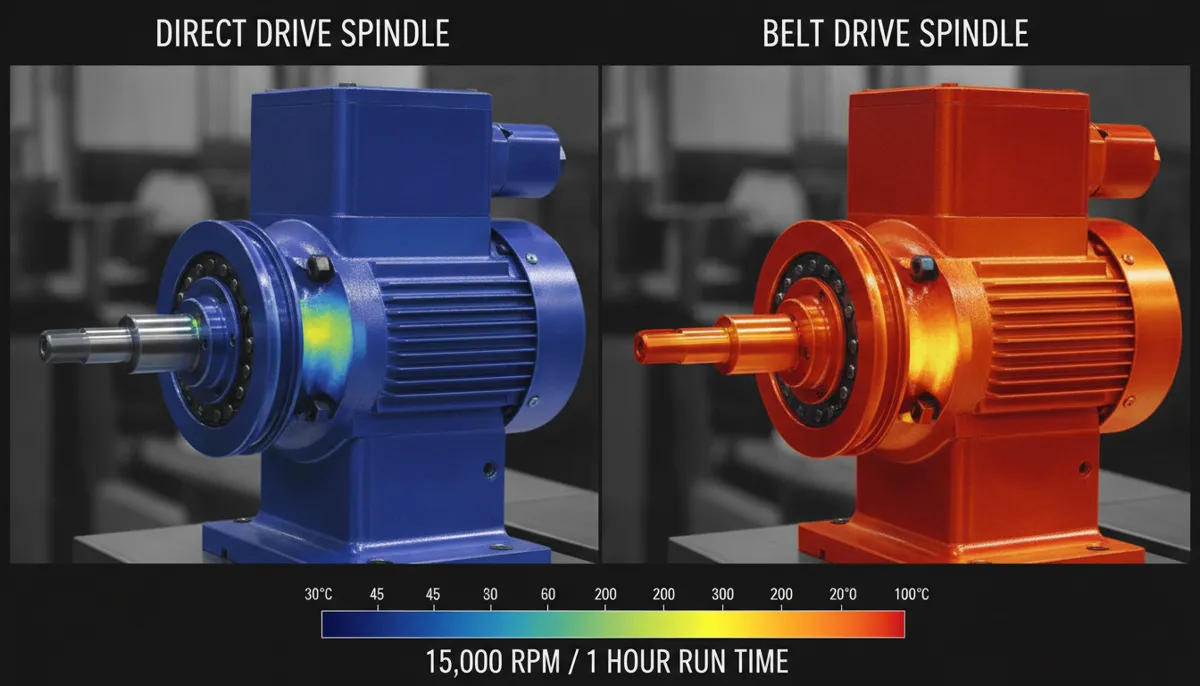
5. Pros & Cons of Direct Drive CNC vs Belt Drive
✅ Direct Drive CNC — Pros
- Zero backlash — superior contour accuracy
- Full torque from 0 RPM — ideal for heavy cutting
- 30–40% lower vibration — better surface finish (Ra 0.2 µm)
- No belt replacements — eliminates $1,000–$1,500/year belt cost
- Speeds to 40,000+ RPM — belt systems top out at ~20,000
- ~15% energy savings vs belt drive at equivalent load
- Cleanroom compatible — zero belt particulate
- 8,000+ hour bearing life with sealed hybrid ceramic bearings
- 2-year warranty, ISO 9001:2015 & CE certified
❌ Direct Drive CNC — Cons
- Higher upfront cost vs belt drive systems
- Motor heat can transfer to spindle (requires thermal management)
- Less suitable for very low-speed, very high-torque roughing (gear-drive or belt may be preferred)
- Retrofit requires compatible motor drive controller
- ROI period of 12–18 months — not ideal for low-utilization machines
6. FAQ: Direct Drive CNC Spindles
Is direct drive CNC always better than belt drive?
Not in every scenario. A direct drive CNC system excels in high-speed, high-precision, and low-maintenance applications — finishing passes, high-speed aluminum, titanium, and cleanroom environments. Belt drive remains cost-effective for low-utilization machines, very low-speed high-torque roughing where gear drives are standard, or where upfront budget is the primary constraint. For machines running 2,000+ hours per year on precision work, direct drive CNC delivers superior total cost of ownership.
How much maintenance does a direct drive CNC spindle require?
Significantly less than belt drive. QiaoFeng direct drive CNC spindles use sealed hybrid ceramic bearings requiring no lubrication service for 8,000 operating hours. Routine tasks are limited to monitoring coolant flow, checking vibration levels via the control system, and periodic visual inspection of the housing seal. Compare this to belt drive systems requiring tension checks every 500 hours and belt replacement every 2,000–4,000 hours.
Can I retrofit my existing CNC machine with a direct drive spindle?
Yes. QiaoFeng offers direct drive CNC spindle retrofit units with standardized taper interfaces — HSK-A63, BT40, BT50, CAT40, CAT50 — compatible with most CNC vertical and horizontal machining centers. Retrofitting typically takes 1–2 days and requires a compatible servo drive controller. Our technical team provides full installation documentation and remote commissioning support. Customers typically report ROI within 12–18 months through reduced downtime and improved part quality.
What is the maximum RPM for direct drive CNC spindles?
QiaoFeng’s standard direct drive CNC spindle range covers 10,000 to 40,000 RPM, with custom-engineered versions available to 60,000 RPM for micro-machining and PCB drilling applications. Belt-driven spindles are practically limited to 20,000–25,000 RPM due to belt speed constraints and heat generation at the pulley interface.
How does direct drive CNC affect energy efficiency?
Direct drive CNC systems eliminate the mechanical transmission losses inherent in belt-and-pulley arrangements — typically 8–15% of input power is lost to belt friction, pulley slip, and heat in belt drive systems. At 4,000 operating hours per year, this efficiency gain translates to approximately $800–$1,200 per spindle per year in electricity cost savings, depending on local energy rates and spindle power rating.
What warranty does QiaoFeng offer on direct drive CNC spindles?
QiaoFeng provides a 2-year warranty on all direct drive CNC spindles, covering the motor, bearings, housing, and electrical interfaces. Warranty support includes remote diagnostics, replacement parts, and on-site service in covered regions for quality-related issues. Contact bella@qfcncmachine.com for warranty inquiries or technical support.
Upgrade to Direct Drive CNC — Get a Free ROI Analysis
Join 750+ manufacturers worldwide who have eliminated belt maintenance and improved precision with QiaoFeng direct drive CNC spindles. Our engineers will calculate your specific ROI based on your current machine utilization and tooling costs — at no charge.
References
- Mordor Intelligence, Machining Centers Market Size, Share & Growth Trends Report, 2024. https://www.mordorintelligence.com/industry-reports/machining-centers-market
- Elsevier — International Journal of Machine Tools and Manufacture, “Dynamic performance analysis of direct-drive motorized spindles for high-speed machining centers”, Vol. 168, 2021. https://www.sciencedirect.com/science/article/pii/S0890695521002856
- AMT — The Association For Manufacturing Technology, U.S. Manufacturing Technology Orders (USMTO) Report, 2024. https://www.amtonline.org/resources/usmto