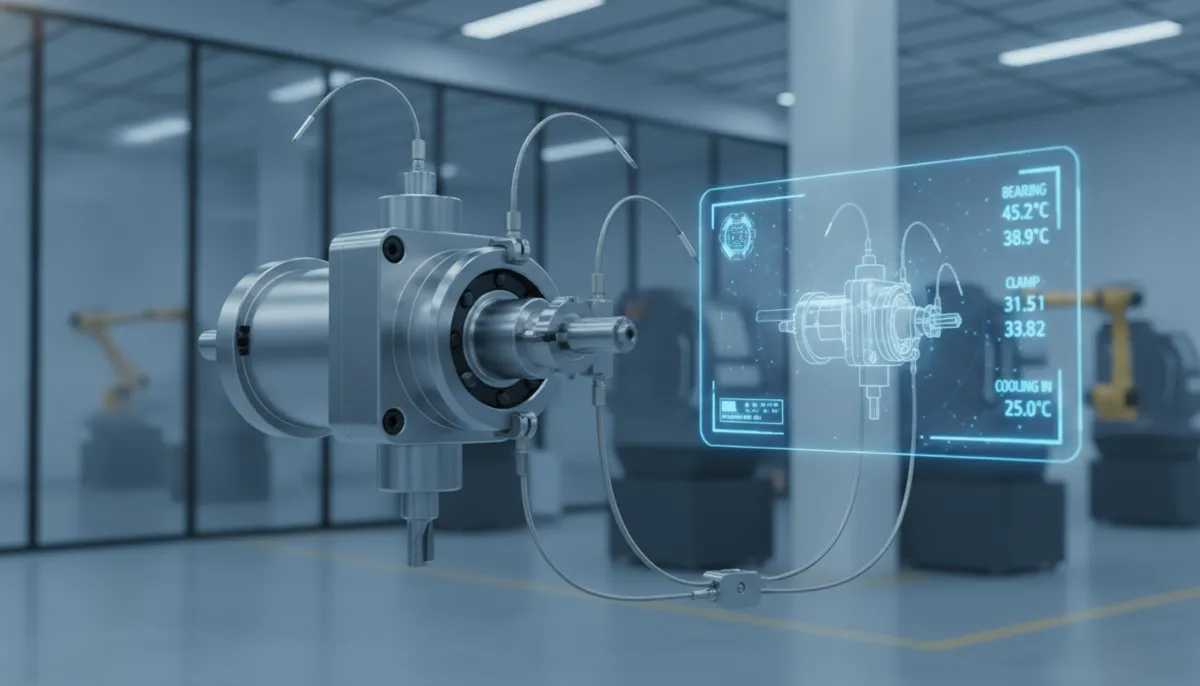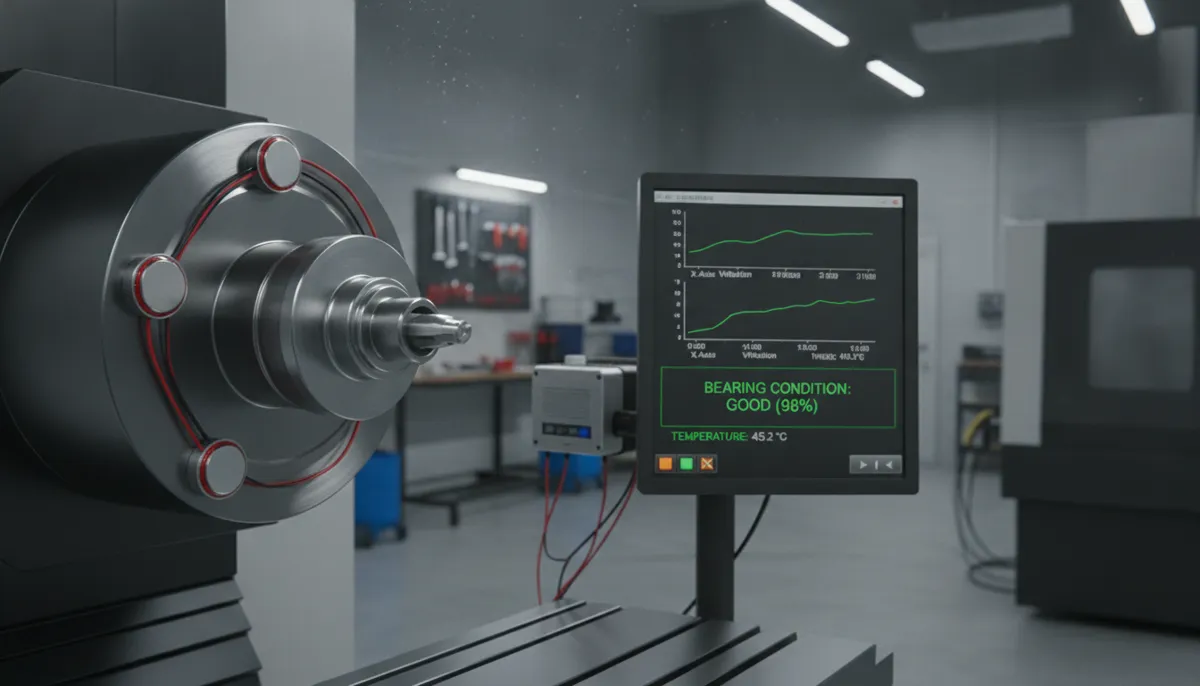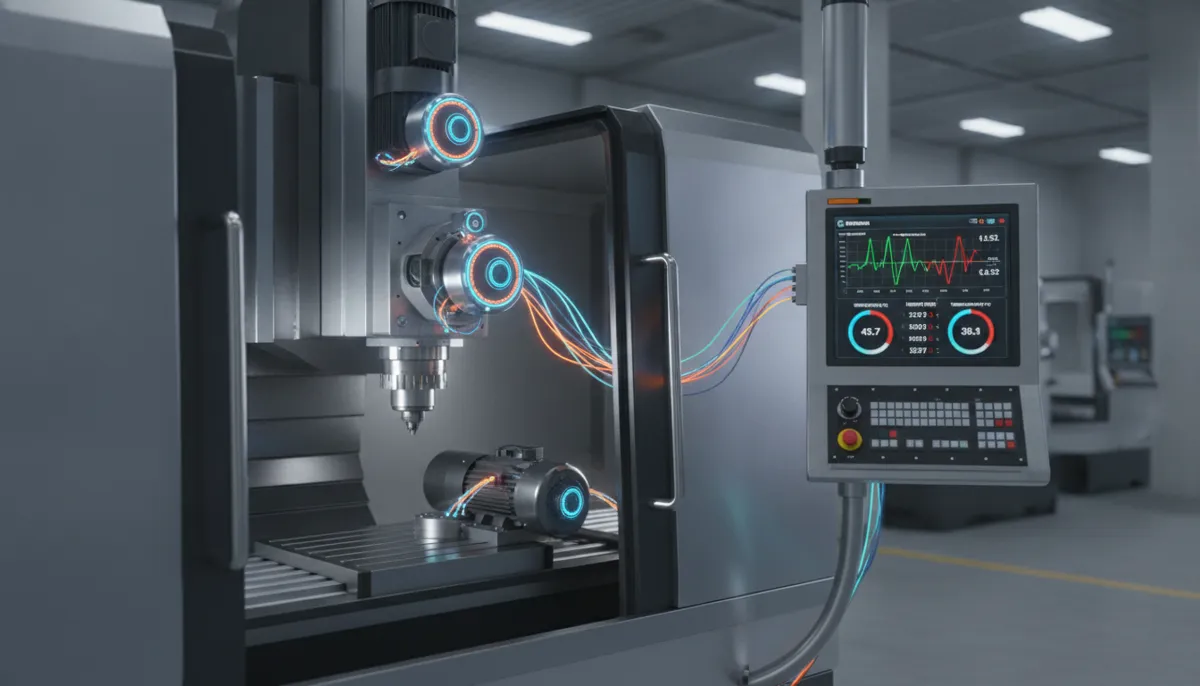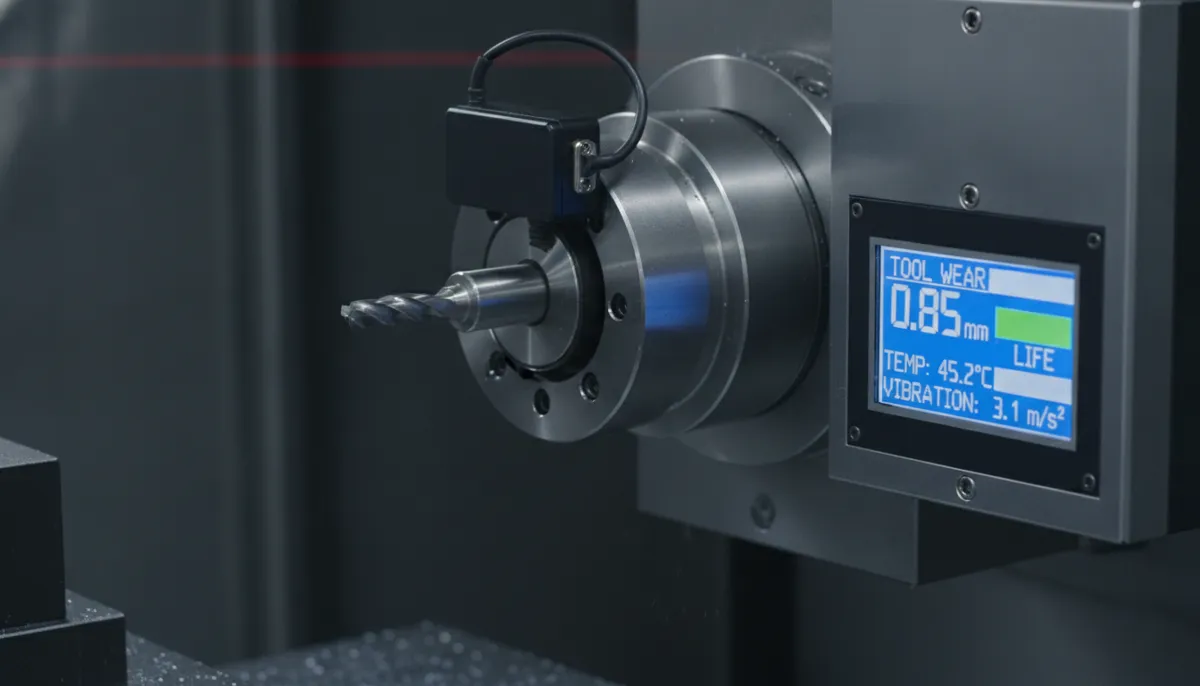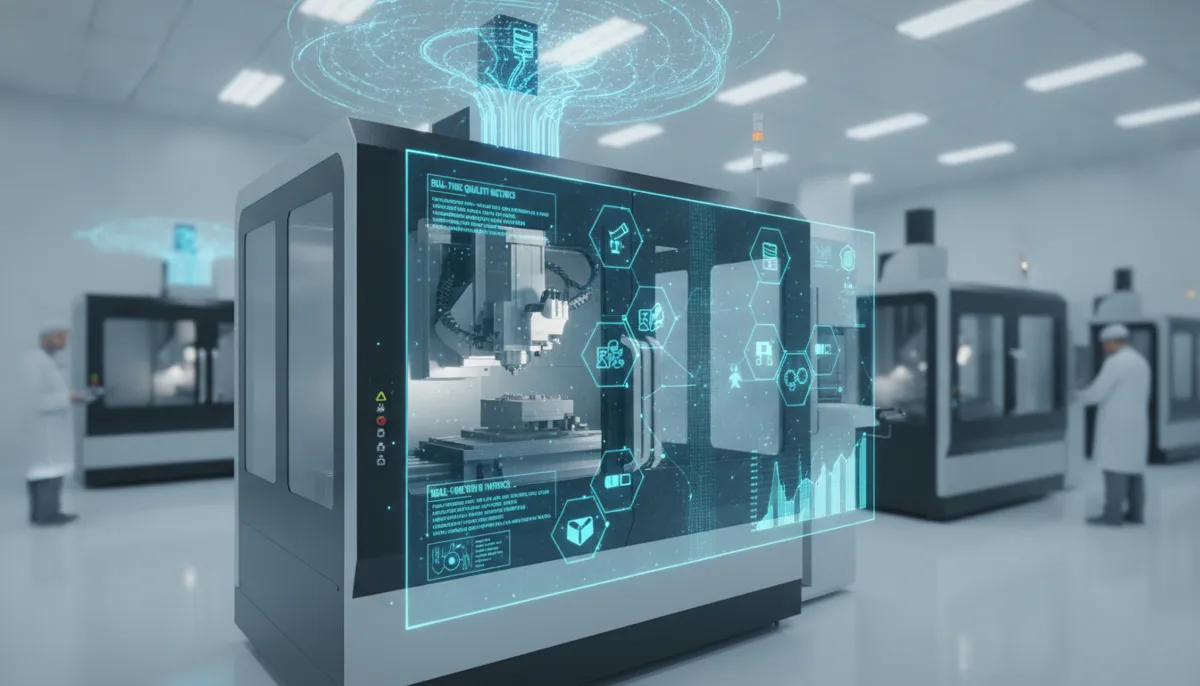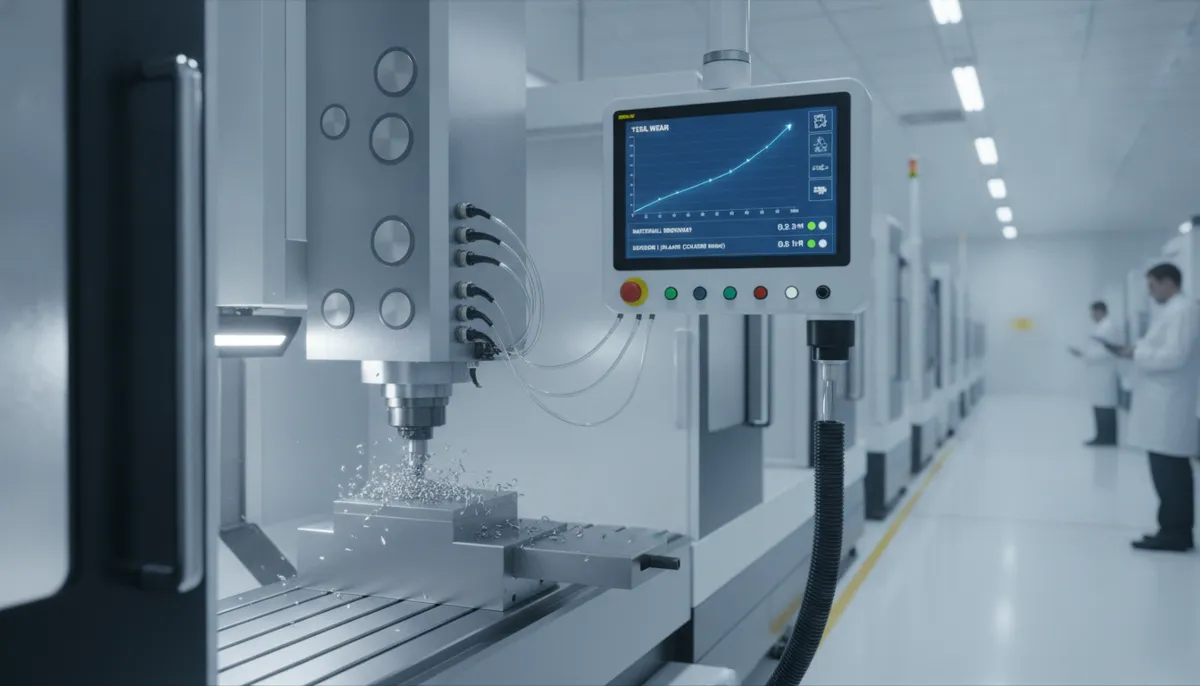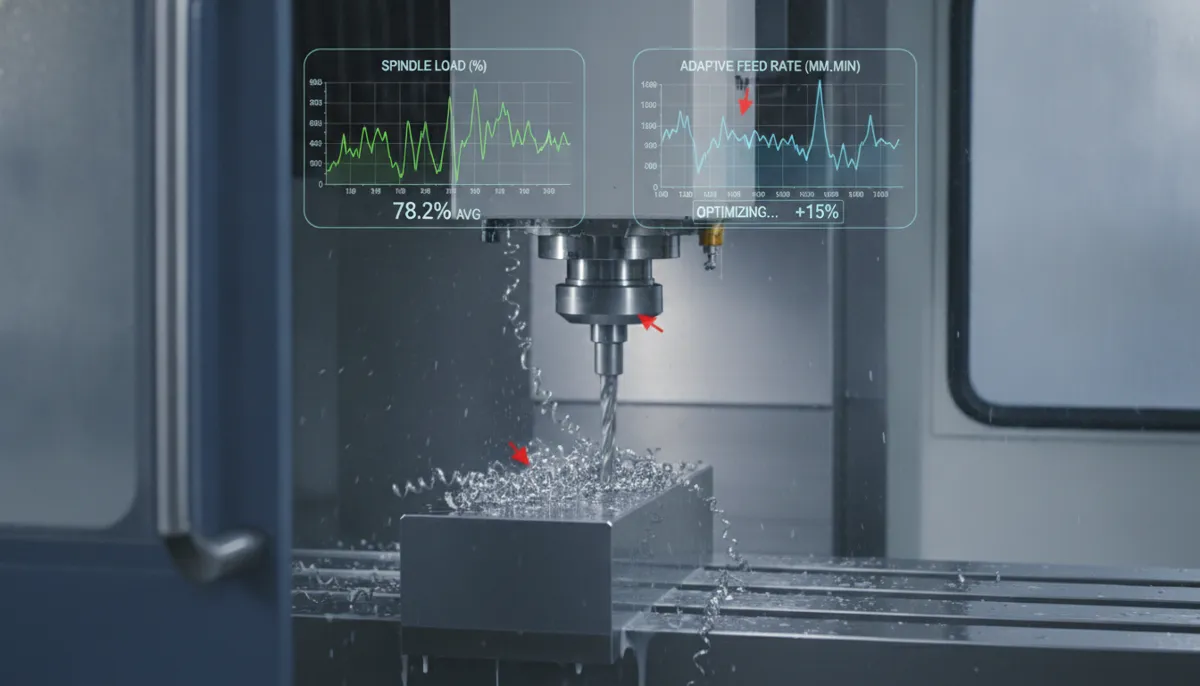
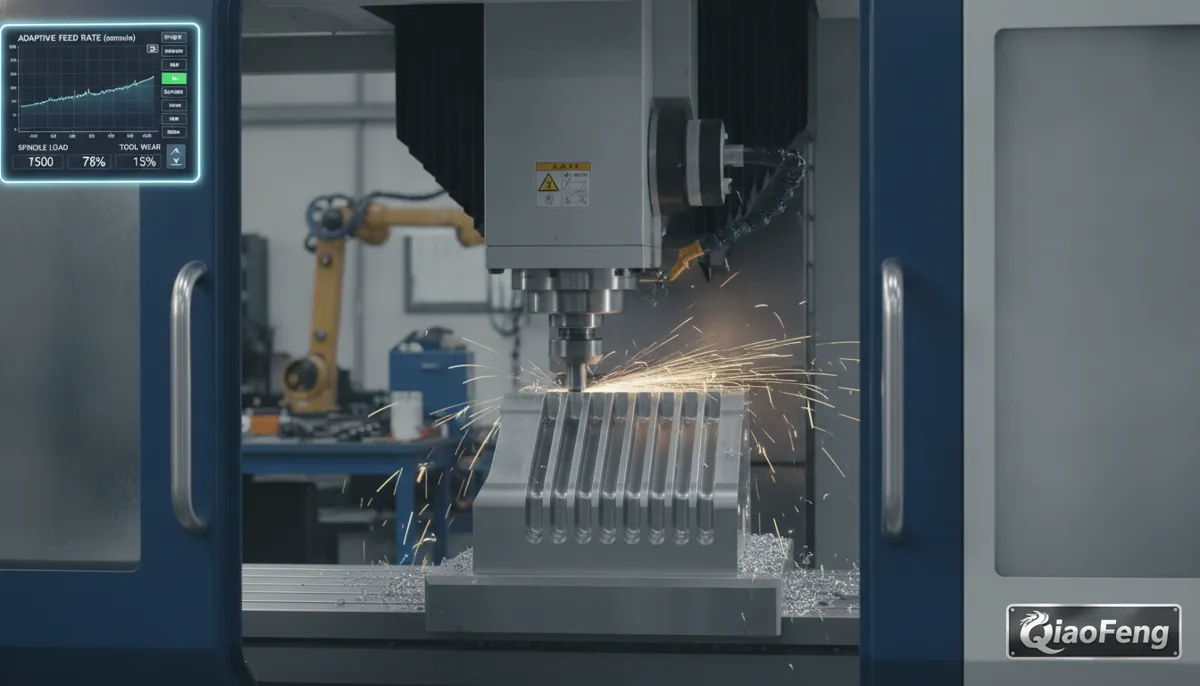
Process engineers face constant pressure to maximize productivity while maintaining strict quality standards. Traditional CNC programming relies on static feed rates, which inevitably leads to inefficiencies: conservative feeds waste valuable production time, while aggressive feeds risk catastrophic tool breakage. CNC adaptive control solves this fundamental issue through real-time feed optimization. By continuously monitoring spindle load, torque, and vibration, the system dynamically adjusts feed rates—accelerating up to 30% in light cuts and safely decelerating during heavy material engagement.
The shift towards smart manufacturing is accelerating. According to recent industry reports, the integration of real-time monitoring systems is becoming standard. Data shows that implementing intelligent feed optimization can reduce overall machining cycle times by 15-25% and extend tool life by up to 40%, making CNC adaptive control a critical upgrade for modern machine shops aiming to stay competitive.
1. Core Features of CNC Adaptive Control
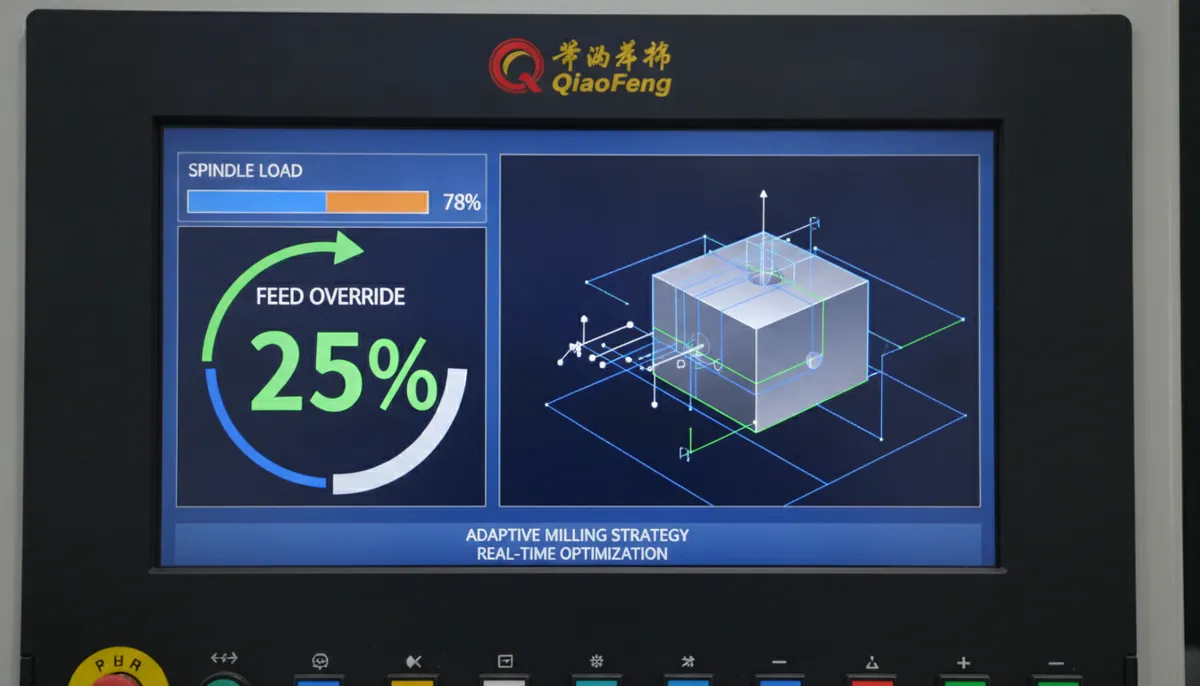
Real-Time Spindle Load Monitoring: The system continuously measures the spindle motor current (load) and compares it to a preset target. When the load drops below the threshold, the feed rate increases; when the load spikes, the feed decreases. Process engineers can set precise load limits based on specific tools and materials, eliminating the guesswork from programming.
Adaptive Feed Control Algorithm: Unlike simple PID controllers, advanced CNC adaptive control utilizes predictive algorithms to anticipate engagement variations—such as cornering or plunging—and adjusts the feed proactively. This prevents tool overload and chatter, ensuring highly consistent material removal rates.
Seamless Integration: Modern CNC adaptive control systems work as add-on modules for major controllers like Fanuc, Siemens, and Heidenhain. Installation typically takes less than 4 hours with no modifications required to existing post-processors.
2. Traditional Machining vs. CNC Adaptive Control
| Feature | Traditional CNC Machining | CNC Adaptive Control |
|---|---|---|
| Feed Rate | Static (Fixed in G-code) | Dynamic (Real-time adjustment) |
| Tool Life | Average (Prone to sudden breakage) | Extended by 20-40% |
| Cycle Time | Conservative / Slower | Optimized (15-30% faster) |
| Operator Intervention | High (Manual overrides needed) | Low (System auto-adjusts) |
3. Real-World Use Cases & Global Testimonials
From high-volume automotive parts to complex aerospace components, CNC adaptive control is transforming production floors across our primary export markets in Europe, the Americas, and Southeast Asia.
“Machining 6061-T6 engine brackets used to take us 8.5 minutes per part. After integrating QFCNC’s adaptive control, the system automatically pushed feeds up by 35% in light passes. Our cycle time dropped to 6.8 minutes, saving us over $120,000 annually in machine overhead.”
“We work heavily with P20 hardened steel for injection molds. Tool chipping was a daily nightmare. The CNC adaptive control system catches vibration spikes instantly and slows the feed. Our tool life has nearly doubled, and we’ve eliminated costly manual rework.”
“In our high-volume electronics casing line, consistency is everything. The adaptive control not only sped up our roughing cycles by 20% but also gave us peace of mind during unmanned night shifts. It’s a game-changer for mass production.”
Pros of Adaptive Control
- Reduces cycle time by 15-30% without compromising part quality.
- Extends tool life by 20-40%, significantly lowering consumable costs.
- Minimizes operator intervention by auto-adjusting to material inconsistencies.
- Provides valuable data logs for process optimization and predictive maintenance.
Cons to Consider
- Initial setup requires tuning for specific machine dynamics (typically 1-2 hours).
- Not recommended for very low-rigidity setups (e.g., thin-walled parts) without additional damping.
- Requires a spindle load sensor; older machines may need a minor hardware retrofit.
4. Frequently Asked Questions
What is CNC adaptive control and how does it work?
CNC adaptive control is an intelligent technology that automatically adjusts the feed rate based on real-time cutting conditions. Sensors measure spindle load or vibration; the control algorithm then compares these to target values and modifies the feed to maintain optimal cutting, preventing overload and reducing cycle time.
Will adaptive control work on my existing CNC machine?
Yes, it is compatible with most Fanuc, Siemens, and Heidenhain controls. It requires a spindle load sensor and a small interface module. Our engineers can provide a compatibility check via remote diagnostics.
What are your warranty and refund policies?
We provide a comprehensive 2-year warranty on our systems. Regarding refunds: we do not support returns without a valid reason (no-questions-asked refunds are not supported). However, if there are verified quality issues with the product, we fully support refunds and replacements to guarantee your satisfaction.
Ready to Optimize Your CNC Machining?
Stop wasting cycle time and burning through tools. Contact our engineering team today for a free feasibility analysis and ROI calculation.
References
- Mordor Intelligence. (2024). Machining Centers Market Size, Share & Growth Trends Report.
- Grand View Research. (2023). Computer Numerical Control (CNC) Machine Market Size, Share & Trends Analysis Report.
- MarketsandMarkets. (2023). CNC Machine Market Global Forecast to 2028.