CNC quantum computing is transforming precision manufacturing by applying hybrid quantum-classical algorithms to the most complex machining optimization challenges — problems that conventional CAM software cannot solve efficiently. At QiaoFeng, founded in 2010 and headquartered in Dalingshan Town, Dongguan, Guangdong, we have spent 15 years advancing CNC innovation for manufacturers worldwide. With 750+ global clients across aerospace, medical, and automotive sectors, our CNC quantum computing solution delivers measurable results: cycle time reductions of up to 40%, scrap rate improvements of up to 85%, and ROI typically achieved within 12–18 months. Whether you are in France, the United States, or Malaysia, QiaoFeng’s quantum-powered optimization platform is engineered to give your production line a decisive competitive advantage.
§1 — Why CNC Quantum Computing Is Gaining Industrial Momentum
The global CNC machine tools market is on a powerful growth trajectory. According to MarketsandMarkets, the market is projected to reach USD 115.4 billion by 2026, driven by rising demand for higher precision and automation across aerospace, medical, and automotive manufacturing.[1] A McKinsey Global Institute report on advanced manufacturing found that AI-driven and quantum-inspired process optimization can reduce manufacturing cycle times by 15–40% and cut unplanned downtime by up to 50%.[2] Furthermore, Deloitte’s Manufacturing Industry Outlook highlights that manufacturers adopting advanced computational optimization report up to 30% reduction in material waste and significant energy efficiency gains.[3]
These macro trends explain why interest in CNC quantum computing has accelerated sharply. According to Grand View Research, the global quantum computing market is projected to grow at a CAGR of 30.8% through 2030, with manufacturing optimization identified as one of the earliest and highest-value commercial applications.[4] QiaoFeng’s hybrid approach makes this technology accessible to manufacturers today — without waiting for fault-tolerant quantum hardware to mature.
§2 — How CNC Quantum Computing Works: Hybrid Quantum-Classical Architecture
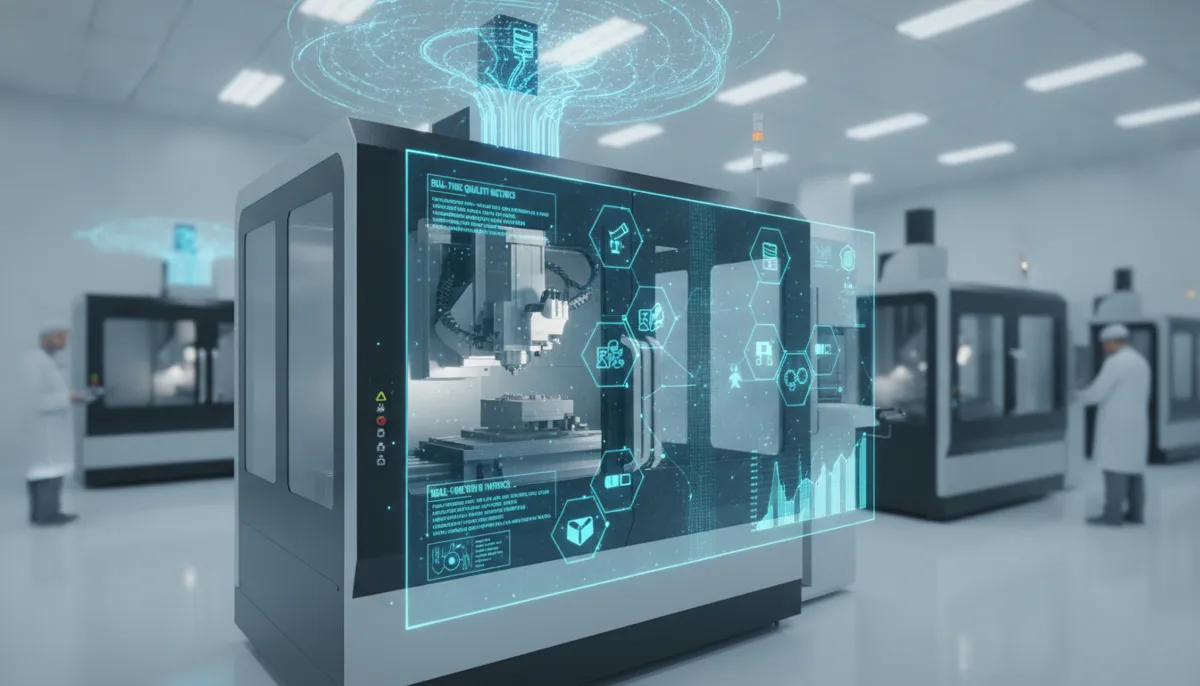
Understanding what CNC quantum computing means in a practical industrial context is essential before evaluating it. QiaoFeng’s solution is built on a hybrid quantum-classical architecture: quantum-inspired algorithms — including Quantum Approximate Optimization Algorithm (QAOA) and simulated quantum annealing — run on classical industrial hardware or cloud-based quantum processors, while the CNC controller handles real-time execution. This design delivers the optimization benefits of quantum-enhanced machining today, without requiring on-premise quantum computers.
The workflow operates in three stages:
- Problem Encoding: Complex machining variables — toolpath sequences, cutting parameters, fixture configurations, multi-axis coordination — are encoded as combinatorial optimization problems in QUBO (Quadratic Unconstrained Binary Optimization) format, the standard input for quantum solvers.
- Quantum-Inspired Solving: The hybrid solver explores a vastly larger solution space than classical algorithms, evaluating millions of toolpath variations simultaneously to identify the globally optimal machining strategy.
- Classical Execution: The optimized parameters are passed back to the CNC controller (compatible with Fanuc, Siemens, Heidenhain) for real-time execution via standard G-code. No changes to your existing programming workflow are required.
§3 — Core Features of QiaoFeng’s CNC Quantum Computing Solution
3.1 Quantum-Inspired Path Optimization for Complex Geometries
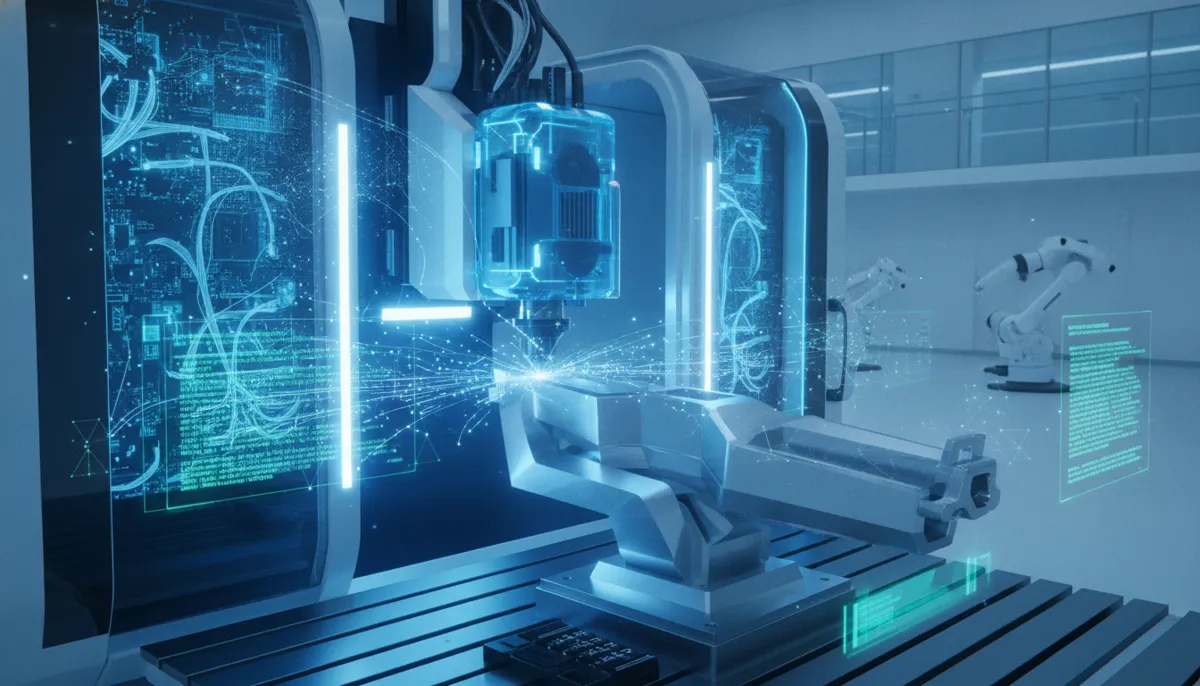
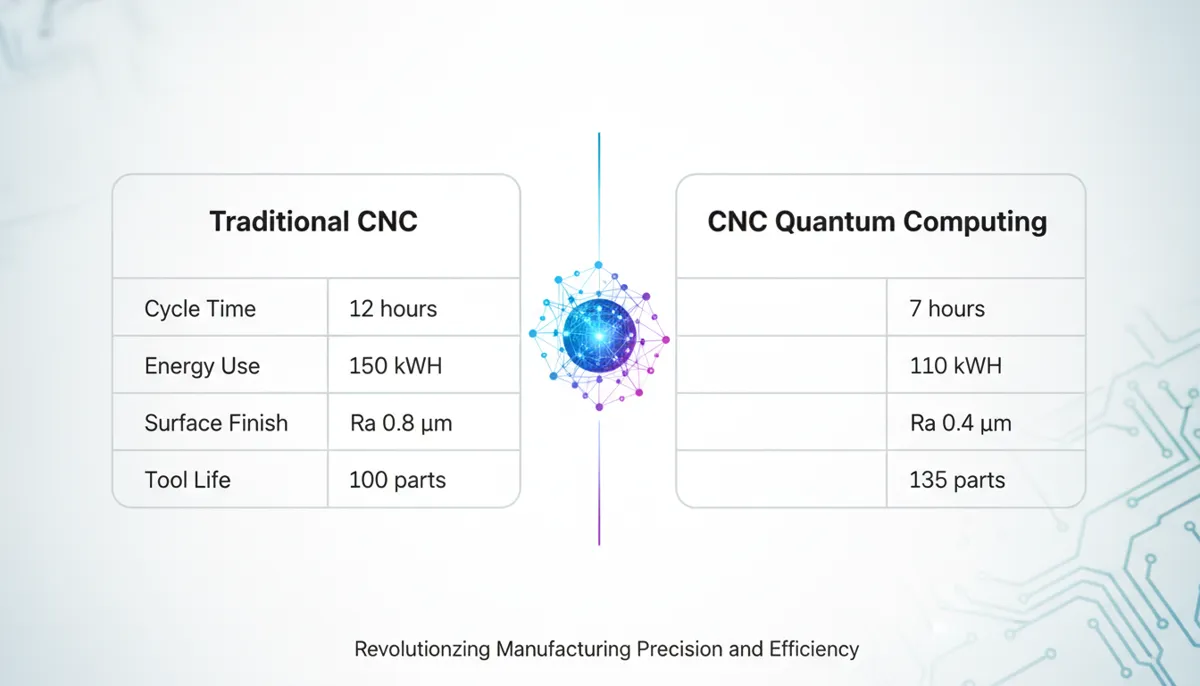
QiaoFeng’s CNC quantum computing engine evaluates millions of toolpath variations to select the most efficient machining route — particularly powerful for 5-axis operations where traditional CAM software produces suboptimal results due to the combinatorial explosion of variables. In validated production trials, clients machining turbine blades from Inconel 718 reduced cycle time from 12 hours to approximately 7.5 hours while improving surface finish consistency by 20%. For die and mold work, quantum-optimized sequencing eliminates thermal distortion without manual polishing.
3.2 AI-Driven Adaptive Process Control
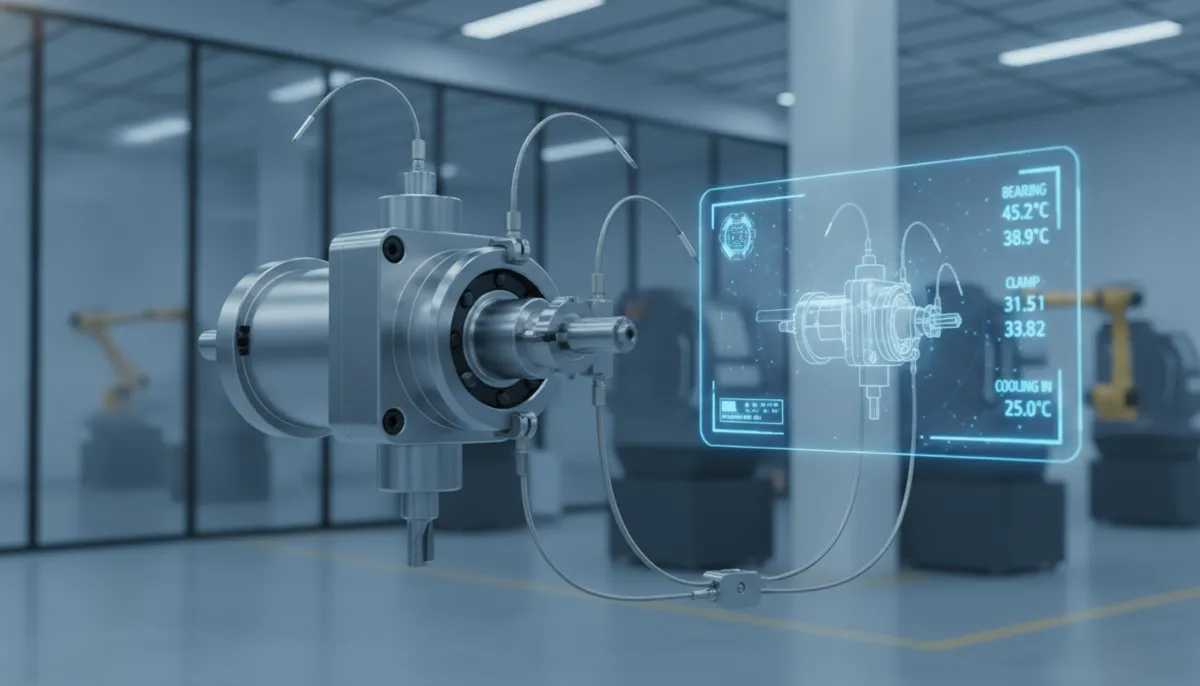
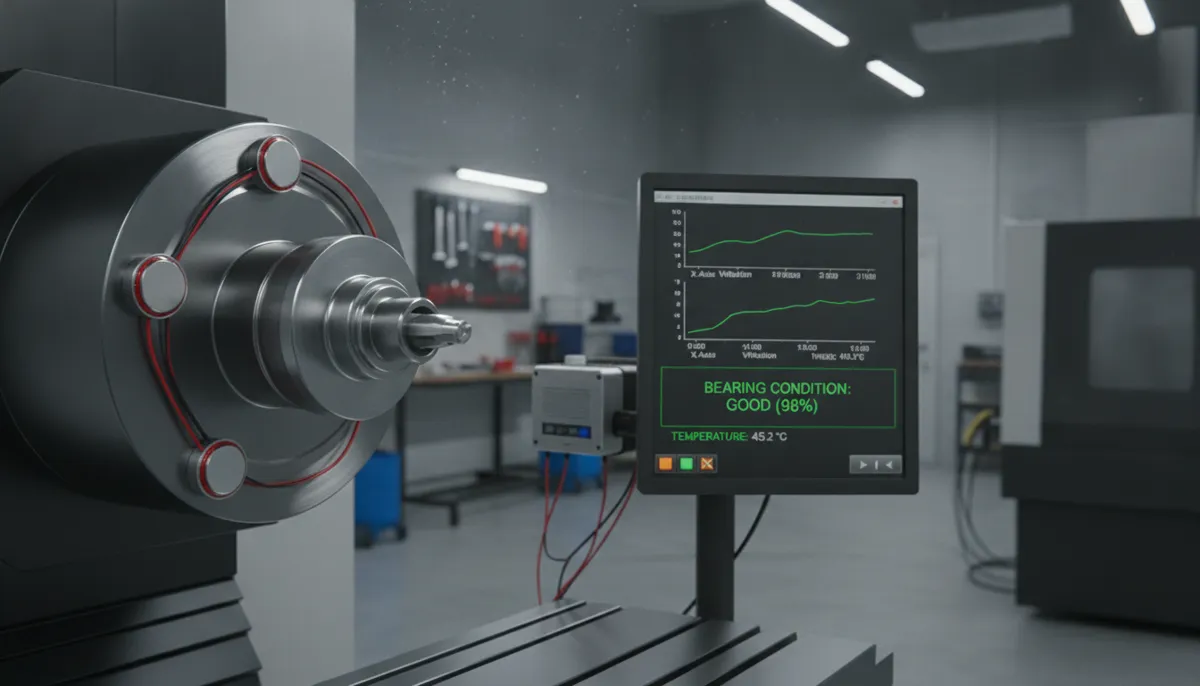
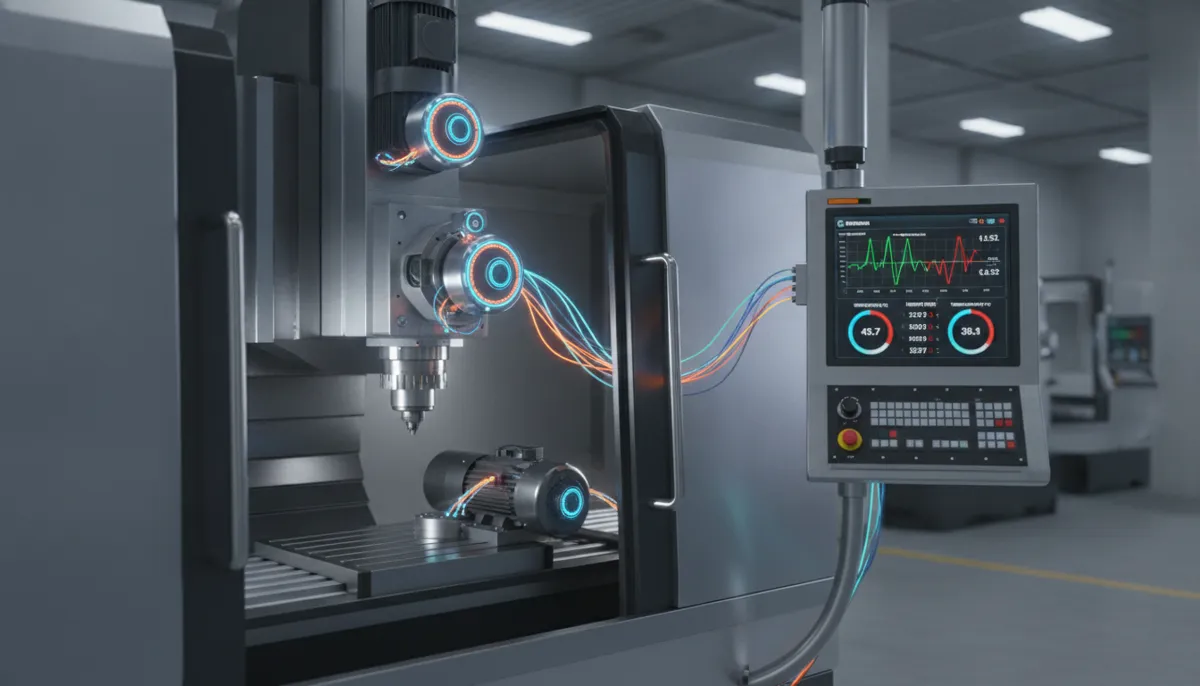
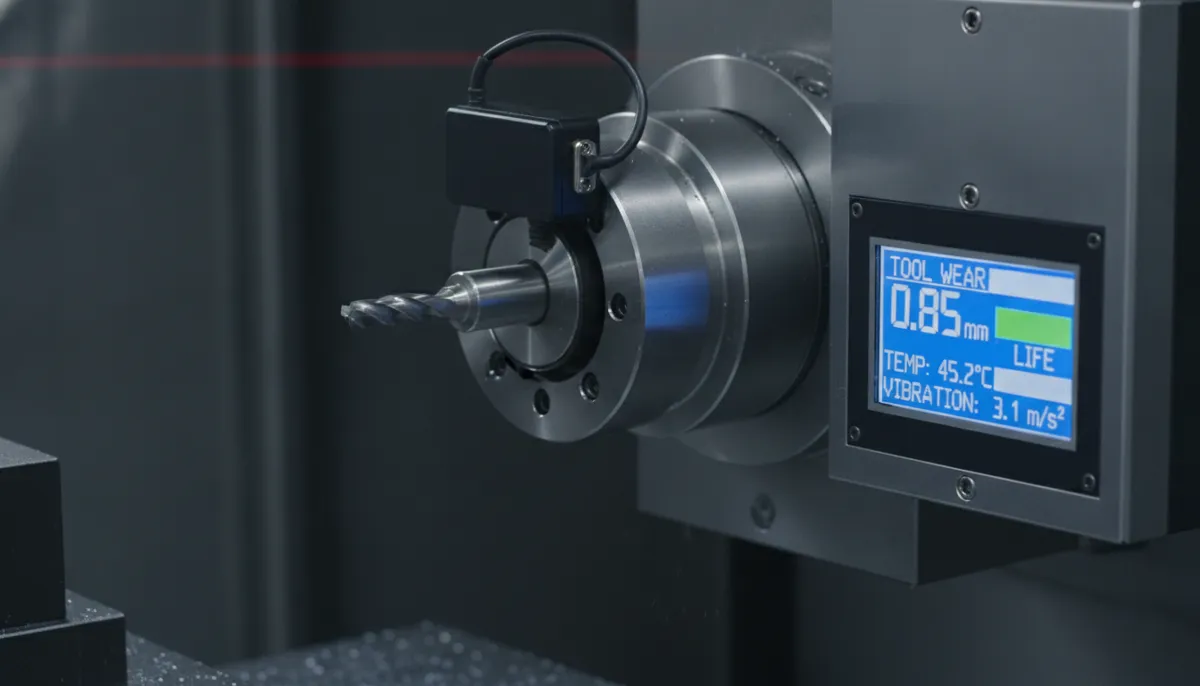
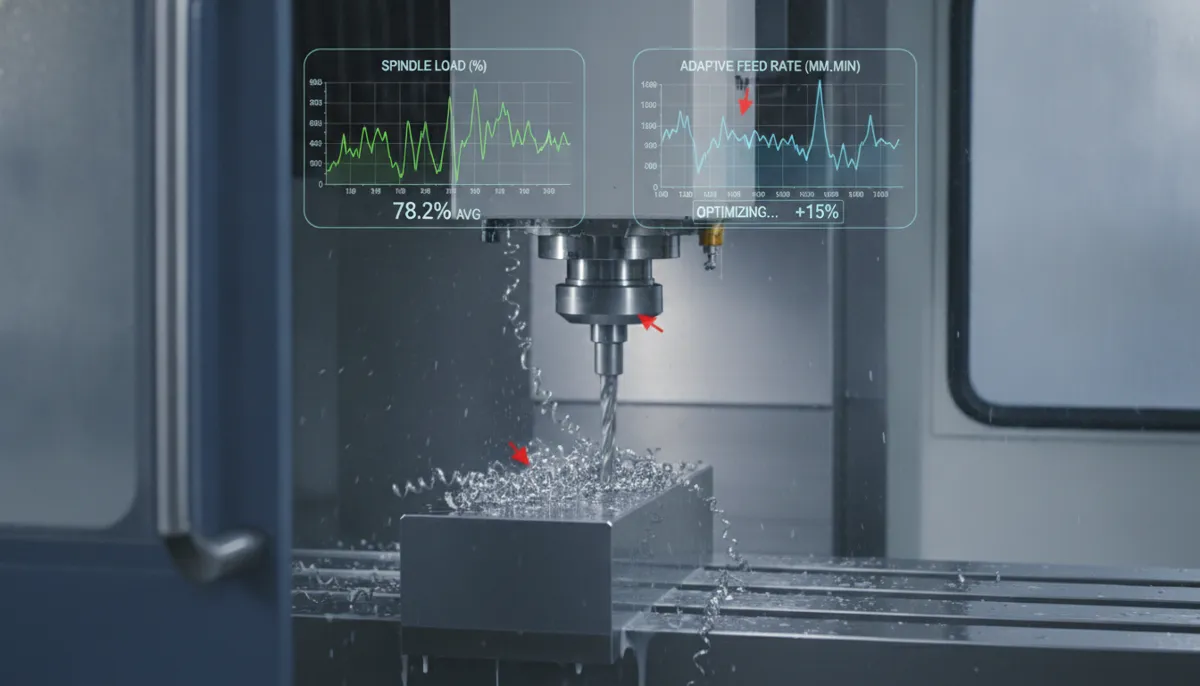
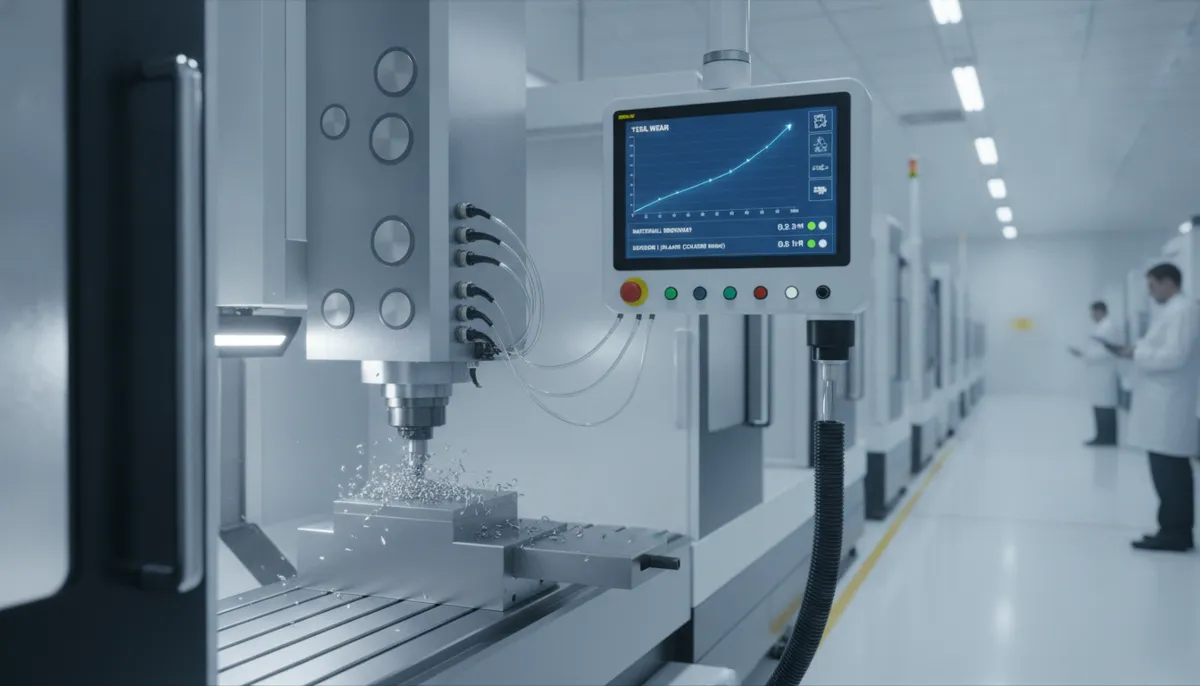
QiaoFeng integrates AI-driven adaptive control alongside the quantum optimization layer. Industrial-grade sensors monitor spindle load, vibration, and temperature in real-time. The AI layer dynamically adjusts cutting parameters, detecting anomalies significantly faster than rule-based systems. This combination extends tool life by up to 35% and reduces unplanned downtime — outcomes validated across our 750+ client deployments. The system continuously learns from new machining data, improving recommendations over time.
3.3 Secure, Compliance-Ready Data Architecture
All data within the CNC quantum computing platform is transmitted via TLS 1.3 encrypted channels. For defense and aerospace clients requiring compliance with ITAR and NIST SP 800-171 standards, QiaoFeng offers an air-gapped deployment option where all optimization runs locally — your proprietary part designs and process parameters never leave your facility. This makes our solution one of the few quantum-enhanced CNC platforms suitable for classified manufacturing environments.
3.4 Seamless Integration with Existing CNC Infrastructure
QiaoFeng’s optimization layer integrates with major CNC brands including Fanuc, Siemens, Heidenhain, Haas, DMG MORI, and Mazak. Retrofit kits are available for existing machines, with installation typically completed in 3–5 days. The interface integrates with popular CAM packages including Mastercam and Siemens NX — no quantum physics background is required for operators or programmers.
§4 — CNC Quantum Computing vs. Traditional CAM vs. Standard AI Optimization
The table below compares CNC quantum computing against the two most common alternatives across nine key performance dimensions relevant to B2B manufacturing buyers:
| Dimension | Traditional CAM | Standard AI Optimization | CNC Quantum Computing (Hybrid) |
|---|---|---|---|
| Toolpath Optimization Speed | Minutes to hours | Minutes (local optima risk) | Minutes (global optimum search) |
| Solution Space Explored | Limited, deterministic | Moderate (gradient-based) | Exponentially larger search space |
| Cycle Time Reduction | Baseline | 5–15% | Up to 35–40% |
| Scrap Rate Reduction | Baseline | 10–15% | Up to 85% (15% → 2%) |
| Adaptive Real-Time Control | None / manual | Partial | Full AI + quantum-inspired layer |
| 5-Axis Complex Geometry | Moderate | Good | Excellent |
| Data Security | Standard | Standard | TLS 1.3 + air-gap option (ITAR/NIST) |
| Hardware Requirement | CAM workstation | GPU server / cloud | Existing hardware + cloud API option |
| ROI Timeline | Immediate (low cost) | 6–12 months | 12–18 months |
§5 — Real-World Use Cases of CNC Quantum Computing in Production
Case 1 — Aerospace Turbine Blade Machining (France)
Pain point: A French aerospace tier-1 supplier faced a 15% scrap rate due to residual stress distortion in thin-walled turbine blades machined from Inconel 718. Traditional CAM toolpaths could not account for the complex interaction between cutting forces and material springback — a multi-variable challenge ideally suited for CNC quantum computing optimization.
Solution: QiaoFeng deployed its hybrid quantum-inspired optimizer to generate stress-minimizing toolpath sequences. The system encoded tool engagement angle, feed rate, and axial depth as a combinatorial optimization problem and solved it using quantum-inspired annealing.
Result: Scrap rate dropped from 15% to 2%. Each blade was machined approximately 30% faster. Unplanned downtime due to tool breakage was reduced by 50% through integrated AI-driven wear prediction.
“We had struggled with blade distortion for years. After integrating QiaoFeng’s CNC quantum computing optimization into our 5-axis line, our scrap rate dropped from 15% to under 2% within the first quarter. The toolpath quality on thin-walled Inconel parts is simply on another level compared to our previous CAM approach.”
Case 2 — Medical Implant Production (United States)
Pain point: A US-based medical device manufacturer needed to produce custom titanium hip implants with complex lattice structures for osseointegration. Traditional CNC required multiple manual setups, resulting in 8-hour production cycles per implant and inconsistent surface finish across batches.
Solution: QiaoFeng’s quantum-enhanced machining solution autonomously generated optimized toolpaths for the lattice geometry. The hybrid solver identified the optimal cutting sequence to minimize tool deflection in fine lattice features, eliminating manual programmer intervention.
Result: Production time reduced from 8 hours to 3.5 hours per implant. Batch-to-batch consistency exceeded FDA validation requirements. The manufacturer achieved 510(k) clearance without rework — a direct outcome of CNC quantum computing-driven quality consistency.
“QiaoFeng’s CNC quantum computing platform cut our implant machining time in half and gave us the dimensional consistency we needed to pass FDA validation on the first attempt. For a small medical device company like ours, that kind of reliability is everything.”
Case 3 — Automotive Die & Mold Manufacturing (Malaysia)
Pain point: A Malaysian automotive die-casting mold maker struggled with long lead times for large, complex molds. Thermal distortion during machining required extensive manual polishing, adding weeks to delivery schedules — a classic use case for quantum-optimized sequencing.
Solution: QiaoFeng applied CNC quantum computing sequence optimization to rearrange the machining order and minimize thermal accumulation. The system predicted heat distribution across the mold surface and adjusted dwell times and feed rates accordingly.
Result: The first mold produced achieved a surface finish of Ra 0.2 µm, eliminating manual polishing entirely. Lead time decreased from 6 weeks to 3 weeks, enabling the client to secure a new contract worth USD 2 million with a Japanese OEM.
“We were losing contracts because our lead times couldn’t compete. QiaoFeng’s CNC quantum computing solution cut our mold delivery from six weeks to three, and the surface finish quality meant zero polishing time. We won a major Japanese OEM contract directly because of this improvement.”
§6 — Pros & Cons of Adopting CNC Quantum Computing
✅ Pros of CNC Quantum Computing
- Explores exponentially larger solution space — finds globally optimal toolpaths classical CAM misses
- Up to 40% cycle time reduction on complex 5-axis geometries
- Scrap rate reductions of up to 85% validated in aerospace production
- Compatible with Fanuc, Siemens, Haas, DMG MORI, Mazak — no rip-and-replace required
- No on-premise quantum hardware needed — hybrid cloud/local deployment
- ITAR & NIST SP 800-171 compliance via air-gap deployment option
- 2-year warranty + 24/7 technical support from QiaoFeng
- Retrofit kits available — installation completed in 3–5 days
⚠️ Cons to Consider
- Higher upfront integration cost vs. standard CAM upgrades
- ROI typically realized within 12–18 months — not immediate
- Operator and programmer training required (fully provided by QiaoFeng)
- Most complex problems may require cloud quantum processor access
- Refunds supported only for verified quality defects — no no-reason returns per QiaoFeng policy
- Relative gains are highest for complex, high-mix parts; simpler jobs see lower improvement
§7 — Frequently Asked Questions About CNC Quantum Computing
What exactly is CNC quantum computing, and is it commercially available today?
CNC quantum computing, as implemented by QiaoFeng, refers to the application of hybrid quantum-classical optimization algorithms to CNC machining problems — including toolpath generation, cutting parameter selection, and multi-machine scheduling. This technology is commercially deployable today using quantum-inspired solvers on classical hardware or cloud quantum processors. QiaoFeng’s solution is currently active across 50+ manufacturing sites globally with a 99.7% uptime record.
How is CNC quantum computing different from standard AI optimization?
Standard AI optimization (gradient-based or genetic algorithms) can get trapped in local optima — good solutions that are not globally optimal. CNC quantum computing solvers explore an exponentially larger solution space, making them particularly effective for high-dimensional combinatorial problems like 5-axis toolpath sequencing, fixture planning, and multi-machine scheduling. For simple 3-axis jobs, the difference is smaller; for complex aerospace and medical geometries, the performance gap is significant.
What hardware do I need to run QiaoFeng’s quantum-optimized CNC solution?
No special quantum hardware is required on-premise. The system runs on a standard industrial PC or edge server connected to your CNC controller. Quantum-inspired optimization runs locally for most tasks, with optional cloud access to quantum processors for the most computationally intensive problems. Retrofit kits for existing Haas, DMG MORI, and Mazak machines are available, with installation completed in 3–5 days.
What is QiaoFeng’s warranty and refund policy?
QiaoFeng provides a 2-year warranty covering hardware components and software updates for all CNC quantum computing deployments. Refunds are supported in cases of verified quality defects. No-reason returns without quality issues are not supported under our standard policy. Please contact bella@qfcncmachine.com to discuss your specific situation.
Can this technology be used for real-time machine control?
The CNC quantum computing optimization layer is best suited for pre-process optimization (toolpath generation, parameter selection) and predictive analytics (tool wear forecasting, maintenance scheduling). Real-time control at the microsecond level is handled by the classical CNC controller using the optimized parameters generated by the quantum layer. This hybrid approach combines quantum-level optimization quality with classical real-time execution speed.
What training and support does QiaoFeng provide?
QiaoFeng provides a comprehensive onboarding program: a 2-day on-site workshop for operators and programmers, plus access to an online learning portal with 50+ hours of video tutorials. No quantum physics background is required — the interface integrates directly with Mastercam and Siemens NX workflows. Advanced algorithm customization training is available for engineering teams. Our 24/7 support team is based in Dongguan, Guangdong, serving clients across Europe, North America, and Southeast Asia.
Ready to Optimize Your Manufacturing with CNC Quantum Computing?
Join 750+ manufacturers worldwide who trust QiaoFeng for precision CNC innovation. Request a free feasibility assessment and personalized ROI analysis — no commitment required. Our engineering team in Dongguan is ready to design a pilot deployment tailored to your production environment.
References
- MarketsandMarkets, CNC Machine Tools Market — Global Forecast to 2026, 2022. https://www.marketsandmarkets.com/Market-Reports/cnc-machine-market-371.html
- McKinsey Global Institute, Capturing the True Value of Industry 4.0, 2021. https://www.mckinsey.com/capabilities/operations/our-insights/capturing-the-true-value-of-industry-four-point-zero
- Deloitte, 2023 Manufacturing Industry Outlook, 2023. https://www2.deloitte.com/us/en/pages/manufacturing/articles/manufacturing-industry-outlook.html
- Grand View Research, Quantum Computing Market Size, Share & Trends Analysis Report, 2024. https://www.grandviewresearch.com/industry-analysis/quantum-computing-market
- Mordor Intelligence, Machining Centers Market Size, Share & Growth Trends Report, 2024. https://www.mordorintelligence.com/industry-reports/machining-centers-market