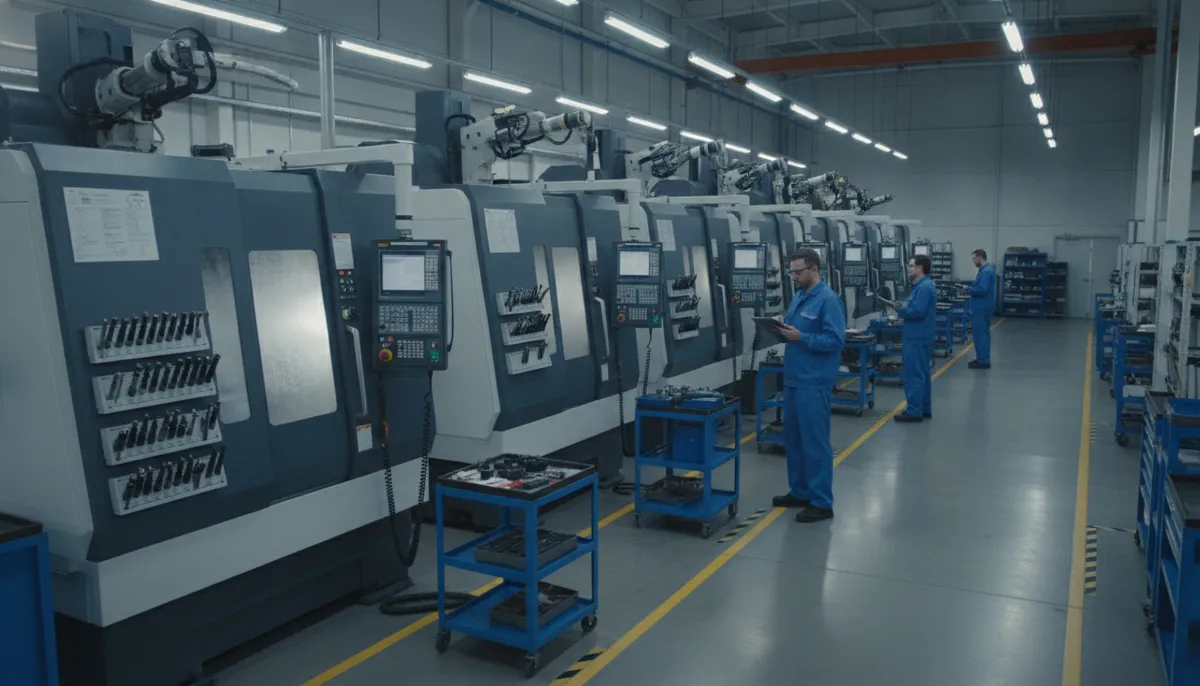
In today’s competitive manufacturing landscape, factory owners face a critical decision: stick with manual CNC machines or invest in an automatic CNC machine. At QiaoFeng, we’ve helped 750+ factories worldwide transition to automation since 2010. In this comprehensive guide, we’ll break down the ROI of automatic CNC vs manual CNC, backed by real industry data and a case study from a mid-sized automotive parts supplier.
1. What the Data Says: CNC Automation in 2024
The global CNC machines market is on a steep growth trajectory. According to Mordor Intelligence, the CNC Machines Market was valued at approximately USD 79 billion in 2026 and is projected to reach USD 105.7 billion by 2031, growing at a CAGR of 5.96%.[1] Meanwhile, Grand View Research reports that the global CNC machining and turning centers market was estimated at USD 25.99 billion in 2023, with a projected CAGR of 6.6% through 2030, driven primarily by demand for automation in automotive, aerospace, and medical device manufacturing.[2]
Adoption of automatic CNC machines is accelerating across Southeast Asia, Europe, and North America — the three regions where QiaoFeng machines are most widely deployed. Fortune Business Insights projects the broader CNC machine tools market to grow from USD 108.58 billion in 2026 to USD 251.61 billion by 2034 (CAGR 11.10%), underscoring the urgency for factory owners to automate now rather than later.[3]
2. Why Automatic CNC Machines Outperform Manual
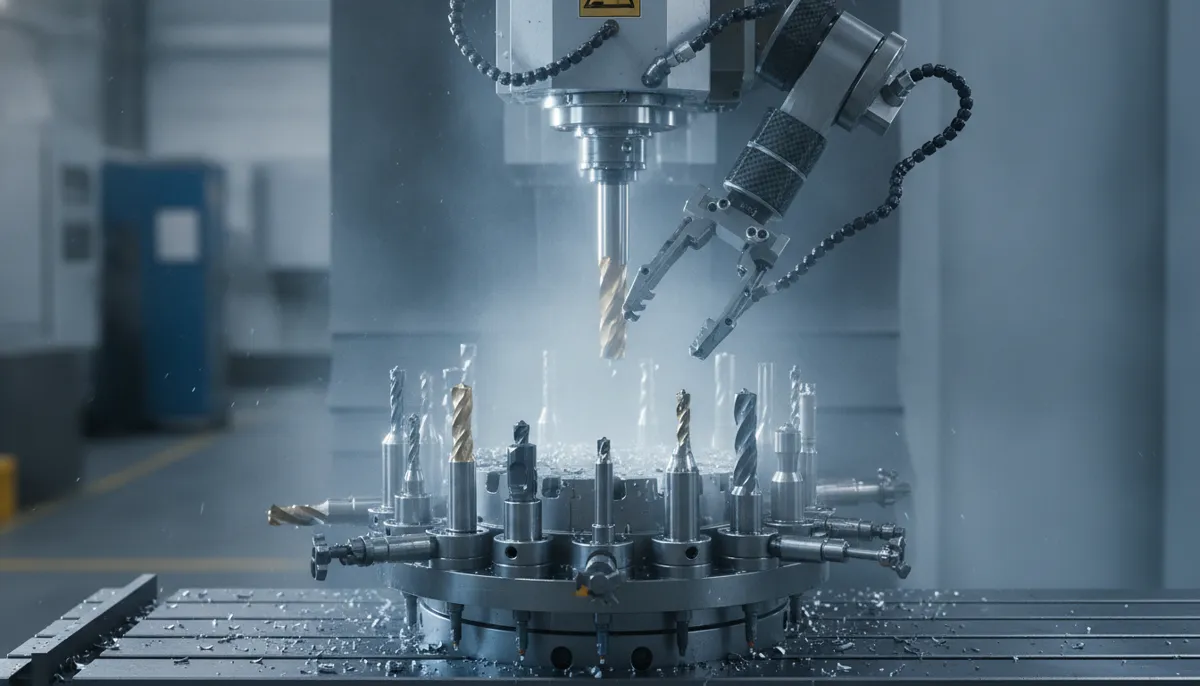
Manual CNC machines require constant operator attention for tool changes, part loading, and adjustments. An automatic CNC machine, equipped with automatic tool changers (ATC) and robotic part handling, can run unattended for hours — even overnight in lights-out mode. The performance gap is significant across every key metric: throughput, scrap rate, labor cost, and consistency.
QiaoFeng’s automatic CNC machines are CE and ISO 9001 certified, backed by a 2-year warranty on all components, and have been trusted by 750+ factories across Europe, North America, and Southeast Asia since our founding in 2010 in Daling Mountain Town, Dongguan, Guangdong.
3. Real-World Case Study: Precision Auto Parts Co.
Precision Auto Parts Co., a factory owner in Ohio, USA, was struggling with inconsistent quality and high labor costs. They operated 10 manual CNC machines, each requiring one operator per shift. After evaluating automatic CNC vs manual CNC, they replaced 5 manual machines with 3 QiaoFeng automatic CNC machines with ATC. The results after 12 months:
- Labor cost reduction: 60% (from 10 operators to 4)
- Production output increase: 40% (from 500 to 700 parts per day)
- Scrap rate drop: from 8% to 2%
- ROI achieved in 14 months
This case study illustrates the CNC automation ROI that factory owners can realistically expect when switching to automatic machines.
4. Comparison Table – Automatic CNC vs Manual CNC
| Feature | Automatic CNC Machine (QiaoFeng) | Manual CNC Machine |
|---|---|---|
| Tool Change Time | 2–3 seconds (ATC) | 30–60 seconds (manual) |
| Unattended Operation | Up to 8 hours | Requires constant operator |
| Labor Requirement | 1 operator per 3–4 machines | 1 operator per machine |
| Scrap Rate | <2% | 5–10% |
| Annual Maintenance Cost | ~$2,000 (reference only) | ~$1,500 (reference only) |
| Initial Investment | ~$80,000 (reference only) | ~$40,000 (reference only) |
| Warranty | 2-year full warranty | Varies by brand |
| Certification | CE + ISO 9001 | Varies |
* Pricing figures are indicative reference values only; actual pricing varies by configuration. Please contact us for a formal quotation.
While the initial investment for an automatic CNC machine is higher, the table shows that lower labor costs, higher throughput, and reduced scrap lead to a typical payback period of 12–18 months.
Want to Know Your Payback Period?
Get a free, personalized ROI analysis from QiaoFeng’s automation experts — no obligation.
5. Core Features and Real-World Benefits
5.1 Automatic Tool Changer (ATC)
The ATC allows the machine to switch between tools without operator intervention. This eliminates downtime for manual tool changes and enables complex parts to be machined in a single setup. In a typical production run, this feature alone can reduce cycle time by 20–30%.
5.2 Robotic Part Loading / Unloading
Integrated robotic arms load raw material and unload finished parts automatically. This not only speeds up the process but also ensures consistent positioning, reducing errors. Factories using this feature report a 50% reduction in operator handling time.
5.3 Real-Time Monitoring and Alerts
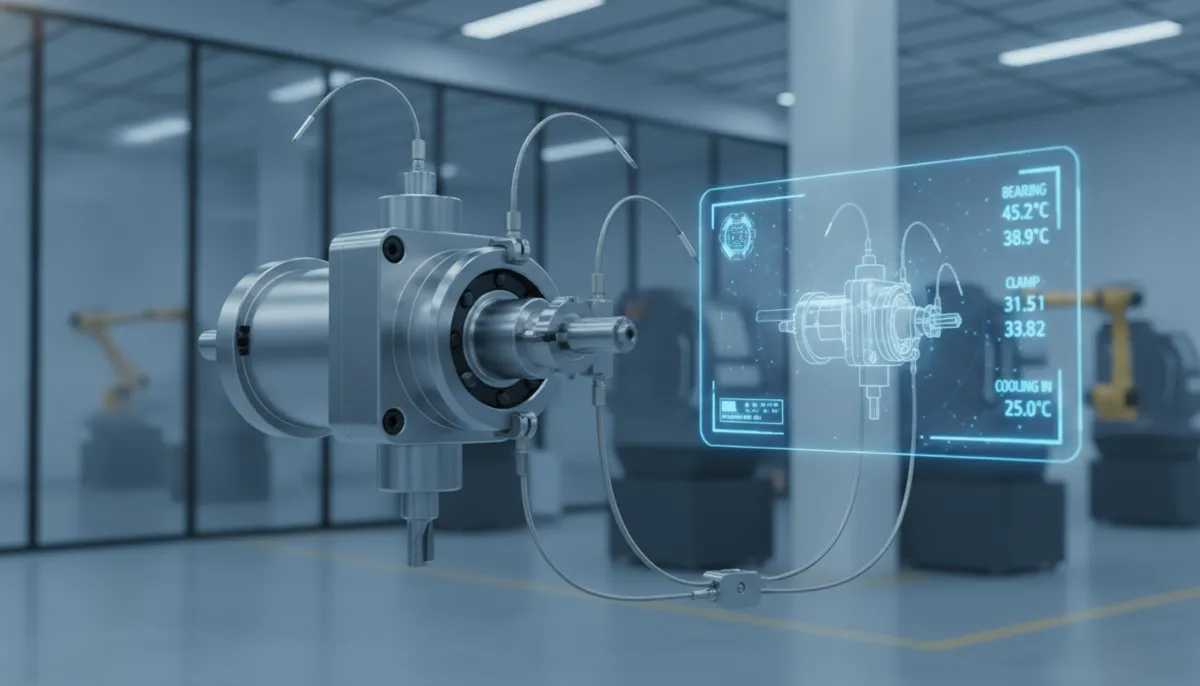
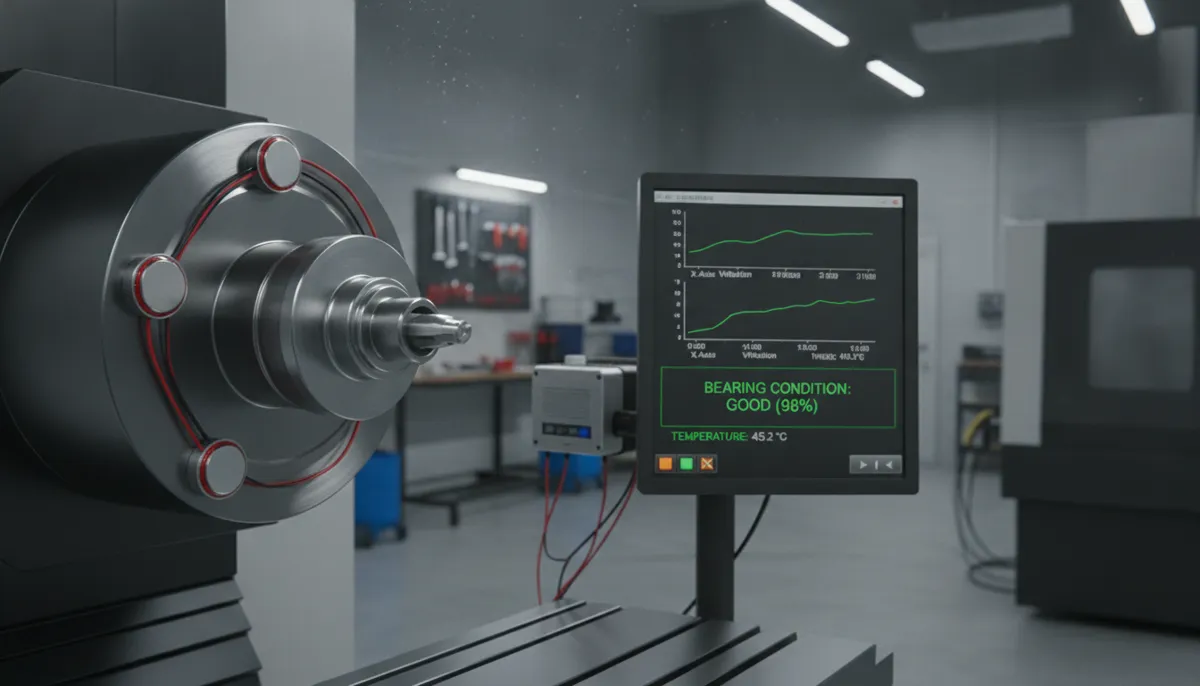
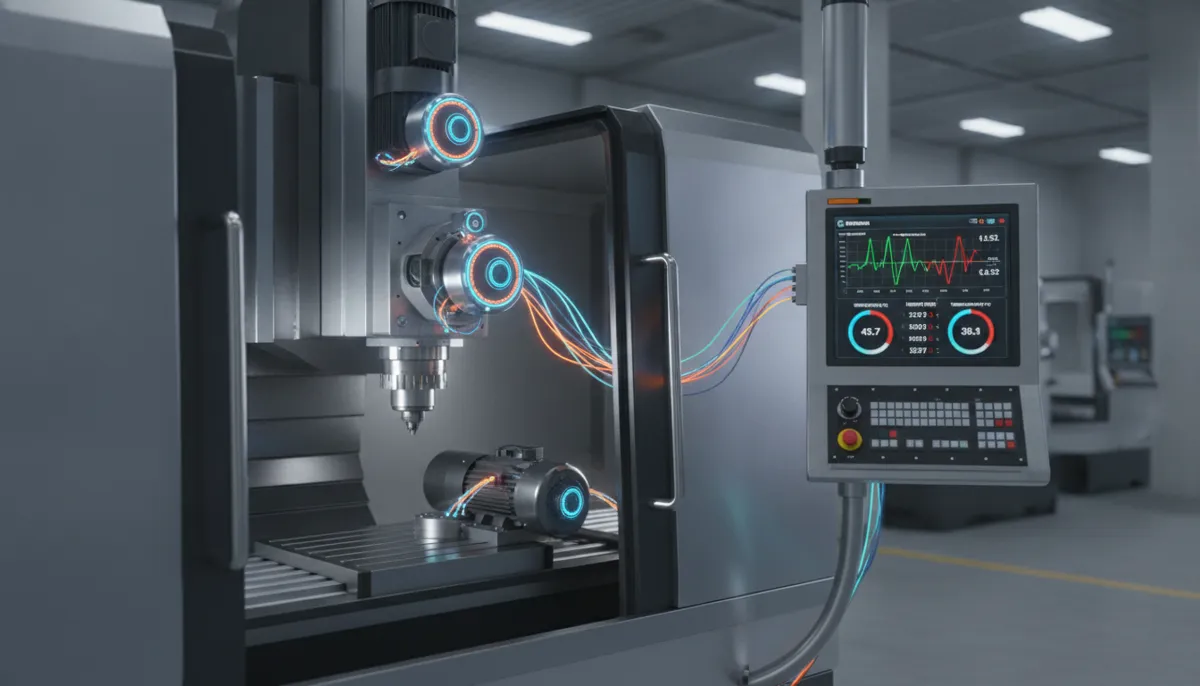
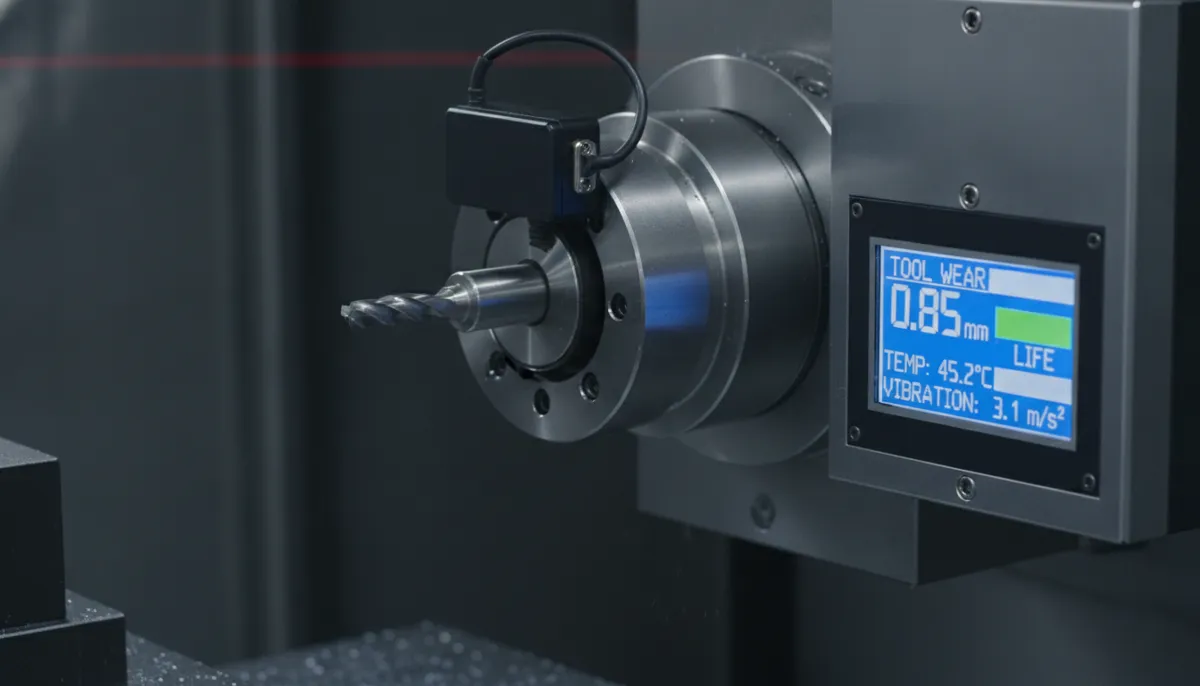
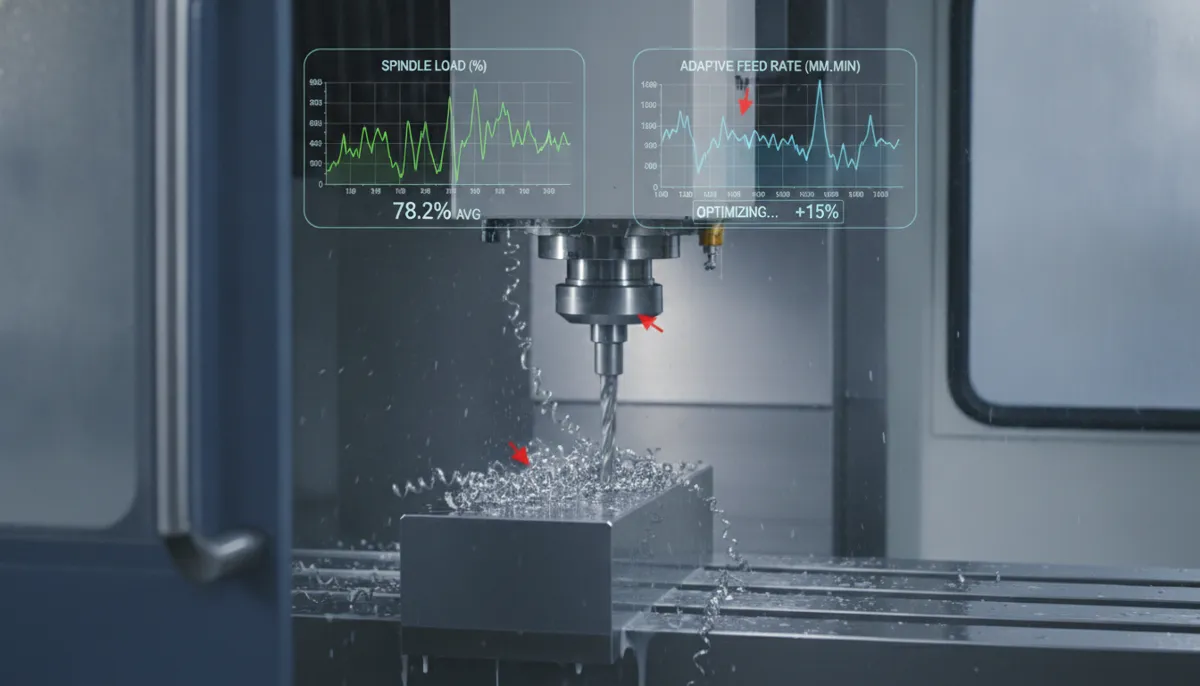
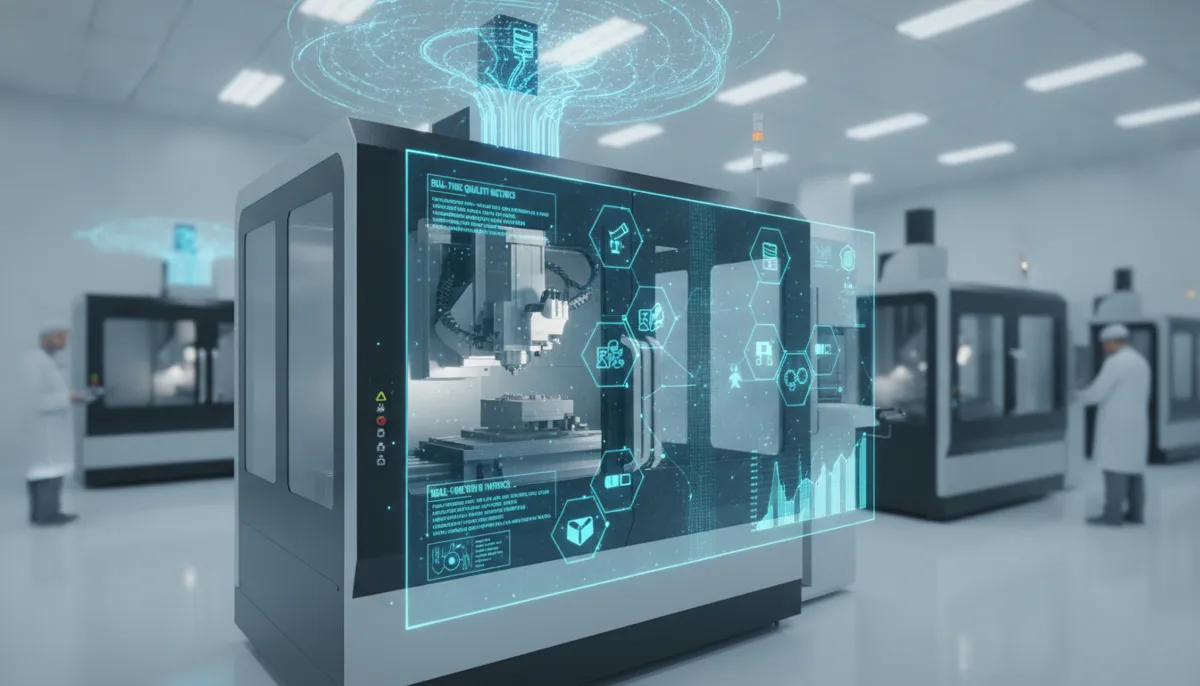
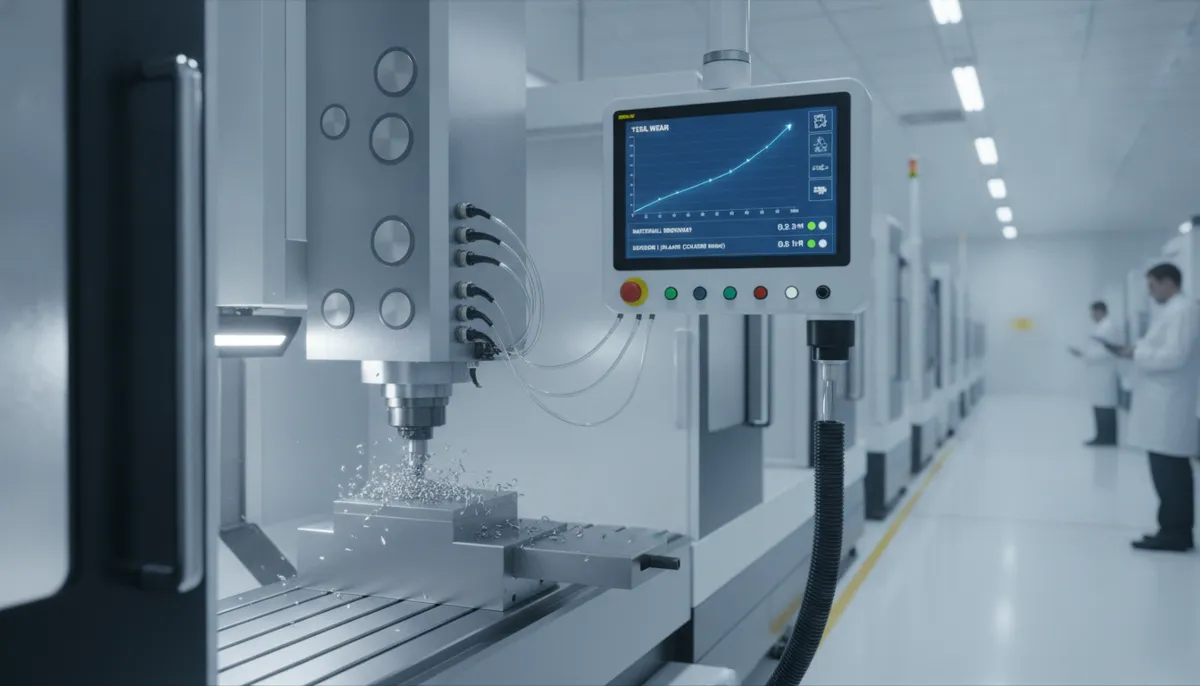
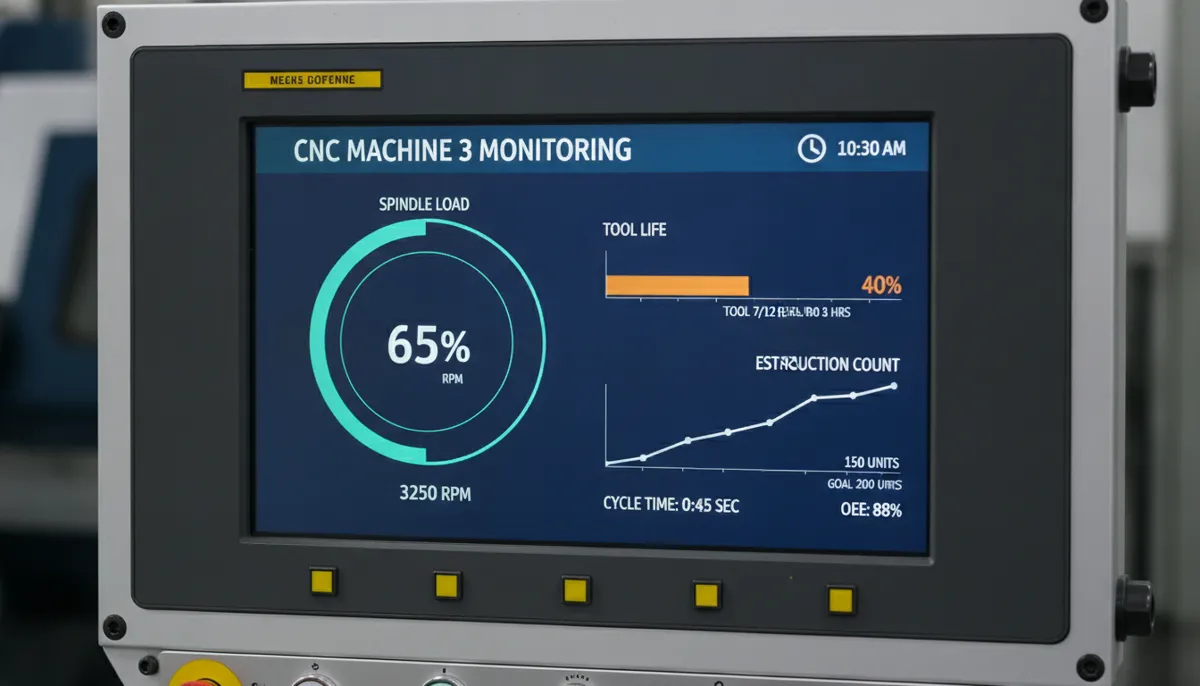
QiaoFeng’s automatic CNC machines come with IoT sensors that send real-time data to a central dashboard. Operators can monitor spindle load, tool wear, and production counts remotely. Alerts are sent via SMS or email if a tool breaks or a part is out of tolerance, minimizing downtime.
6. Use Cases for Automatic CNC Machines
6.1 High-Volume Automotive Parts Production
Pain Point: A tier-1 automotive supplier needed to produce 10,000 aluminum brackets per week with tight tolerances.
Solution: Three QiaoFeng automatic CNC machines with ATC and robotic loading now produce 12,000 brackets per week with 99.5% yield.
6.2 Medical Device Manufacturing
Pain Point: A medical device manufacturer faced high scrap rates on titanium implants due to manual tool change inconsistencies.
Solution: An automatic CNC machine with precision ATC and coolant-through-spindle reduced scrap from 12% to 1.5%, passing regulatory audits with ease.
6.3 Small-Batch Job Shops
Pain Point: A job shop struggled with frequent changeovers between different parts, losing hours each day.
Solution: QiaoFeng’s automatic CNC machine with quick-change pallet system reduced changeover time from 45 minutes to 5 minutes.
7. What Our Customers Say
“We replaced four aging manual machines with two QiaoFeng automatic CNC units at our Michigan facility. Within eight months, our per-part labor cost dropped by 55% and our reject rate went from 7% to under 2%. The ROI was faster than any capital investment we’ve made in the past decade.”
“As a precision engineering workshop in Stuttgart, quality consistency is non-negotiable for our aerospace clients. QiaoFeng’s ATC system and real-time monitoring dashboard gave us the traceability and repeatability we needed. We’ve since ordered three more machines — the 2-year warranty and responsive after-sales support sealed the deal.”
“We run a mid-sized CNC job shop in Ho Chi Minh City serving electronics and consumer goods manufacturers. Switching to QiaoFeng automatic CNC machines helped us cut changeover time dramatically and win larger contracts we couldn’t handle before.”
8. Pros and Cons: Automatic CNC vs Manual CNC
✅ Pros of Automatic CNC
- Lights-out / unattended operation up to 8 hours
- 2–3 second ATC vs 30–60 seconds manual
- 1 operator manages 3–4 machines
- Scrap rate consistently below 2%
- IoT real-time monitoring & remote alerts
- Faster ROI: typically 12–18 months
- CE + ISO 9001 certified; 2-year warranty
❌ Cons / Considerations
- Higher upfront investment (~2× manual)
- Slightly higher annual maintenance cost
- Requires operator training for ATC & IoT systems
- Not ideal for very low-volume, one-off prototyping
- Initial setup and integration takes time
9. Industry Expert Insight
“The shift from manual to automatic CNC machines is not just about speed; it’s about consistency and the ability to run lights-out. Factory owners who hesitate risk falling behind competitors who can produce more with fewer errors.”
— John Miller, Independent Manufacturing Consultant, 20+ years in CNC automation
10. Frequently Asked Questions
What is the typical ROI of an automatic CNC machine?
Most factories achieve full ROI within 12–18 months of switching from manual to automatic CNC machines, driven by labor cost reductions (often 50–60%), lower scrap rates, and increased throughput.
How long can an automatic CNC machine run unattended?
QiaoFeng’s automatic CNC machines with ATC and robotic part loading can run unattended for up to 8 hours, enabling true lights-out manufacturing overnight.
What warranty does QiaoFeng offer on automatic CNC machines?
All QiaoFeng automatic CNC machines come with a 2-year warranty covering all major components.
Which industries benefit most from automatic CNC machines?
The highest ROI is typically seen in automotive parts production, medical device manufacturing, aerospace components, and high-volume job shops.
Does QiaoFeng support customers in Europe and Southeast Asia?
Yes. QiaoFeng exports primarily to Europe, North America, and Southeast Asia. We provide remote technical support, spare parts logistics, and on-site commissioning assistance.
Ready to Upgrade to an Automatic CNC Machine?
Contact QiaoFeng today for a free factory assessment and personalized ROI analysis.
References
- Mordor Intelligence, CNC Machines Market Size, Share & Growth Trends Report, 2026. View Report →
- Grand View Research, CNC Machining and Turning Centers Market Size, Share & Trends Analysis Report, 2024–2030. View Report →
- Fortune Business Insights, CNC Machine Tools Market Size, Share & Industry Analysis, 2026–2034. View Report →
- Mordor Intelligence, Machining Centers Market Size, Share & Growth Trends Report, 2026. View Report →