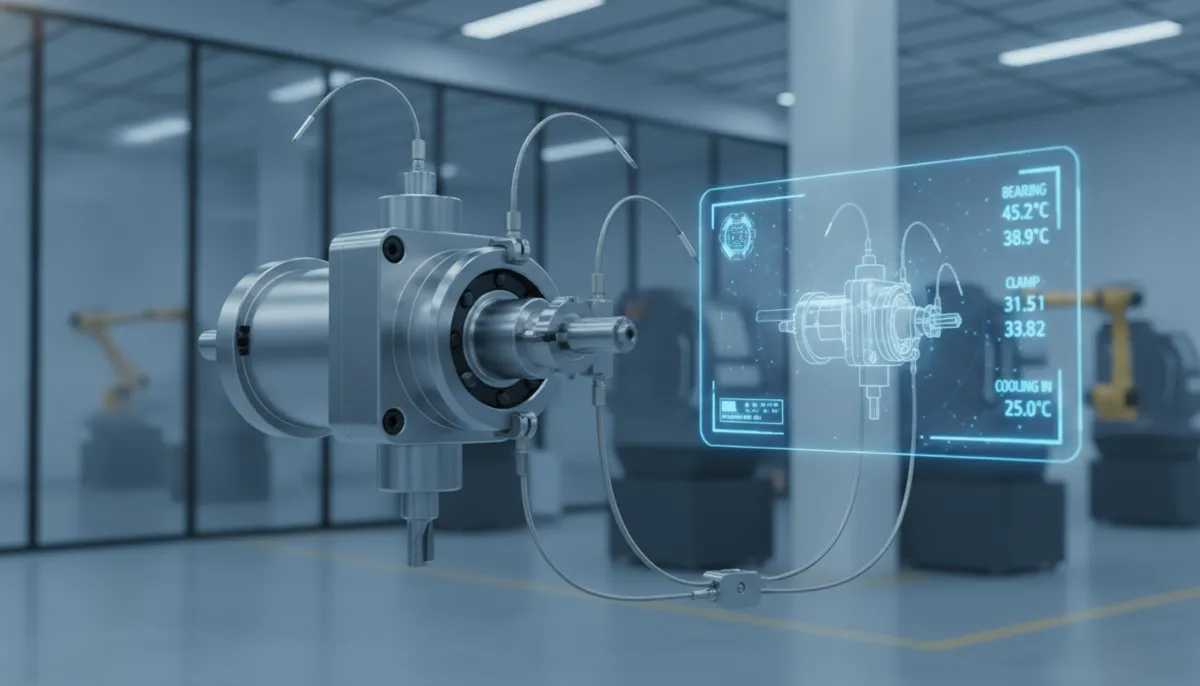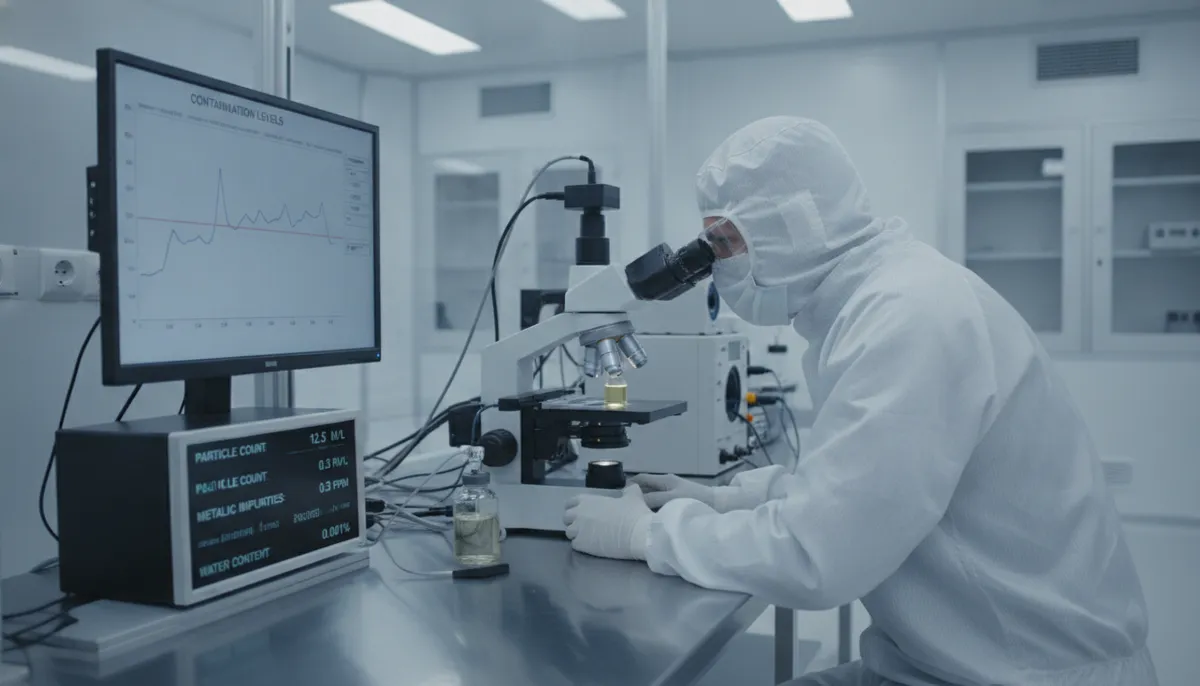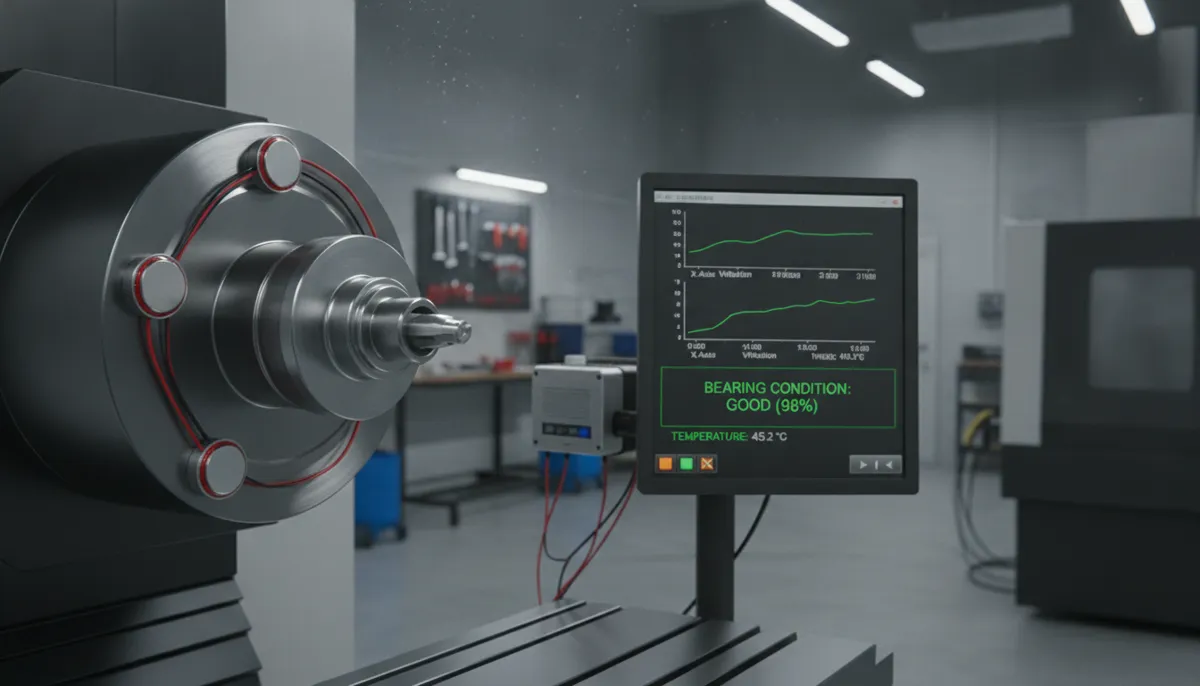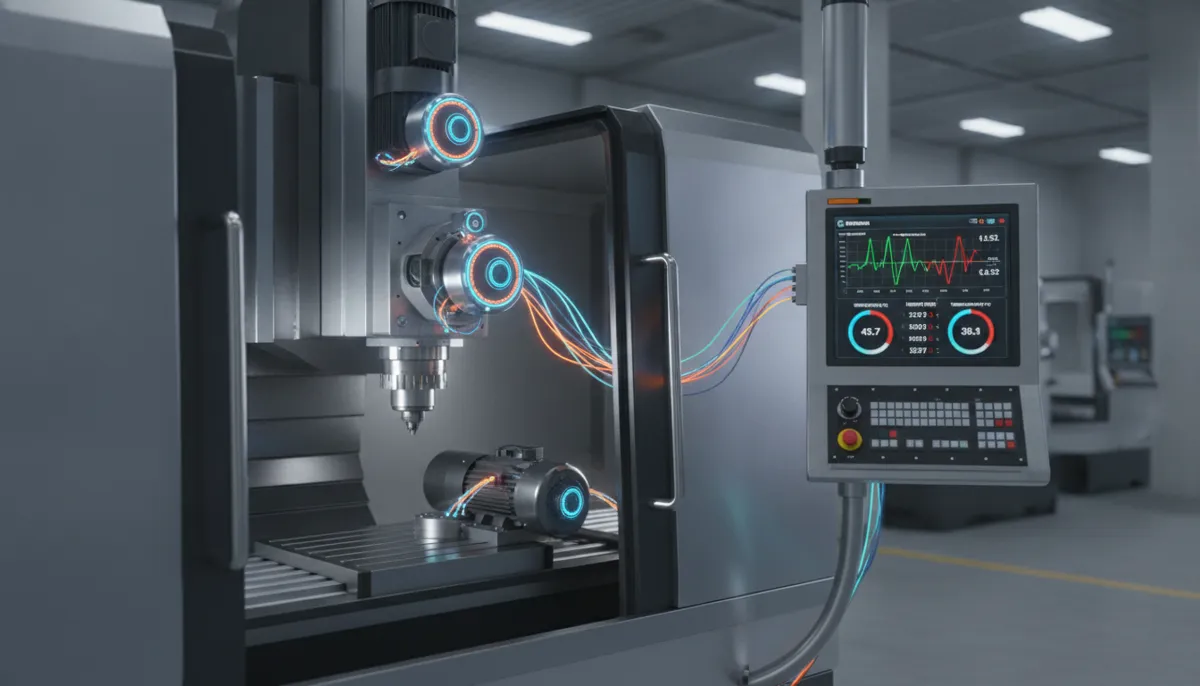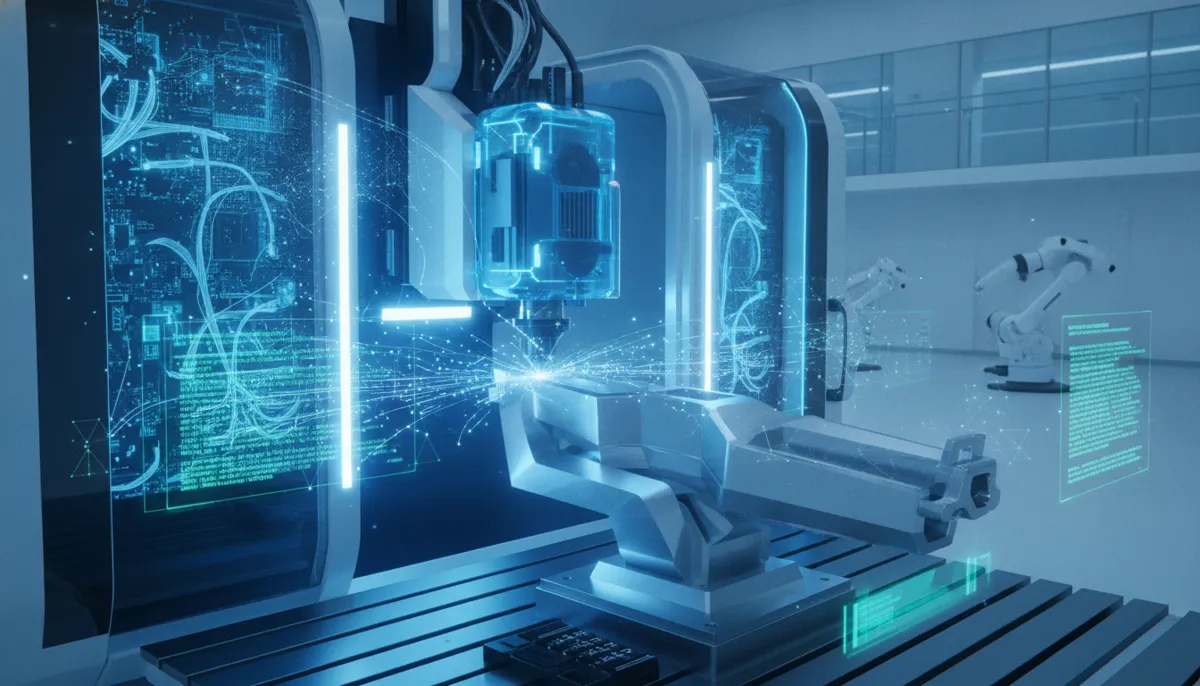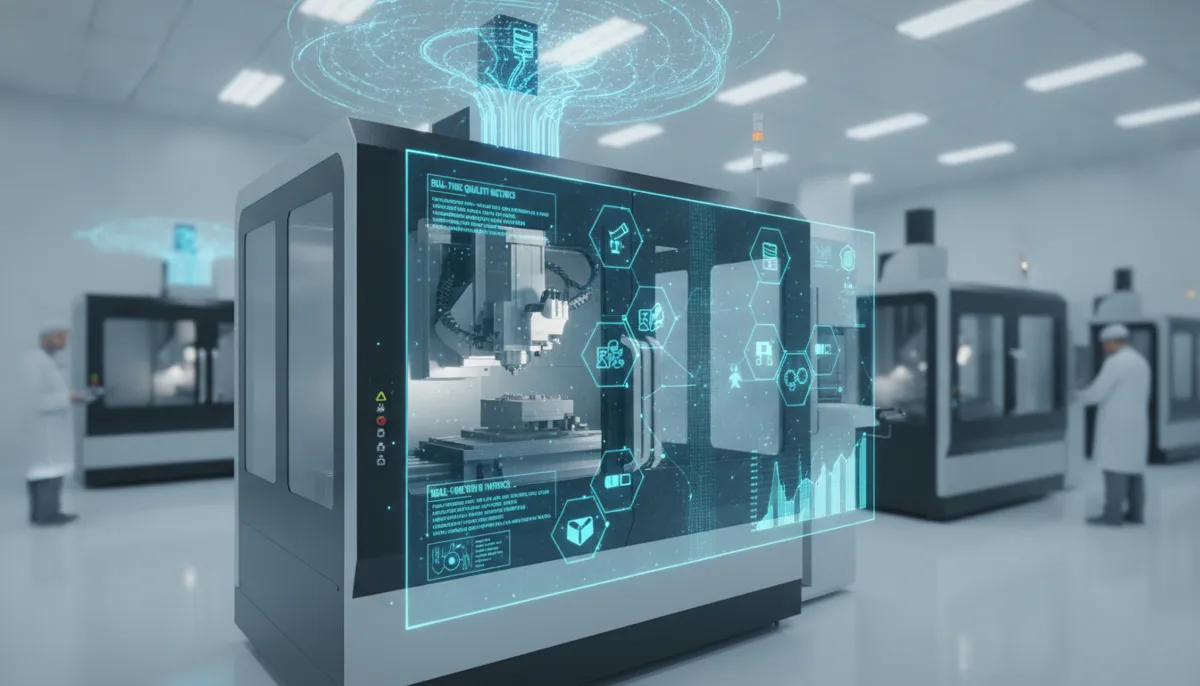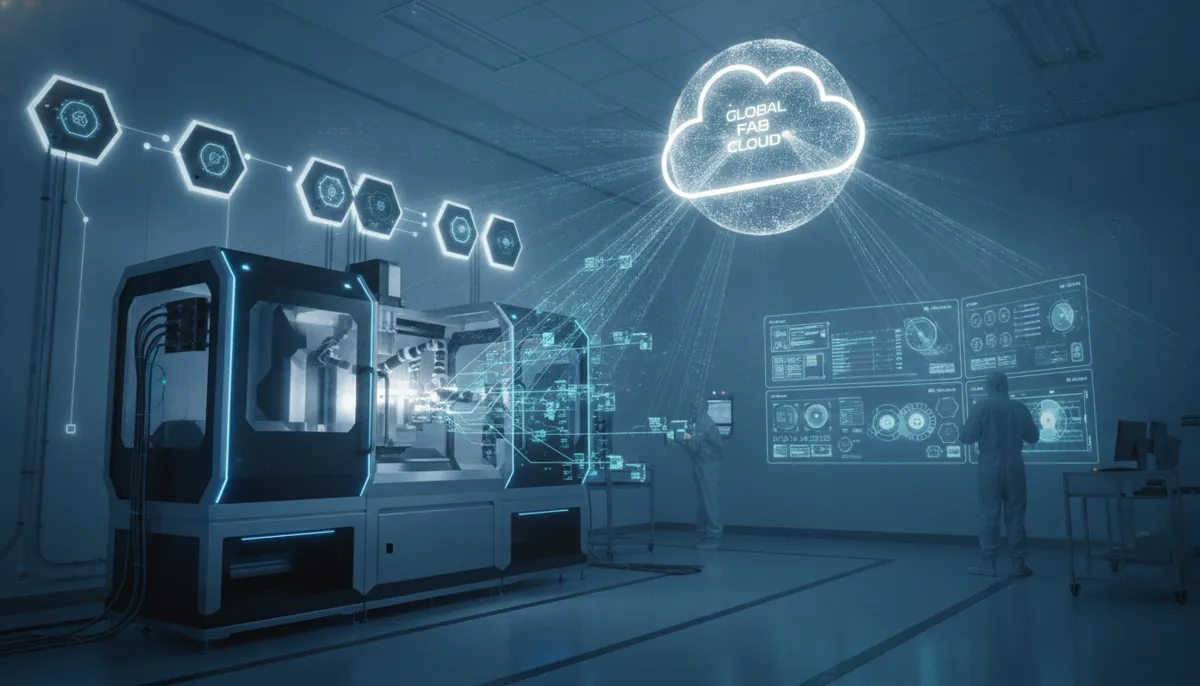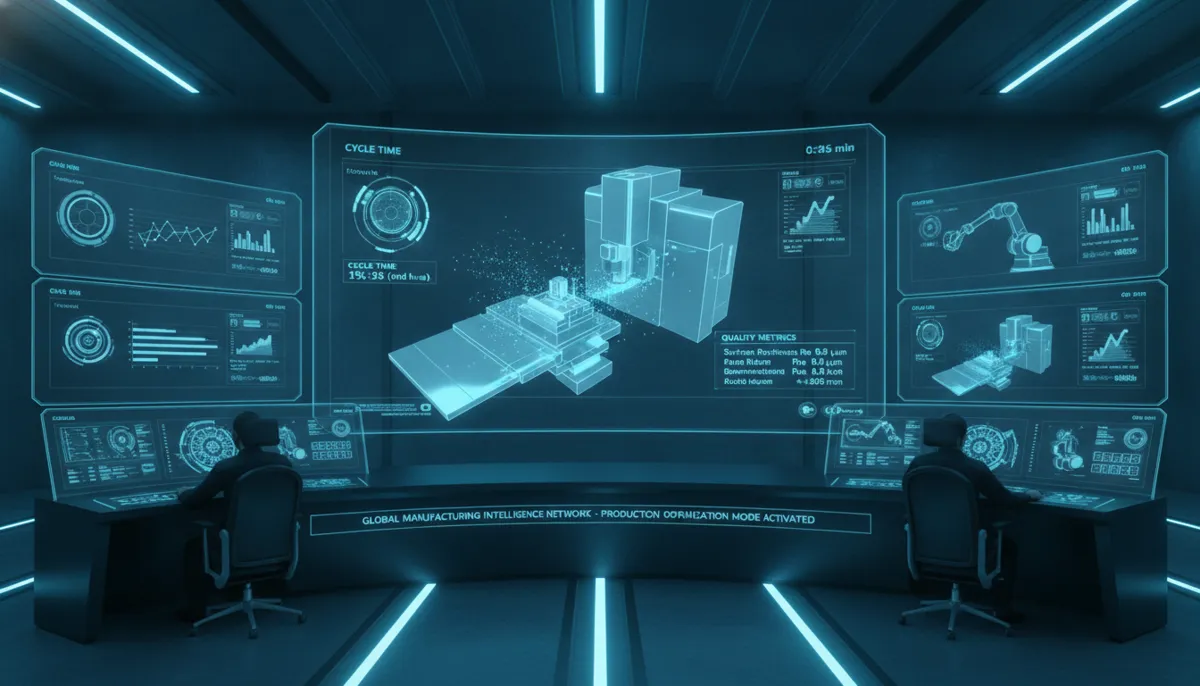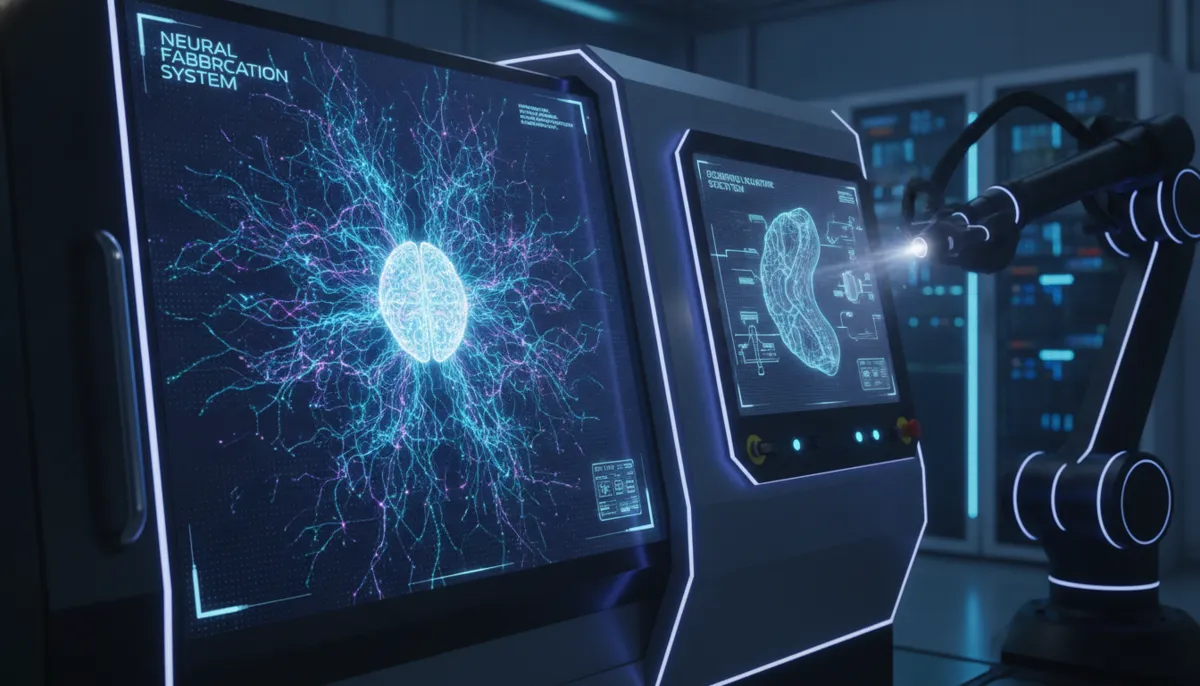
CNC neuromorphic computing is rapidly emerging as the ultimate paradigm shift in intelligent machining, mimicking the human brain’s neural architecture to achieve unprecedented levels of adaptive control. At QiaoFeng, established in 2010 and operating from our advanced facility in Dalingshan Town, Dongguan City, we are at the forefront of this revolution. We manufacture high-rigidity, precision CNC machining centers that serve as the perfect hardware foundation, fully capable of integrating with next-generation brain-inspired control systems to eliminate machining errors and maximize efficiency.
Industry Insights: The Rise of Brain-Inspired Manufacturing
The integration of advanced AI and neural processing into manufacturing is backed by robust data. According to the 2024 report by Mordor Intelligence, the Machining Centers Market is increasingly driven by the demand for autonomous, self-optimizing equipment. Furthermore, research by McKinsey & Company highlights that scaling AI in manufacturing operations can reduce machine downtime by up to 30%. Looking ahead, Gartner’s analysis on Neuromorphic Computing predicts that event-driven neural chips will soon replace traditional processors in edge AI applications, drastically reducing energy consumption while processing complex sensor data in real-time.
Why CNC Neuromorphic Computing Matters
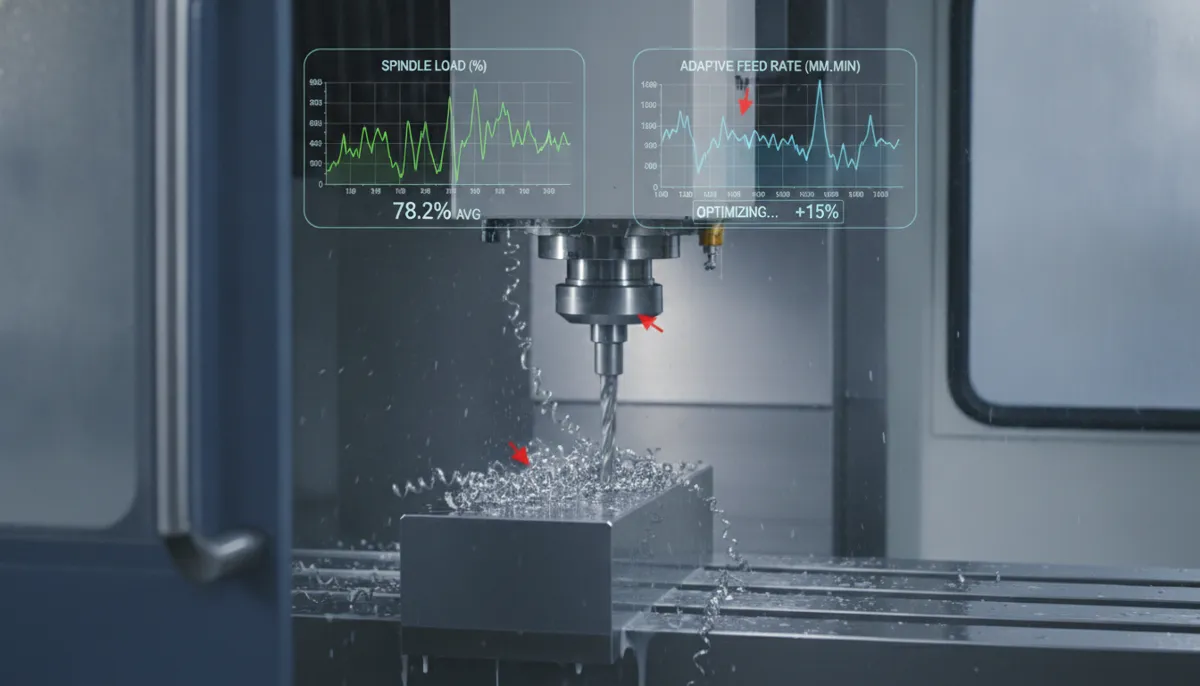
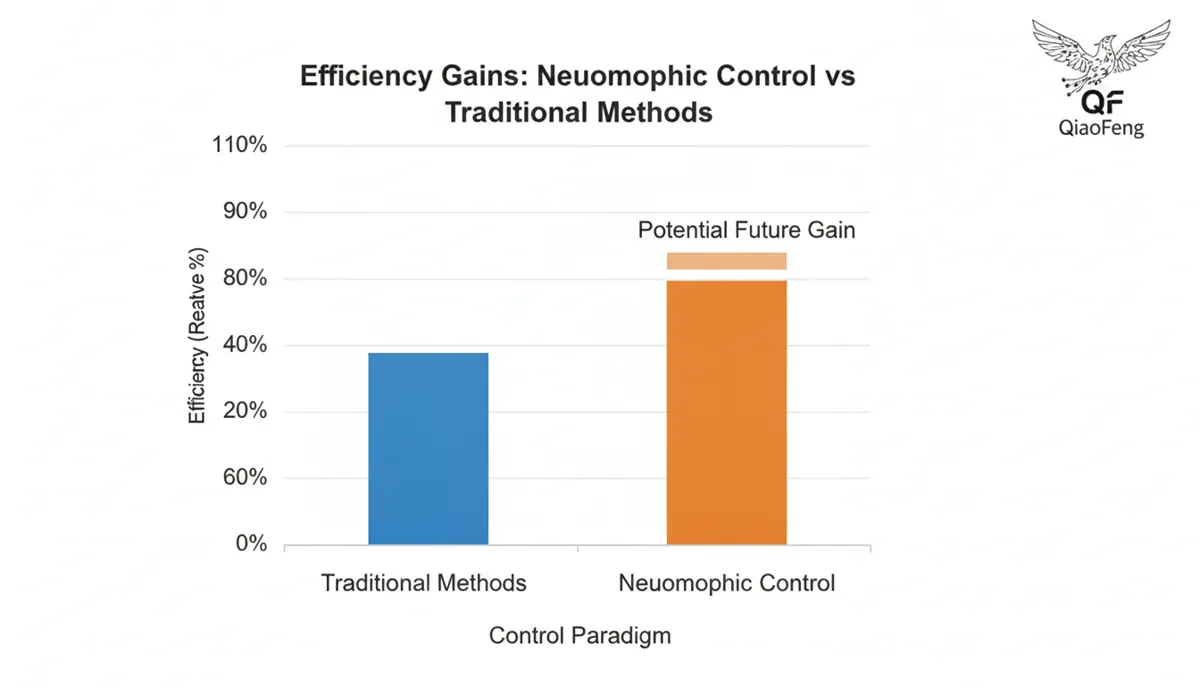
Traditional CNC controllers rely on rigid PID algorithms that struggle with dynamic variations in material hardness, temperature, and tool vibration. CNC neuromorphic computing, however, uses Spiking Neural Networks (SNNs) to process information in an “event-driven” manner. This means the system reacts instantly to sensor spikes (like a sudden vibration), learning and adjusting cutting parameters autonomously.
To harness this technology, the physical machine must be incredibly stable and equipped with high-fidelity sensors. QiaoFeng’s heavy-duty cast-iron beds and precision linear guides provide the exact mechanical stability required for neuromorphic algorithms to perform micro-adjustments without hardware-induced latency.
Traditional Control vs. Neuromorphic Integration
| Feature | Traditional CNC Control (PLC/PID) | CNC Neuromorphic Computing Integration |
|---|---|---|
| Data Processing | Clock-based, continuous processing | Event-driven (Spiking Neural Networks) |
| Adaptability | Fixed G-code and preset parameters | Real-time autonomous learning and adjustment |
| Power Consumption | High (constant CPU load) | Ultra-low (activates only on sensor spikes) |
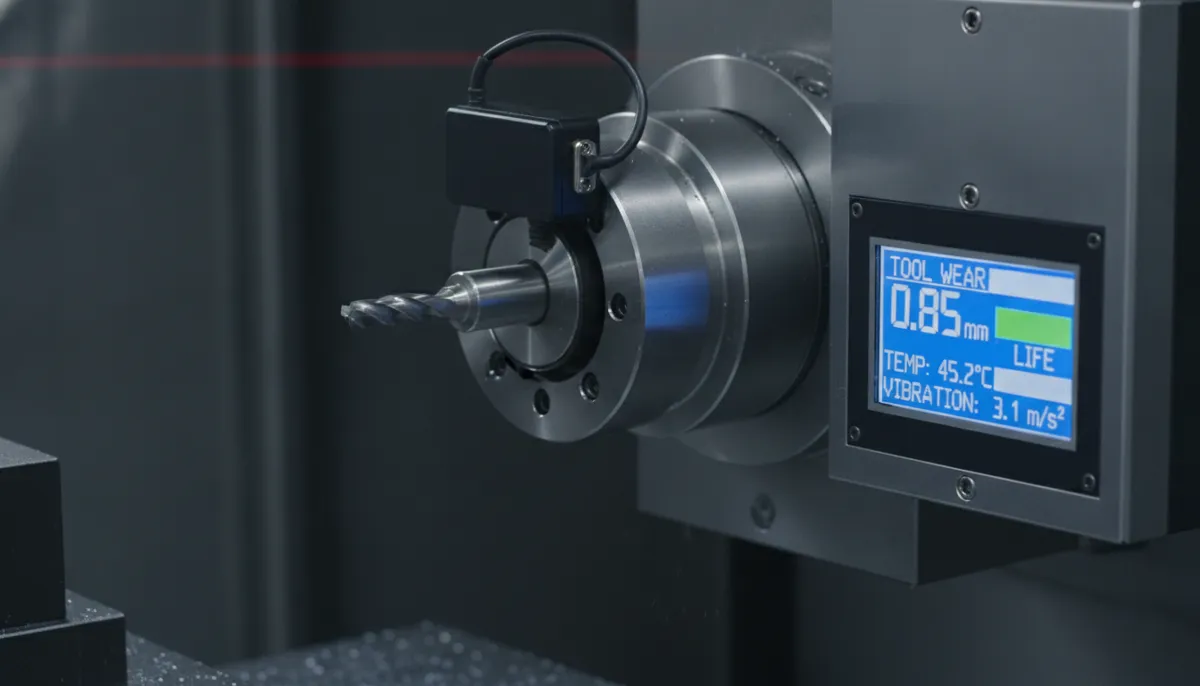
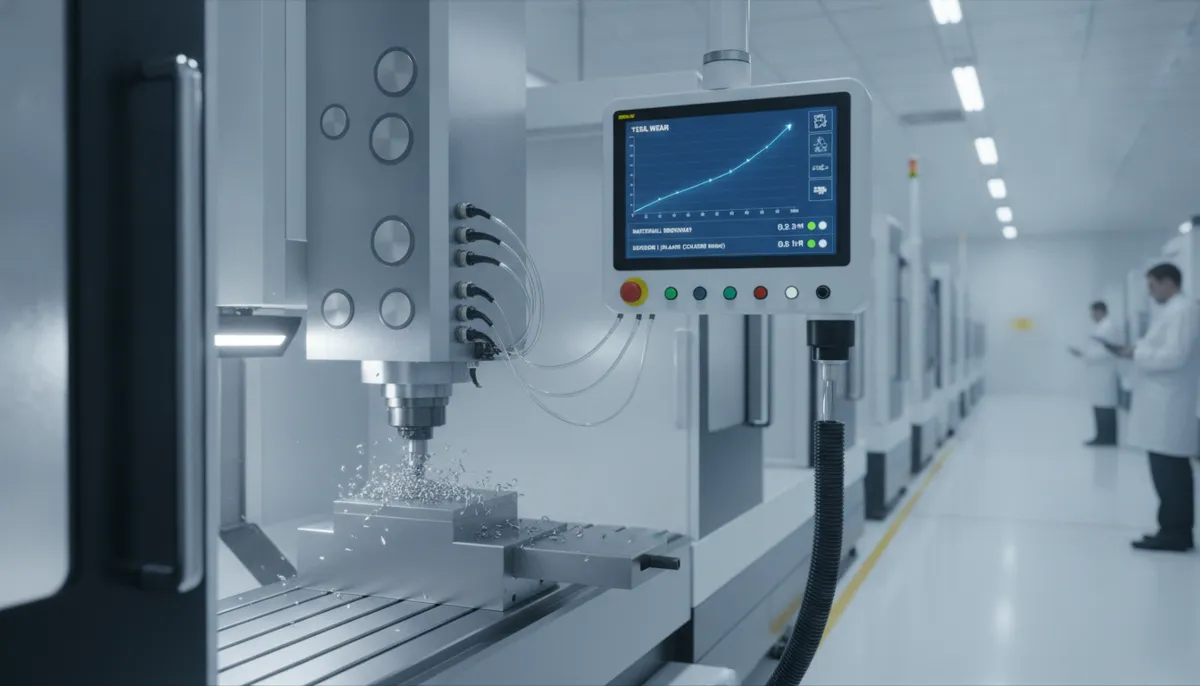
| Predictive Capability | Basic threshold alarms | Advanced pattern recognition for tool wear |
Global Success: Empowering 750+ Clients
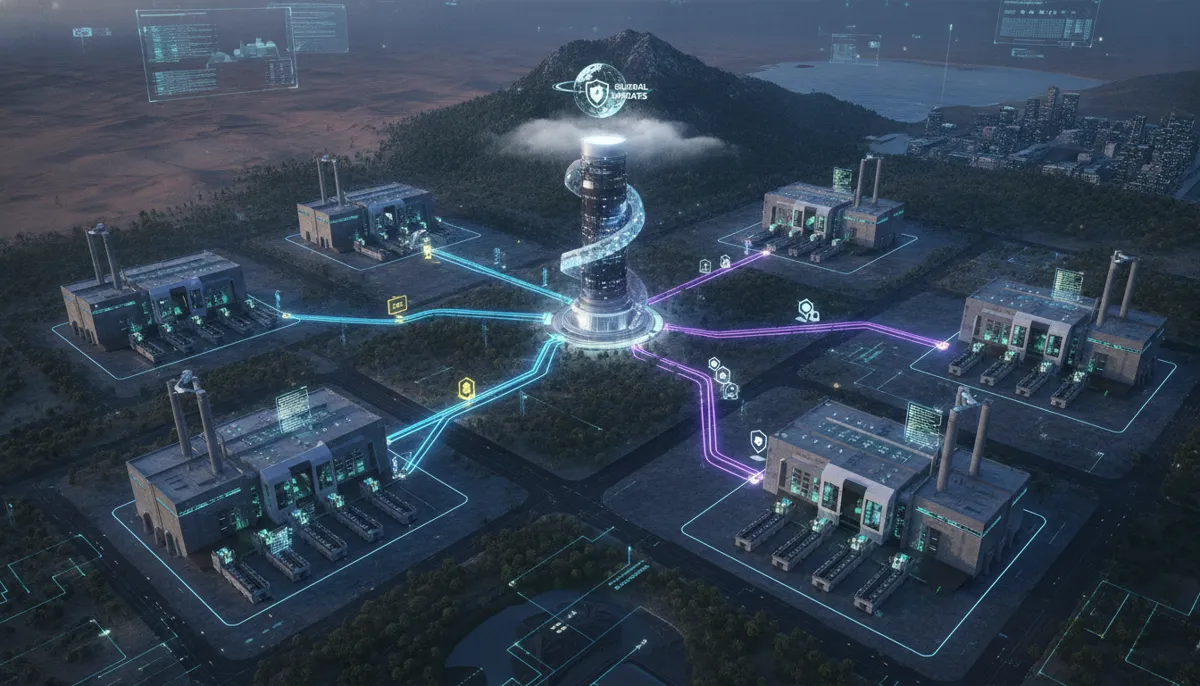
With over 750 satisfied clients globally, QiaoFeng provides the robust machining hardware required for modern digital and AI-driven factories. Here is how our equipment supports advanced manufacturing goals across different regions:
“Machining complex titanium aerospace components used to result in unpredictable chatter. QiaoFeng’s highly rigid 5-axis machines, integrated with our advanced sensor networks, provided the perfect platform for adaptive control, reducing our rejection rate to near zero.”
“We deal with varying batches of steel hardness in our automotive parts line. The structural integrity of QiaoFeng machines allows our smart controllers to dynamically adjust feed rates without compromising the surface finish.”
“Energy efficiency and precision are critical in electronics manufacturing. QiaoFeng’s equipment seamlessly integrated into our smart factory layout, helping us leverage edge-computing for real-time tool wear prediction.”
Pros of Neuromorphic Integration
- Sub-millisecond reaction to machining anomalies
- Massive reduction in energy consumption
- Extends tool life through autonomous optimization
Implementation Challenges
- Requires high-end, highly rigid machine tools (like QiaoFeng)
- Advanced sensor integration increases initial setup costs
- Requires specialized engineers for network architecture
Frequently Asked Questions
What exactly is CNC neuromorphic computing?
CNC neuromorphic computing refers to the application of brain-inspired computer chips (which mimic biological neural networks) to process real-time sensor data from a CNC machine. This allows the machine to “feel” the cutting process and adjust parameters instantly, much like human reflexes.
Are QiaoFeng machines ready for this technology?
Yes. While we manufacture the physical machine tools, our high-end CNC centers are designed with open-architecture controllers and extensive sensor integration points. This makes them the ideal hardware platform for research institutes and advanced manufacturers looking to deploy neuromorphic control systems.
How does this differ from standard AI in machining?
Standard AI often relies on cloud computing or heavy GPUs, which introduces latency. Neuromorphic computing happens “on the edge” (directly at the machine) using event-driven spikes, making it exponentially faster and more energy-efficient for real-time machining adjustments.
Build Your Intelligent Factory with QiaoFeng
Advanced control algorithms require uncompromising machine rigidity. Partner with QiaoFeng to get the high-precision CNC hardware your smart factory needs.
References
- Mordor Intelligence. (2024). Machining Centers Market Size, Share & Growth Trends Report.
- McKinsey & Company. (2023). Scaling AI in manufacturing operations: A practitioner’s perspective.
- Gartner. (2023). What Is Neuromorphic Computing?.