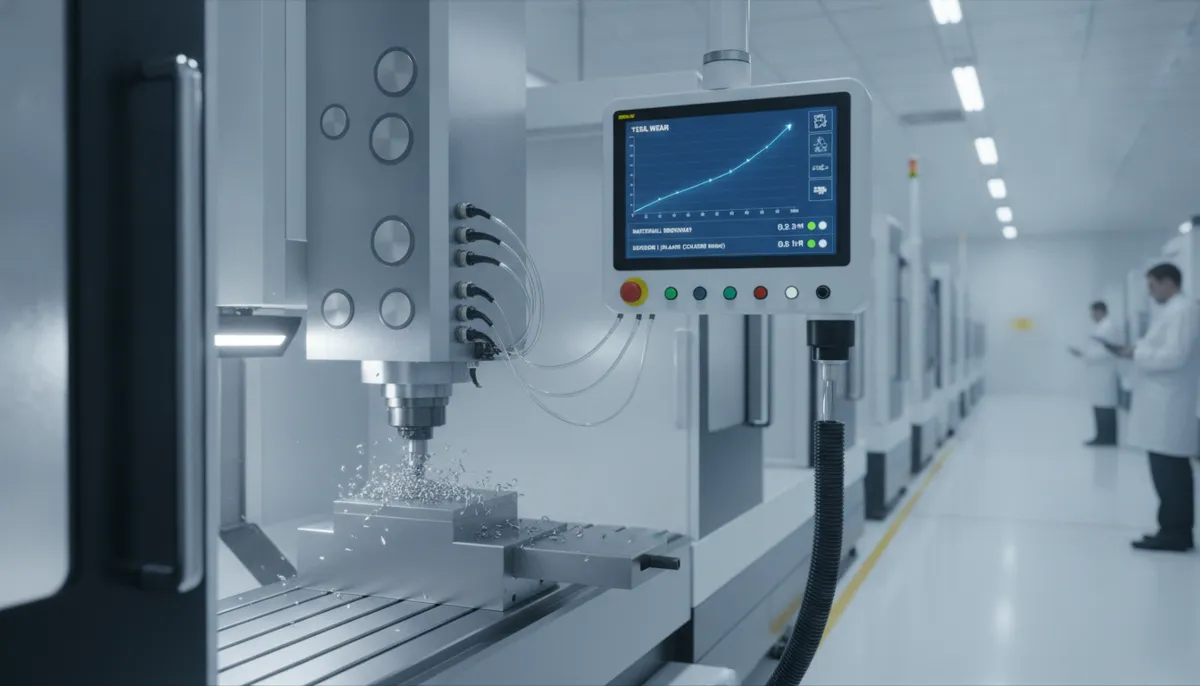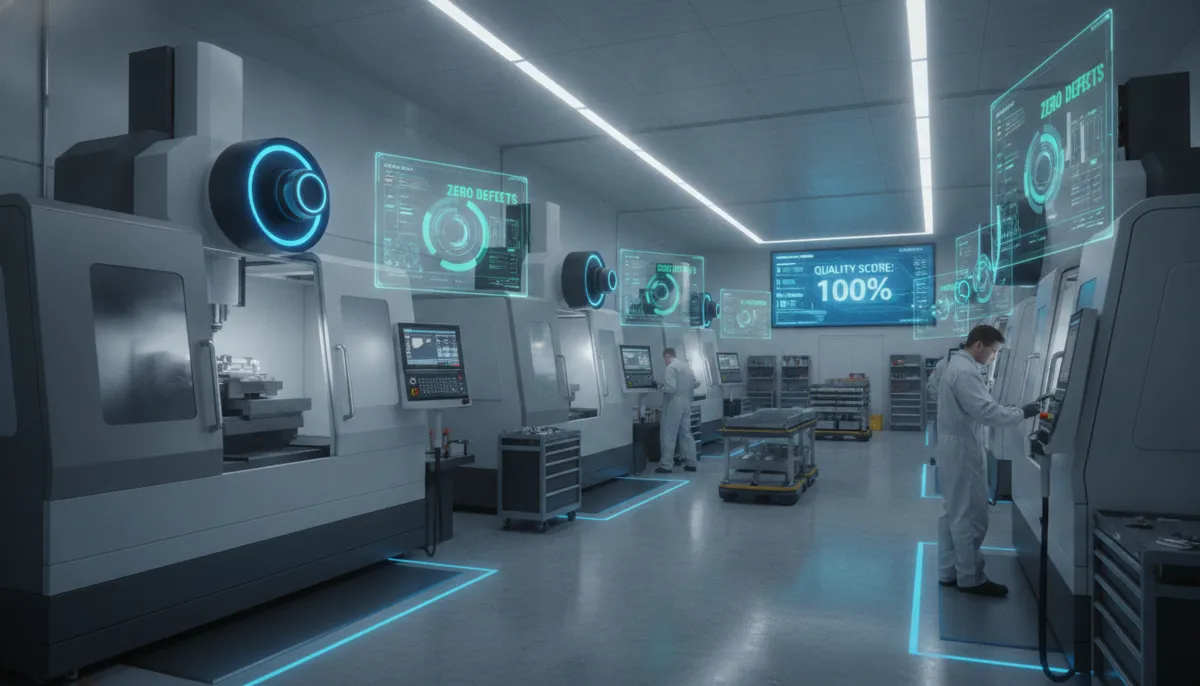
In today’s highly competitive manufacturing landscape, achieving CNC zero defect quality is no longer just a luxury—it is an absolute necessity. Whether you are machining critical aerospace components or intricate medical devices, a single flawed part can lead to catastrophic failures and severe financial losses. At QiaoFeng, established in 2010 and located in Dalingshan Town, Dongguan City, we have spent years engineering robust machining centers that help our clients approach this perfect standard. By combining high-rigidity machine structures with advanced error-proofing integrations, we empower our clients to minimize scrap and maximize profitability.
Industry Insights: The Drive for Perfect Quality
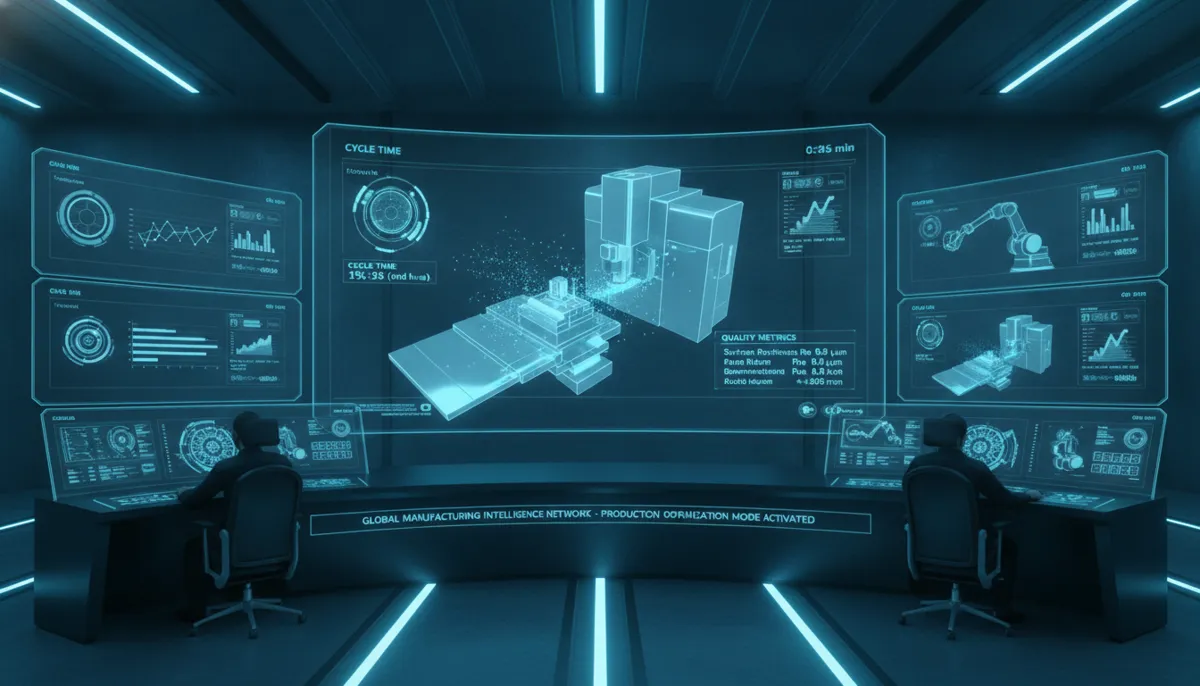
The global push towards flawless manufacturing is backed by significant data. According to a 2024 report by Mordor Intelligence, the Machining Centers Market is increasingly driven by the demand for automated quality control. Furthermore, a recent study by Deloitte on Smart Manufacturing emphasizes that predictive maintenance and real-time monitoring are reducing defect rates by up to 20% across top-tier facilities. McKinsey & Company also notes that digital quality management is a primary differentiator for B2B suppliers today.
Core Methods of a CNC Zero Defect Strategy
Implementing a CNC zero defect strategy requires a holistic approach that goes beyond simply measuring parts after they are finished. It involves building quality into the process itself:
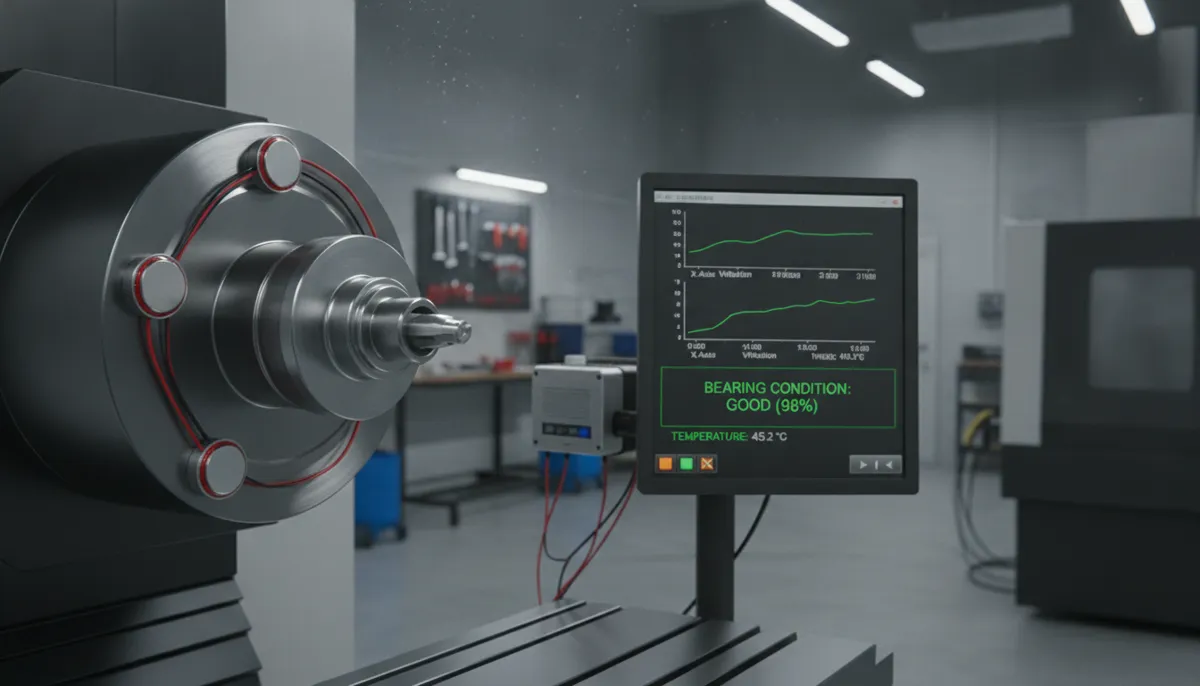
- High-Rigidity Machine Design: The foundation of zero defects starts with the machine. QiaoFeng’s cast-iron beds and precision linear guides minimize vibration, ensuring that the first cut is as accurate as the ten-thousandth.
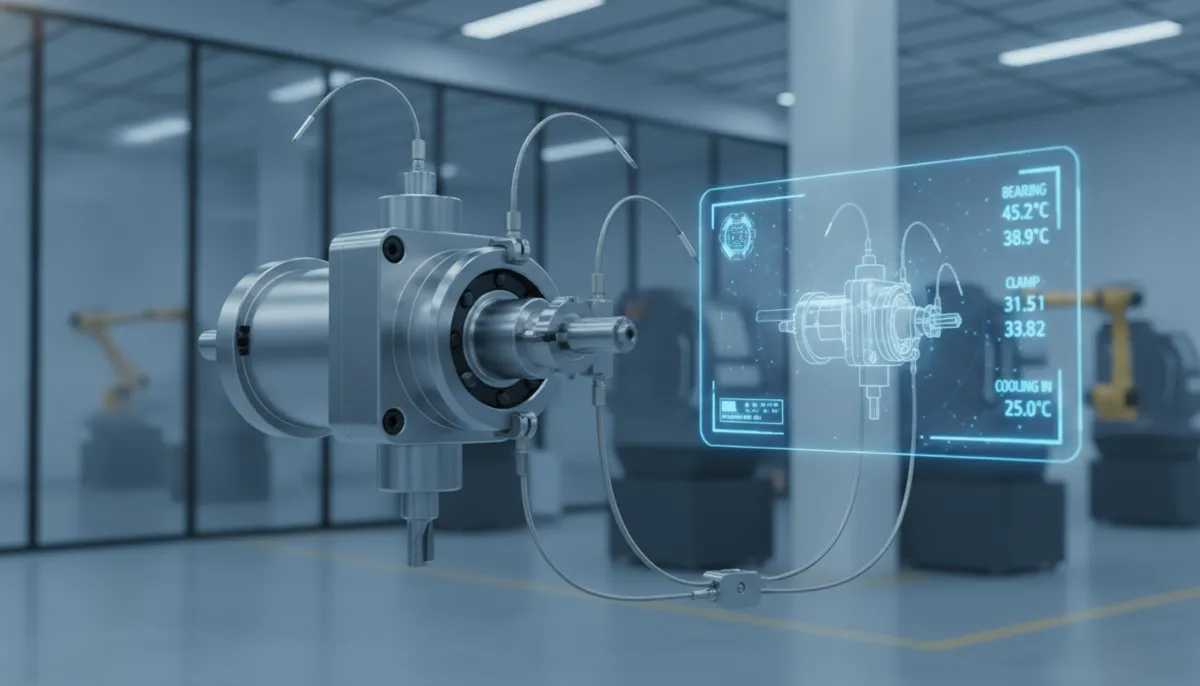
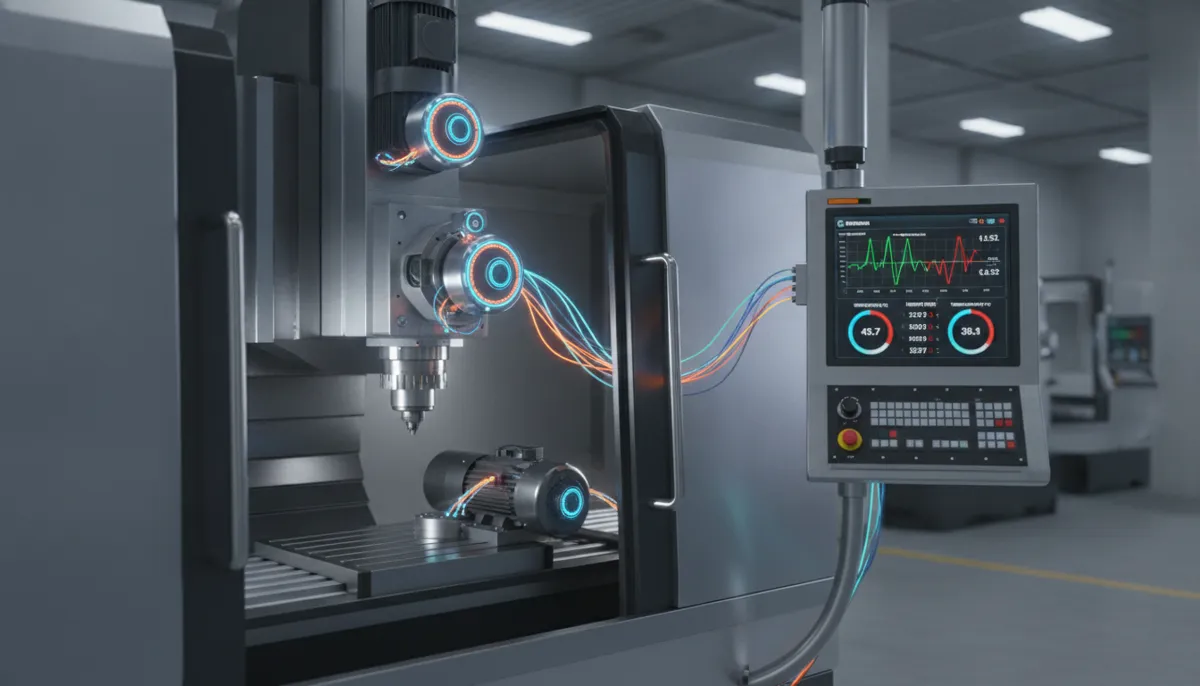
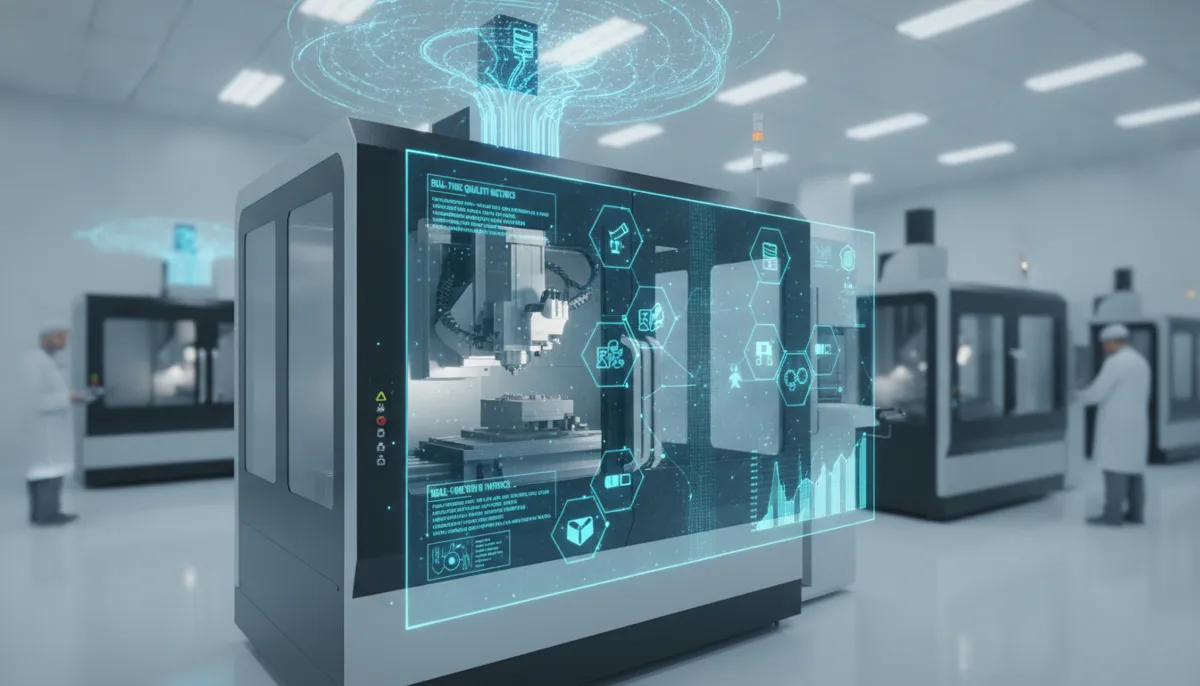
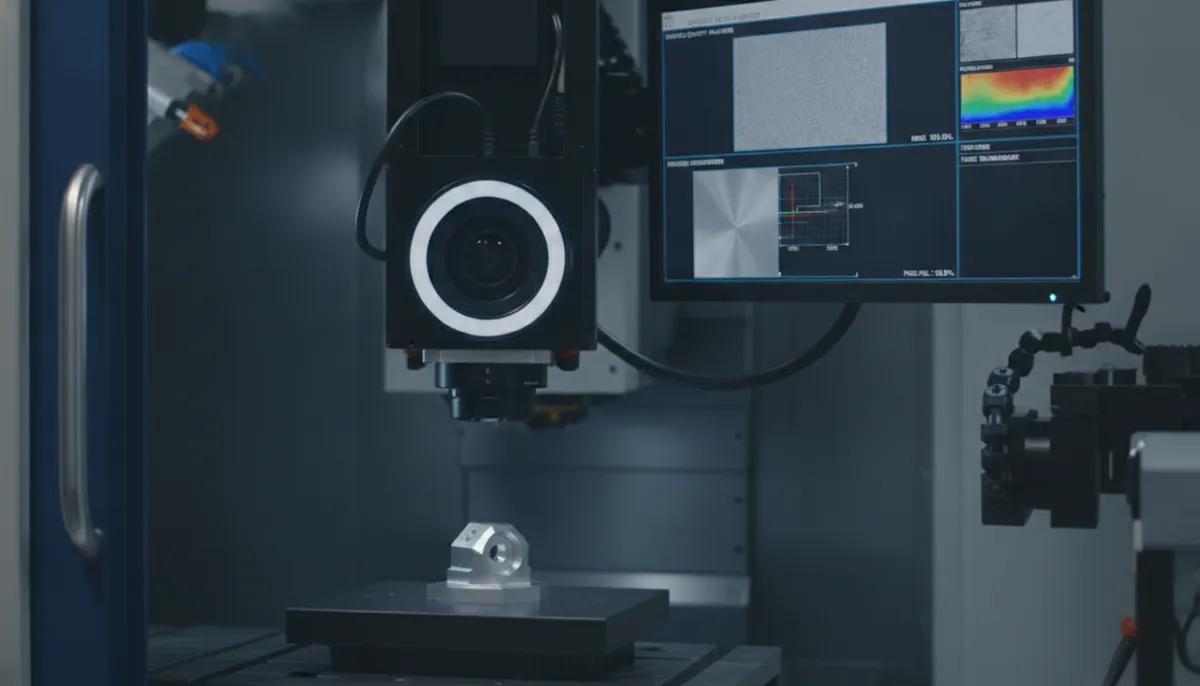
- In-Process Probing & Vision Inspection: Integrating spindle probes and high-resolution cameras allows for real-time measurement. Deviations are caught instantly, preventing the tool from continuing a flawed toolpath.
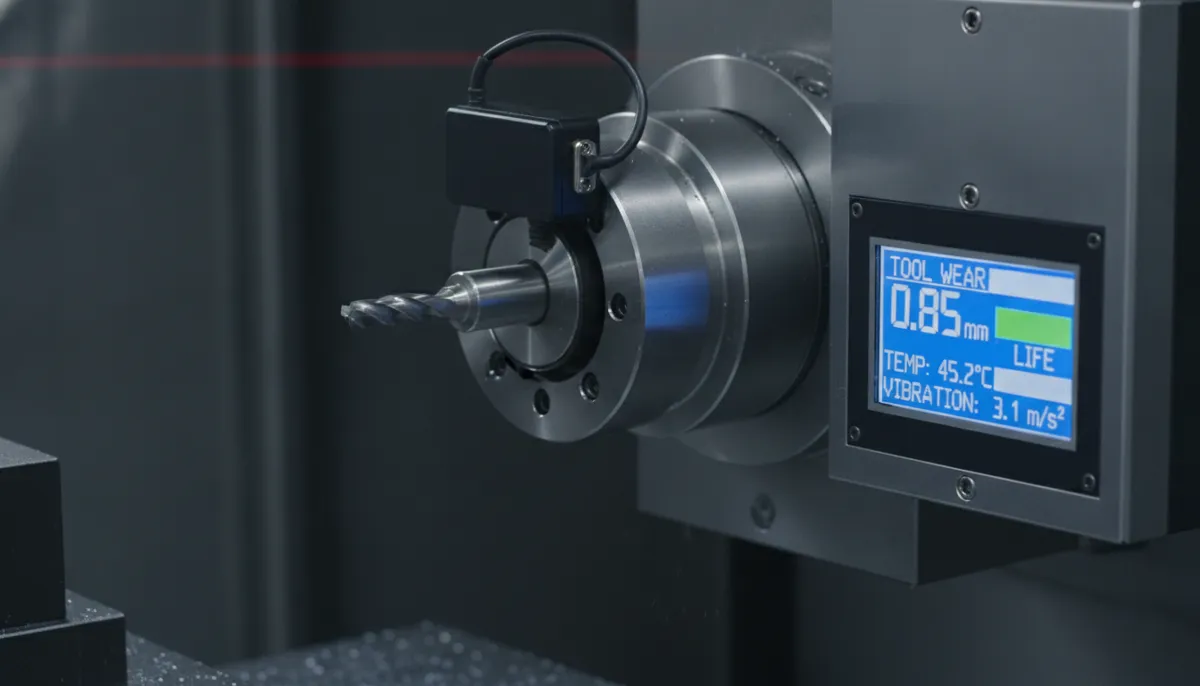
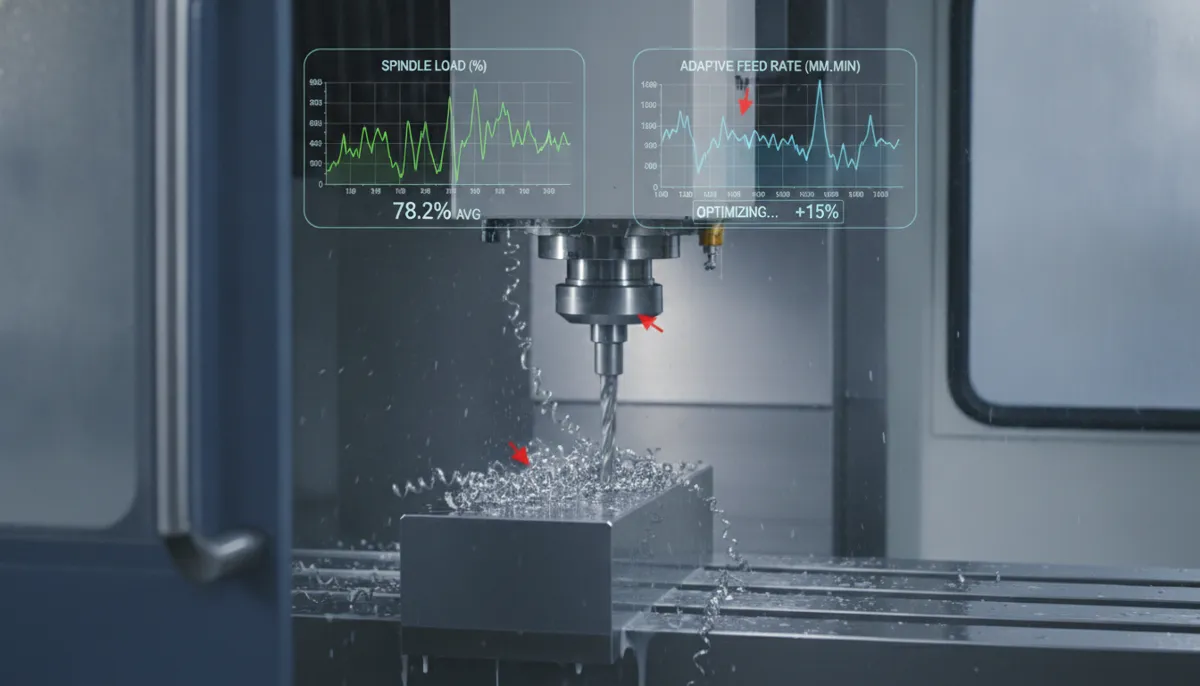
- Predictive Tool Management: By monitoring spindle load and cutting hours, operators can replace tools before they chip or wear out, eliminating surface finish defects caused by dull tooling.
- Poka-Yoke (Error-Proofing): Utilizing RFID tags on tool holders and automated workpiece clamping ensures that human error during setup is virtually eliminated.
Traditional QC vs. CNC Zero Defect Approach
| Feature | Traditional Quality Control | CNC Zero Defect Manufacturing |
|---|---|---|
| Inspection Timing | Post-process (after the part is finished) | In-process (real-time monitoring) |
| Defect Handling | Sort out bad parts, rework or scrap | Prevent defects before they occur |
| Tool Wear Strategy | Change when parts fail inspection | Predictive changes based on data/load |
| Overall Cost | High scrap and manual labor costs | Higher initial setup, massive long-term savings |
Global Success: Empowering 750+ Clients
With over 750 satisfied clients globally, QiaoFeng’s reliable machinery has become the cornerstone of quality for many demanding industries. Here is how our equipment supports their CNC zero defect goals:
“To maintain our aerospace contracts in the US, we cannot afford a single dimensional error. The thermal stability and probing integration on QiaoFeng’s 5-axis machines helped us drop our scrap rate to near zero.”
“Manufacturing titanium bone screws requires absolute consistency. QiaoFeng’s equipment provided the rigid foundation we needed to pass our stringent medical audits without a hitch.”
“In the fast-paced electronics sector, high-mix production used to mean frequent setup errors. The automated tool management on our QiaoFeng centers acts as a perfect error-proofing system.”
Pros of a Zero Defect Strategy
- Drastically reduces material waste and rework costs
- Builds immense trust with high-end B2B buyers
- Increases Overall Equipment Effectiveness (OEE)
Implementation Challenges
- Requires investment in probing and inspection tools
- Demands strict adherence to standard operating procedures
- Operators need training on predictive maintenance
Frequently Asked Questions
What exactly is CNC zero defect manufacturing?
It is a proactive manufacturing philosophy. Instead of accepting a certain percentage of bad parts, it uses rigid machinery, real-time inspection, and error-proofing to ensure every single part machined meets the exact specifications.
How does QiaoFeng help clients achieve aerospace and medical certifications?
While QiaoFeng is an ISO 9001:2015 certified machine builder, our true value lies in the performance of our equipment. The extreme precision, repeatability, and integration capabilities of our CNC machines provide the reliable foundation our clients need to successfully pass stringent audits for AS9100D (aerospace) and ISO 13485 (medical devices).
Is this strategy viable for small job shops?
Absolutely. While large factories use fully automated vision systems, small shops can achieve CNC zero defect results by utilizing spindle probes, strict tool life management, and standardizing their setup procedures on reliable QiaoFeng machines.
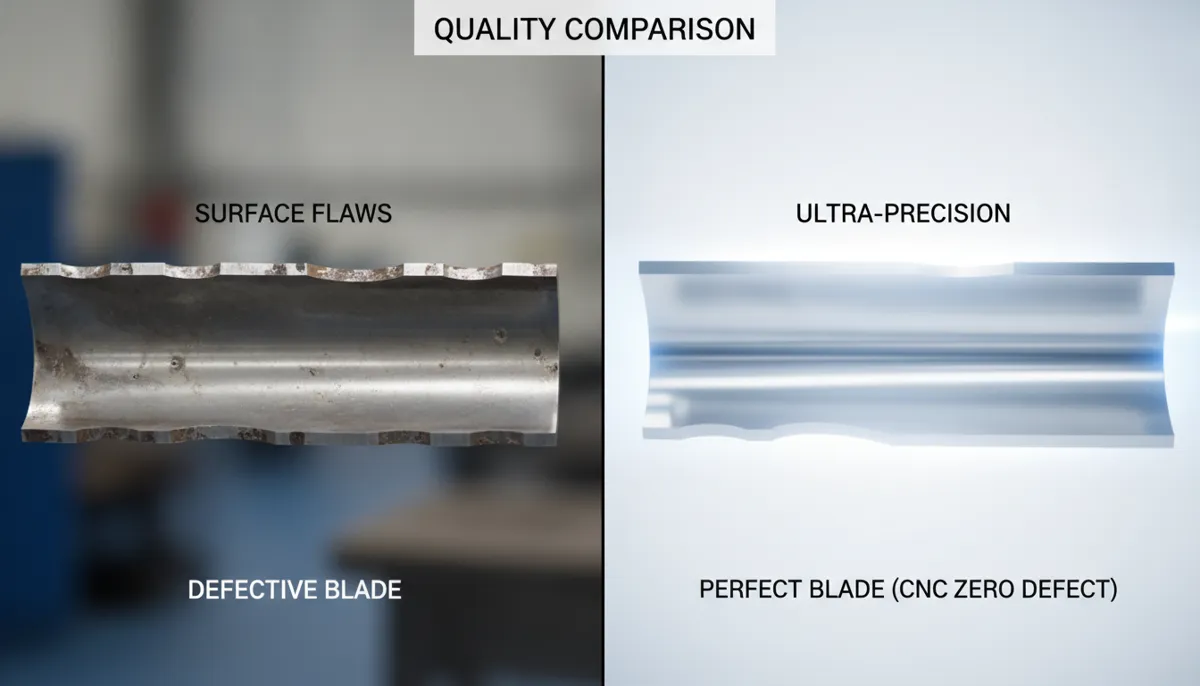
Ready to Eliminate Machining Defects?
Stop paying for scrap and rework. Upgrade your shop floor with QiaoFeng’s high-precision CNC machining centers and take the first step toward perfect quality.
References
- Mordor Intelligence. (2024). Machining Centers Market Size, Share & Growth Trends Report.
- Deloitte. (2023). Smart Manufacturing Ecosystems: A Catalyst for Digital Transformation.
- McKinsey & Company. (2022). Industry 4.0: How to navigate digitization of the manufacturing sector.