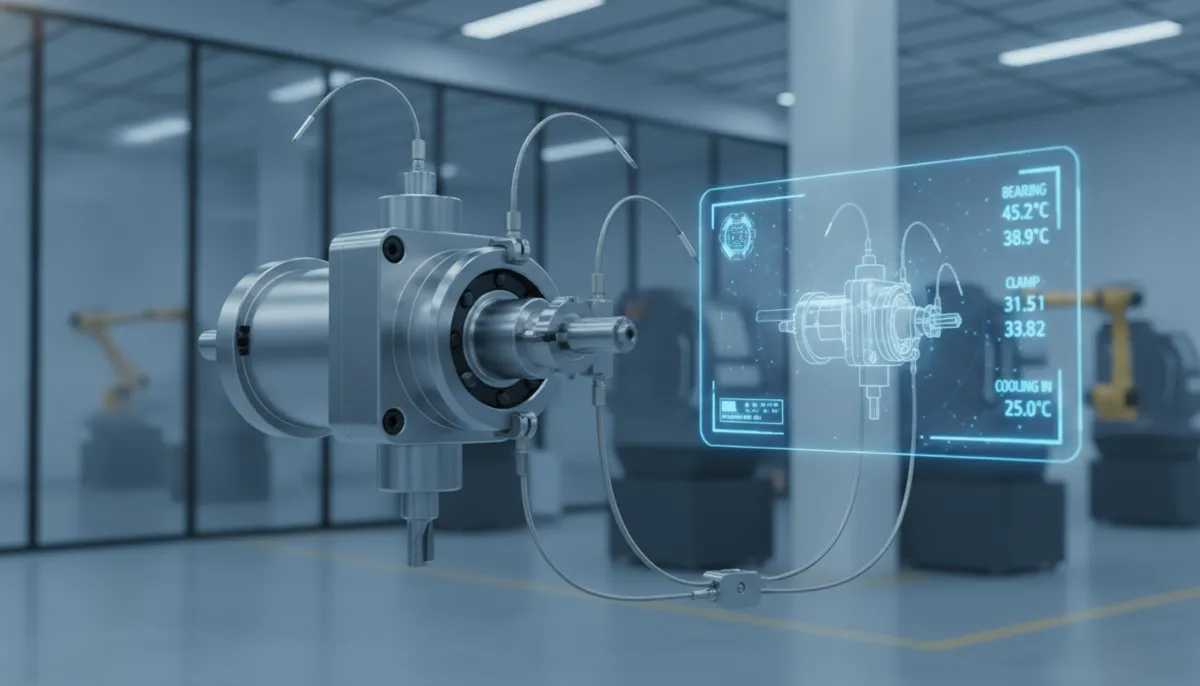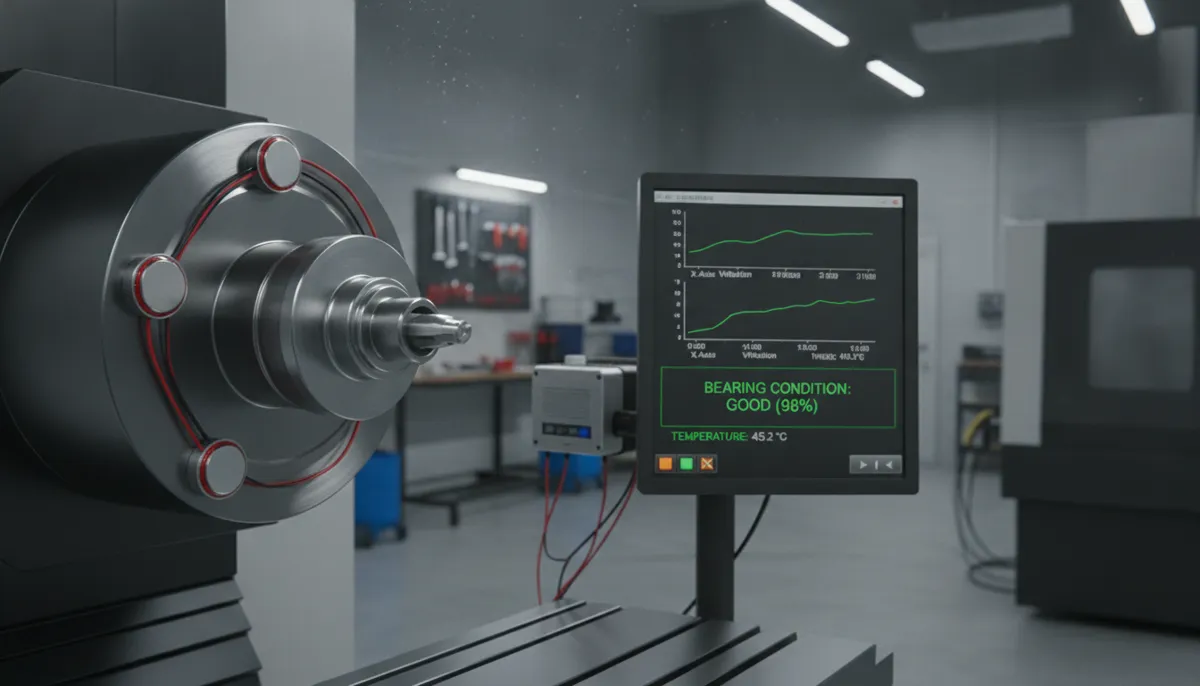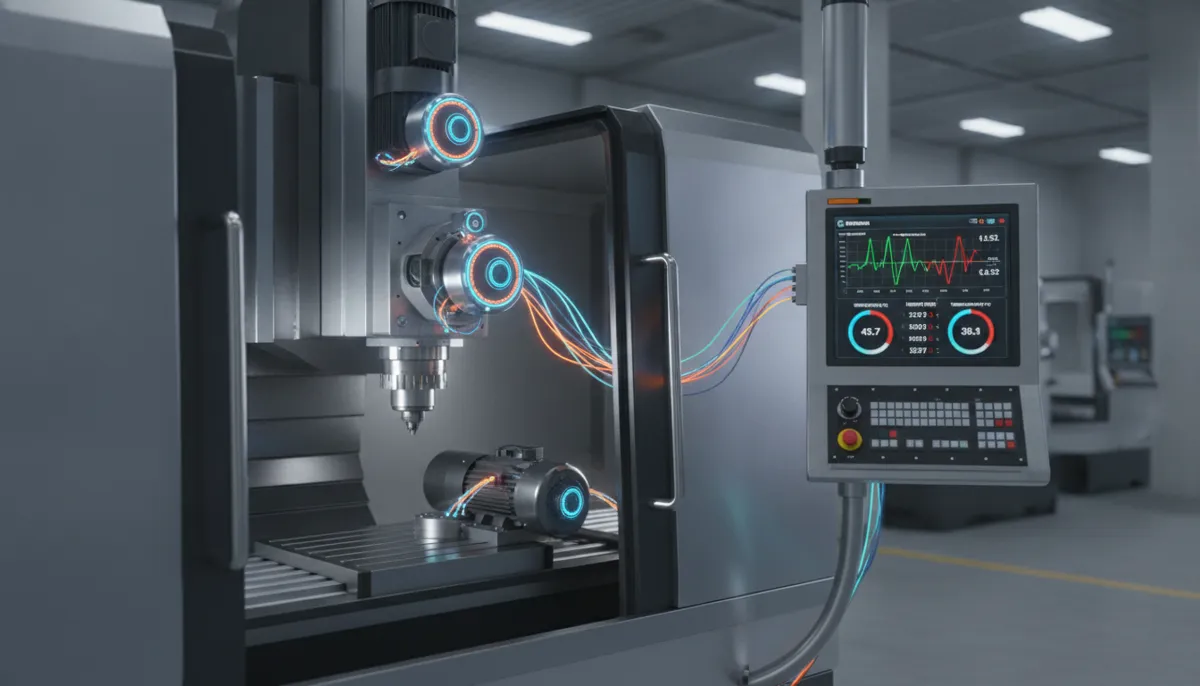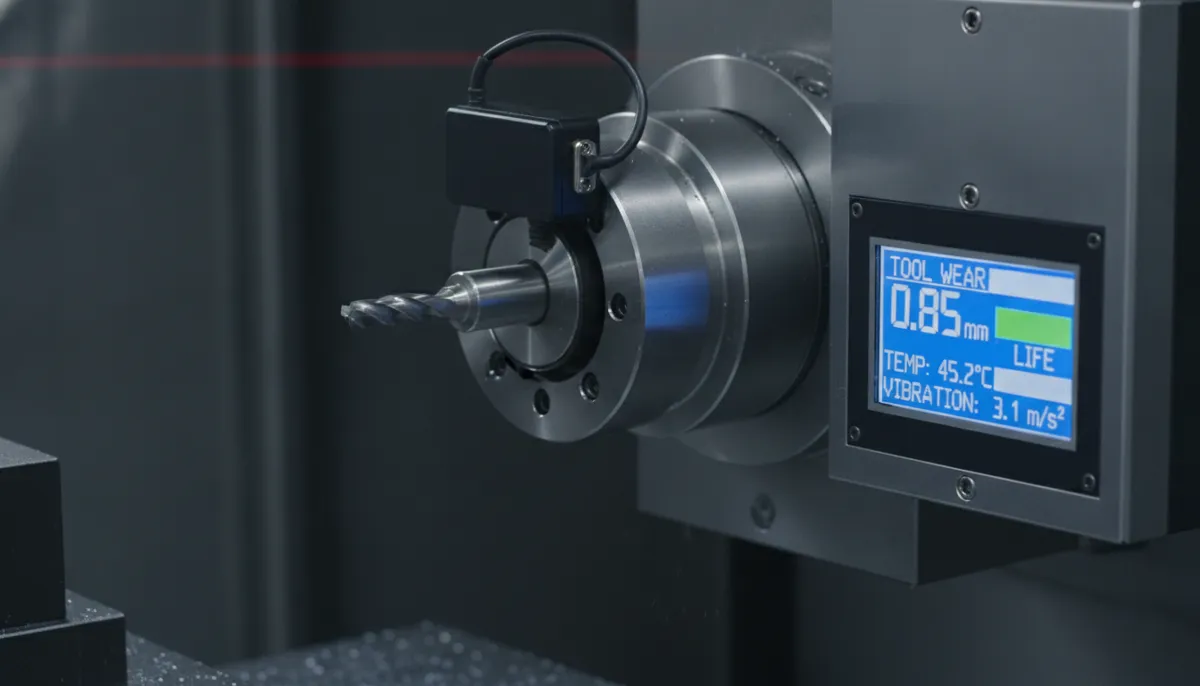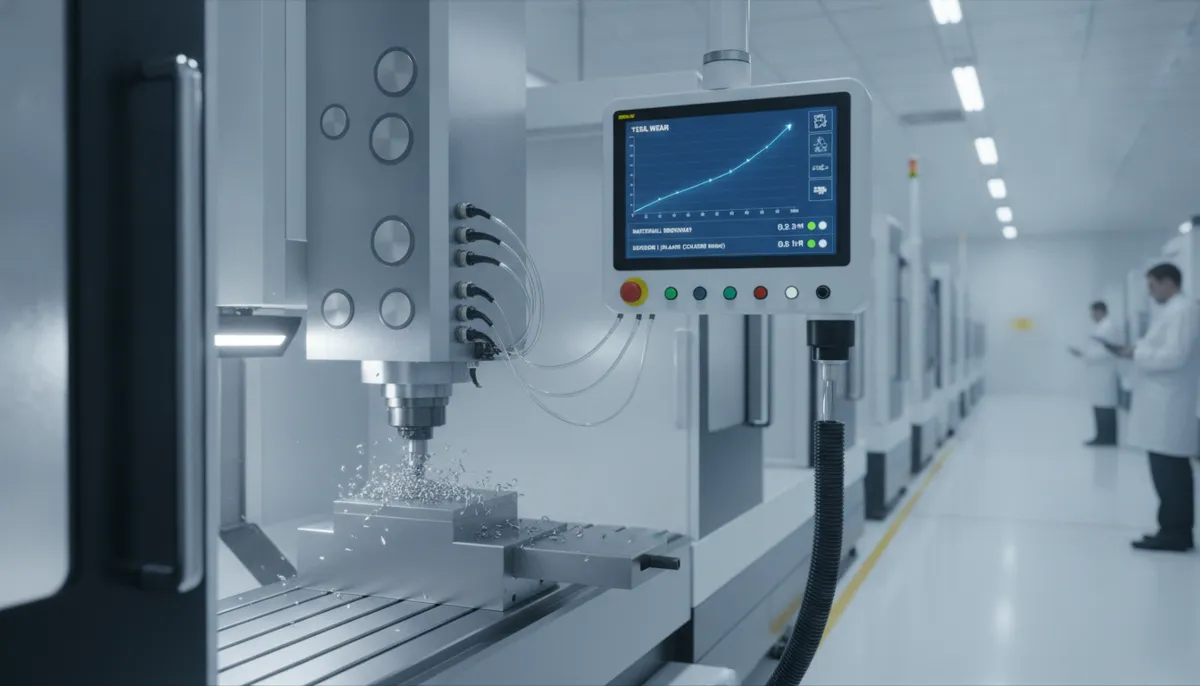
In the precision-driven world of modern manufacturing, a CNC life cycle assessment (LCA) has become an indispensable tool for quality engineers seeking to balance high-performance machining with environmental responsibility. At QiaoFeng, established in 2010 in Dalingshan Town, Dongguan, we understand that sustainability is no longer just a corporate buzzword—it is a measurable, critical metric for global supply chains. This comprehensive guide explores how integrating LCA principles into CNC machining processes can help quality engineers reduce carbon footprints, lower costs, and ensure compliance with stringent international standards.
The Growing Importance of Green Manufacturing Data
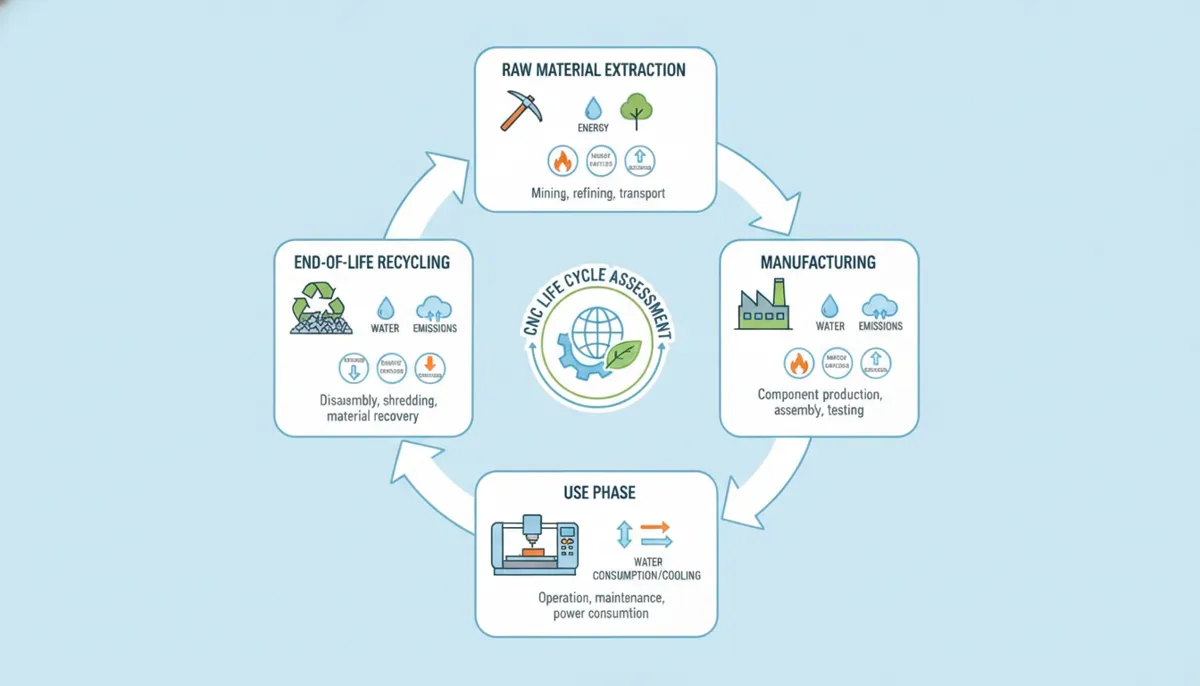
According to the European Commission’s Ecodesign for Sustainable Products Regulation (ESPR) and guidelines from the National Institute of Standards and Technology (NIST), manufacturers are increasingly required to provide transparent environmental data for their components. A CNC life cycle assessment provides a systematic framework—aligned with ISO 14040 standards—to evaluate the environmental burdens associated with a machined part, from raw material extraction (cradle) to final production (gate).
Core Components of a CNC Life Cycle Assessment
For a quality engineer, a robust CNC life cycle assessment comprises four key stages: goal definition, inventory analysis, impact assessment, and interpretation. The inventory analysis phase is particularly crucial, as it quantifies energy inputs, coolant usage, material waste, and direct emissions.
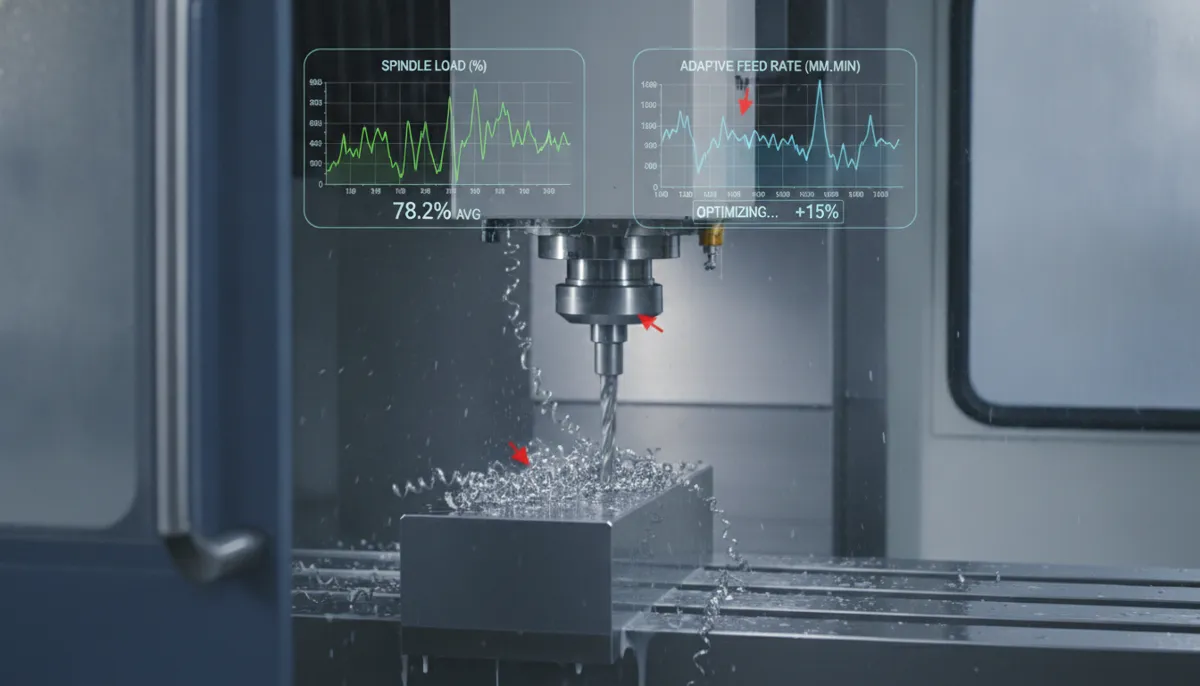
Unlike traditional machine shops, QiaoFeng integrates these LCA metrics directly into our manufacturing floor. By analyzing the life cycle data of our machining processes, we have optimized our tool paths, upgraded to energy-efficient servo motors, and implemented closed-loop coolant recycling. This allows us to provide our global clients with OEM parts that meet both strict dimensional tolerances and low-carbon requirements.

Comparing QiaoFeng’s Green Machining vs. Industry Averages
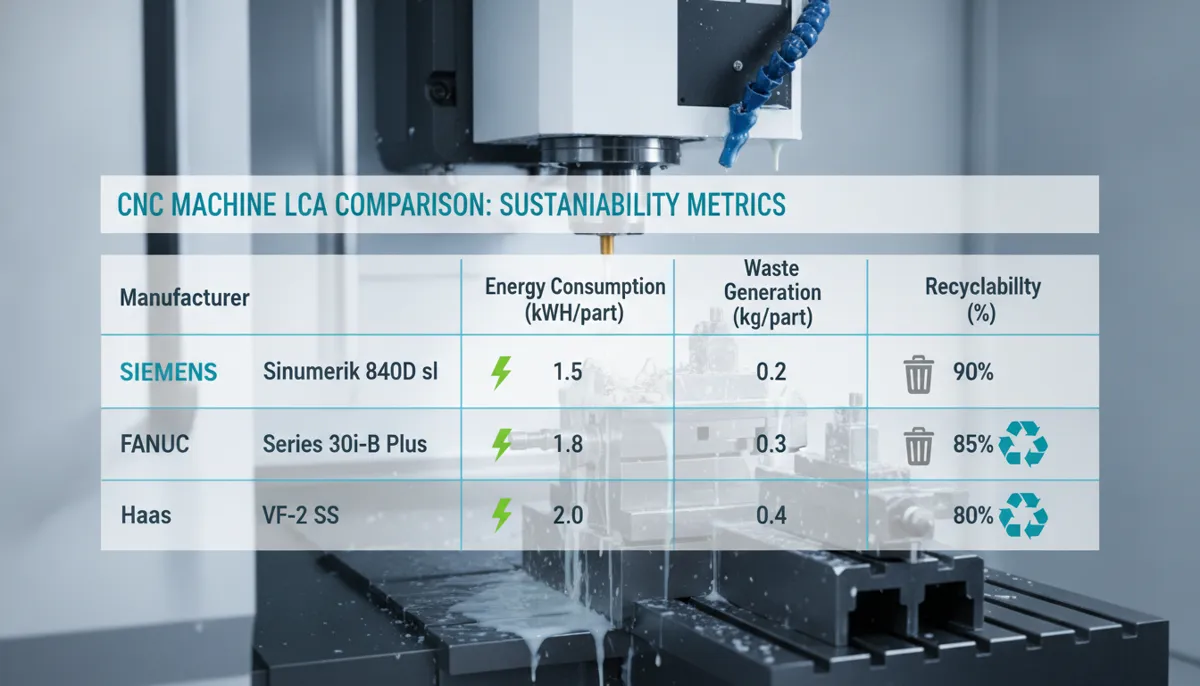
By applying CNC life cycle assessment principles to our operations, QiaoFeng consistently outperforms traditional machining facilities in environmental metrics. Here is how our optimized processes compare:
| Environmental Metric (Per Part Avg.) | QiaoFeng Optimized CNC | Industry Average |
|---|---|---|
| Energy Consumption (kWh) | 0.45 | 0.72 |
| Material Yield / Utilization (%) | 92% | 85% |
| Coolant Waste (Liters) | 0.08 (Closed-loop) | 0.15 |
| Carbon Footprint (kg CO2e) | 0.21 | 0.38 |
What Our Global Clients Say
Since 2010, QiaoFeng has proudly served over 750+ clients across Europe, North America, and Southeast Asia. Here is how our commitment to quality and sustainable machining impacts their business:
“QiaoFeng’s commitment to low-carbon manufacturing and their transparent CNC life cycle assessment data helped us meet the strict EU environmental standards for our automotive parts. Their precision is matched only by their professionalism.”
“Finding a CNC partner in China who truly understands sustainability is rare. QiaoFeng not only delivers flawless aerospace components but also utilizes green machining practices that align with our corporate ESG reporting.”
“The efficiency of QiaoFeng’s optimized machining processes directly translated to cost savings for us. Their reliable quality and standard 2-year warranty make them our most trusted supplier in the region.”
Pros and Cons of Adopting LCA in CNC Sourcing
Pros of LCA-Backed Machining
- Ensures compliance with EU and global environmental regulations.
- Reduces material waste, directly lowering the cost per part.
- Enhances your brand’s reputation as a sustainable manufacturer.
- Identifies inefficiencies in part design for better manufacturability.
Cons of Ignoring LCA
- Risk of failing compliance audits for international exports.
- Higher hidden costs due to excessive energy and material waste.
- Loss of competitive edge in ESG-conscious supply chains.
Frequently Asked Questions (FAQ)
1. What exactly is a CNC life cycle assessment?
A CNC life cycle assessment is a methodology used to quantify the environmental impact of a machined part throughout its production journey. It measures factors like electricity consumed by the CNC machine, raw material extraction, coolant usage, and the recyclability of metal chips.
2. How does QiaoFeng use LCA data to help my business?
We use LCA principles internally to optimize our machining parameters. By reducing energy consumption and maximizing material yield on our factory floor, we lower our production costs and carbon footprint—benefits we pass directly to you in the form of competitive pricing and greener components.
3. What is your warranty and refund policy?
QiaoFeng provides a solid 2-year warranty on our CNC equipment. For custom machined parts, we strictly follow your engineering drawings. While we do not support returns for “no reason” (due to the custom nature of CNC parts), we fully support refunds or remakes if there are any quality issues or deviations from the agreed tolerances.
4. Do you export to my country?
Yes. Since 2010, we have built a robust export network, primarily serving clients in Europe, North America, and Southeast Asia. We are highly familiar with international shipping and quality standards.
Ready to Source High-Quality, Sustainable CNC Parts?
Partner with a manufacturer that understands both precision engineering and environmental responsibility. Reach out to our team in Dongguan today for a fast quote.
References & Industry Standards
- International Organization for Standardization (ISO). “ISO 14040:2006 Environmental management — Life cycle assessment — Principles and framework.” View Standard
- European Commission. “Ecodesign for Sustainable Products Regulation (ESPR).” View Regulation
- National Institute of Standards and Technology (NIST). “Sustainable Manufacturing: Metrics, Standards, and Tools.” View Research