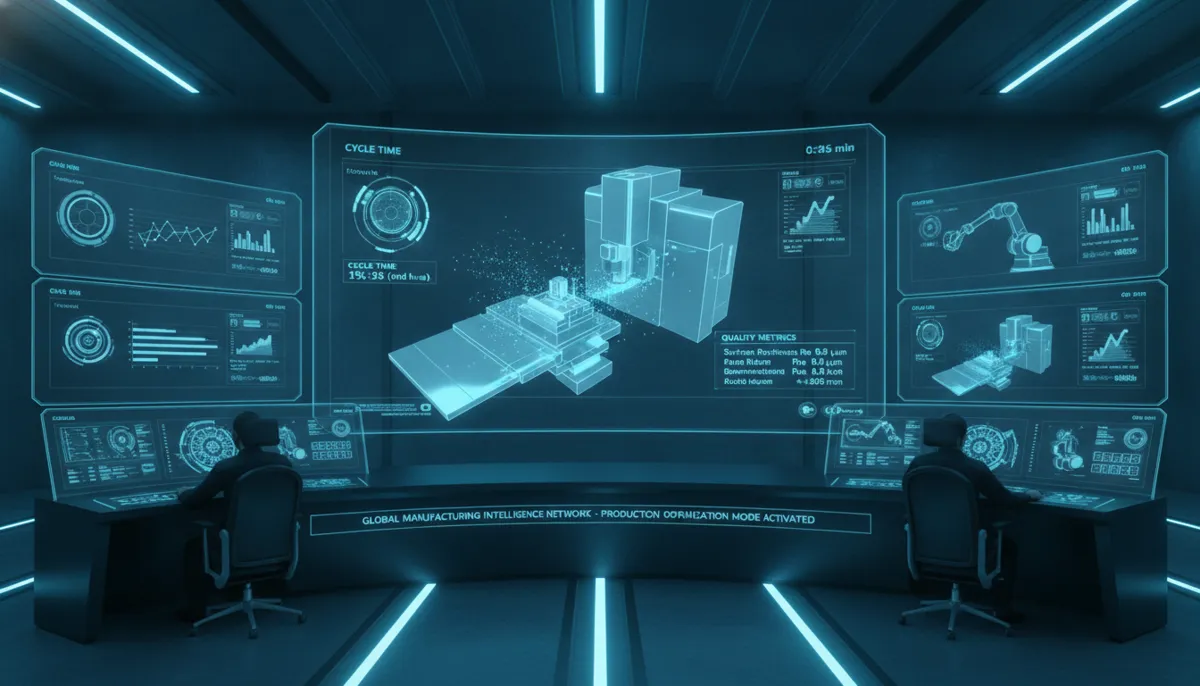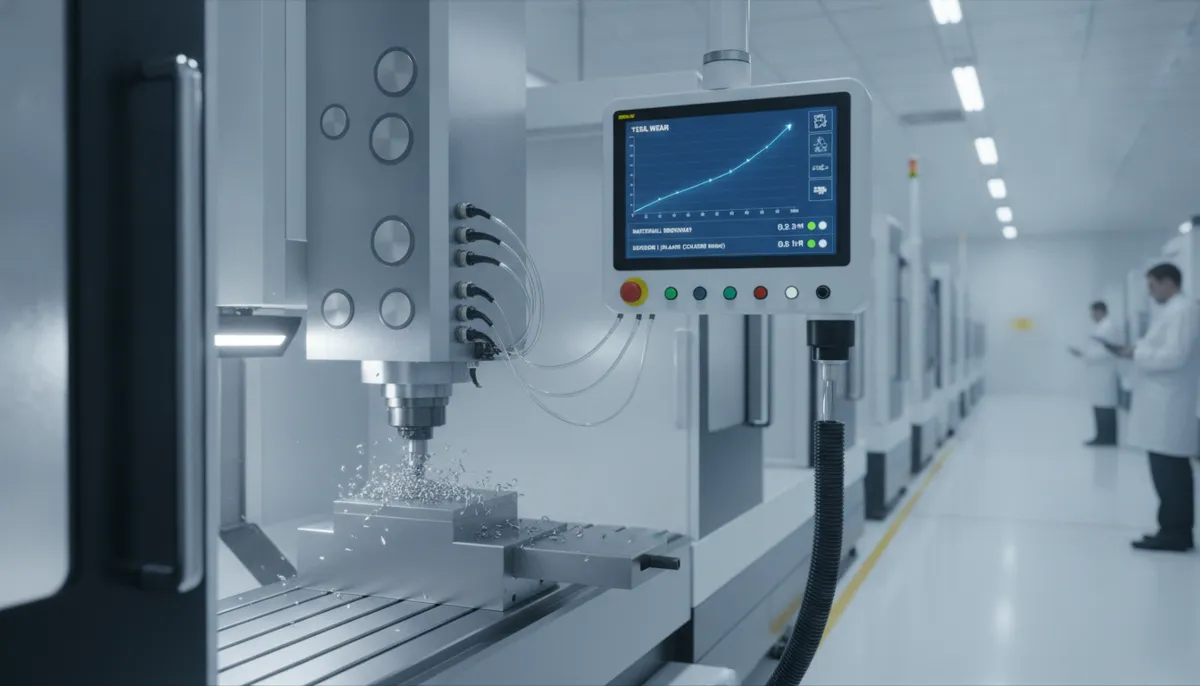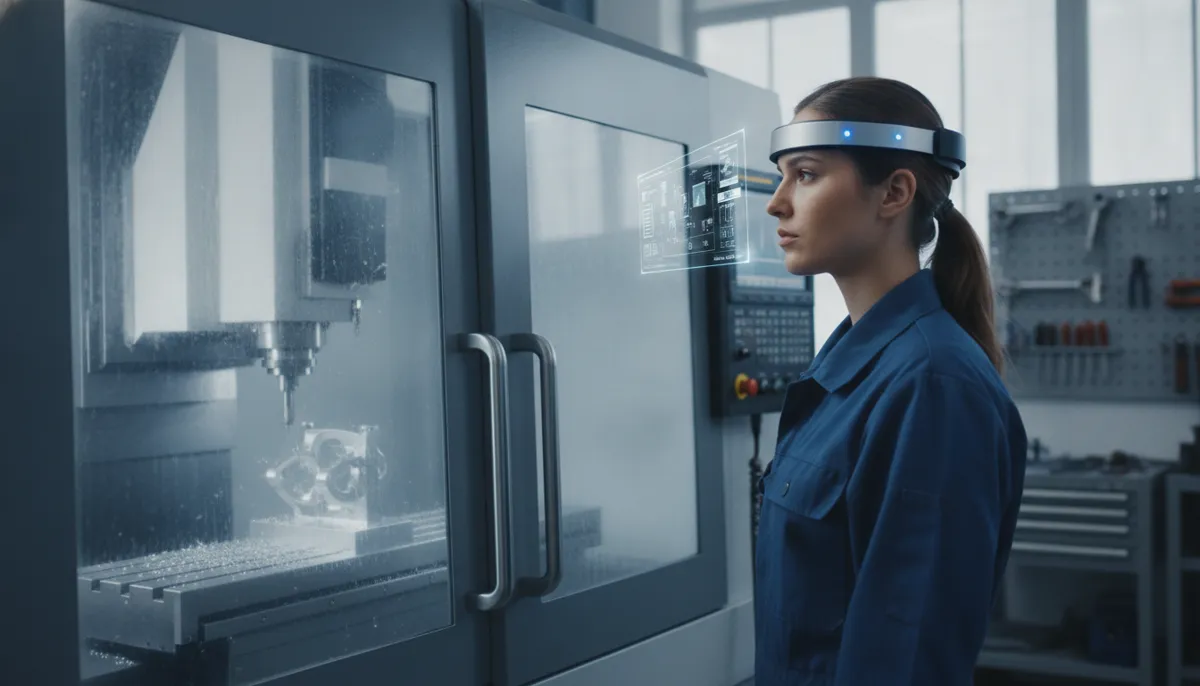
Imagine a workshop where you can control your machine tools simply by thinking about the toolpath. While this sounds like pure science fiction, the concept of a CNC brain interface is slowly shifting from academic research into the realm of industrial possibility. By leveraging non-invasive brain-computer interfaces (BCI), the future of manufacturing could involve translating neural signals into precise machine commands. At QiaoFeng, we have spent over 15 years perfecting automated CNC solutions, and we are closely monitoring these futuristic R&D trends to see how they will shape the next generation of machining.
Industry Data: The Rise of Smart Manufacturing
The push toward extreme automation is undeniable. According to a 2024 report by Mordor Intelligence, the Machining Centers Market is experiencing massive growth driven by Industry 4.0. Simultaneously, Grand View Research reports that the global Brain Computer Interface market is expanding rapidly, with industrial applications being a key frontier. McKinsey & Company also notes that advanced human-machine interfaces will be critical in reducing the skills gap in manufacturing over the next decade.
How a CNC Brain Interface Could Transform Workflows
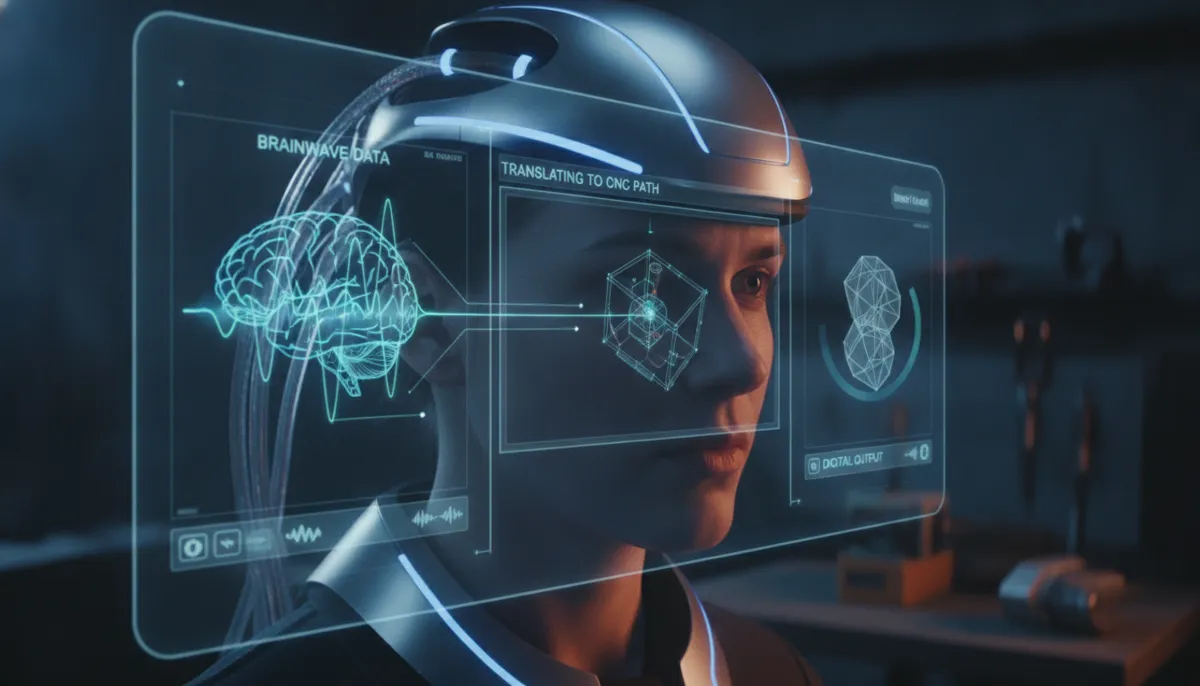
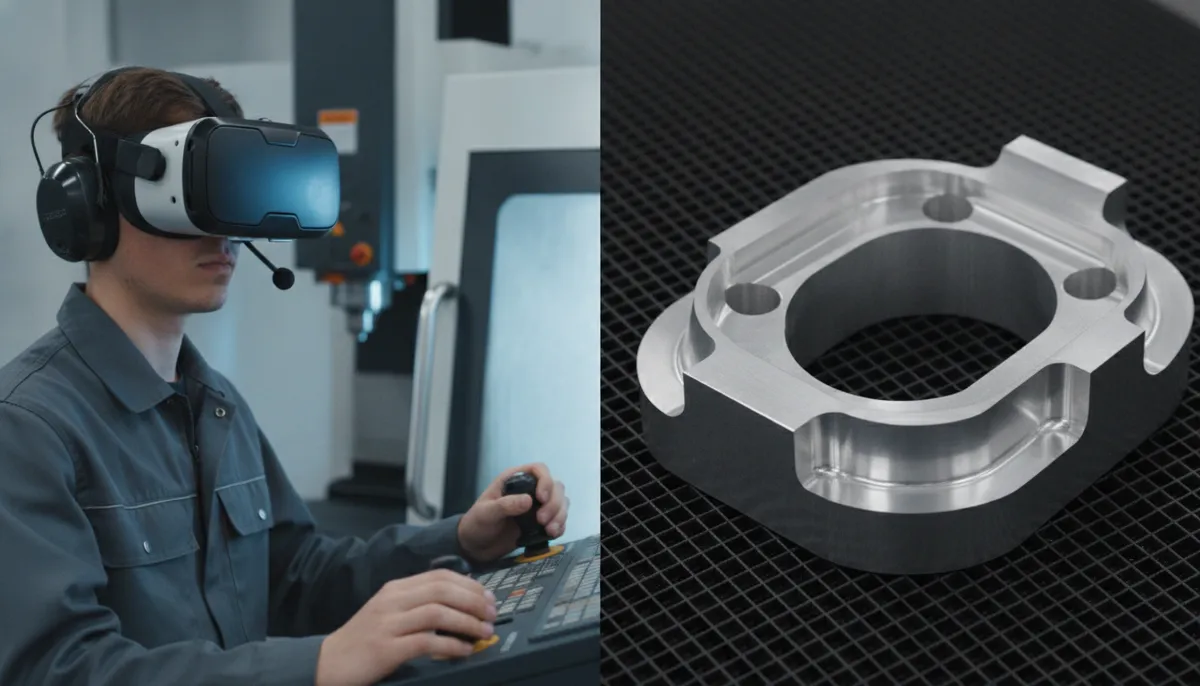
In theory, a CNC brain interface would utilize an EEG (electroencephalogram) headset to read the operator’s brainwaves. Here is how this futuristic workflow might look:
- Neural Signal Translation: Proprietary algorithms would decode intention in real-time, converting mental focus into basic machine commands (e.g., start, pause, emergency stop).
- Hands-Free Operation: Operators could manage multiple machines or perform manual inspection tasks while simultaneously controlling the CNC cycle via thought.
- Emergency Thought-Stop: A dedicated neural command could instantly halt all machine motion faster than a human hand could reach the physical E-stop button.
Traditional Control vs. Future Neural Control
To understand the potential impact, let’s compare how we operate machines today versus the theoretical future of BCI integration:
| Feature | Current Smart CNC (QiaoFeng Standard) | Future CNC Brain Interface |
|---|---|---|
| Input Method | Touchscreen, Keyboard, Pendant | Non-invasive EEG Headset |
| Learning Curve | Requires basic G-code or CAM software knowledge | Intuitive, but requires neural calibration |
| Emergency Stop | Manual physical button press | Instantaneous neural recognition |
| Availability | Available now, highly reliable | Currently in R&D and conceptual phases |
What Our Clients Say About Automation
While a fully commercial CNC brain interface is still in the future, QiaoFeng is already delivering the highest level of automation available today. With over 750+ clients globally, here is how our current smart CNCs are transforming businesses:
“We are excited about the future of BCI, but right now, QiaoFeng’s automated 5-axis centers have already cut our programming time in half. The precision is unmatched.”
“In aerospace, human error is costly. QiaoFeng’s intuitive control panels make operations so smooth it almost feels like the machine reads our minds. We look forward to their future innovations.”
“Our job shop handles high-mix production. The rapid setup times on our QiaoFeng machines keep us competitive. If thought-control becomes a reality, we know QiaoFeng will be leading the charge.”
Pros of Future BCI Machining
- Potential for zero-delay emergency stops
- Hands-free operation reduces physical strain
- Could drastically lower the barrier for beginners
Current Technological Challenges
- Shop floor electrical noise interferes with EEG signals
- Requires daily calibration for individual operators
- High initial R&D and implementation costs
Frequently Asked Questions
Is a CNC brain interface available to buy right now?
Currently, fully functional thought-controlled CNC machines are in the advanced R&D and prototype phases. For now, the industry standard relies on highly advanced, automated touch-screen and CAM-driven controllers, which QiaoFeng proudly provides.
Is the technology safe for operators?
Yes, the conceptual designs for industrial BCI use non-invasive EEG sensors. They only read electrical brain activity and do not emit any stimulation, making them completely safe for the user.
How can I improve my CNC efficiency today?
While waiting for the future of BCI, you can upgrade to QiaoFeng’s modern CNC machining centers. Our machines feature IoT connectivity, automated tool changers, and intuitive interfaces that drastically reduce manual setup times.
Upgrade Your Manufacturing Today
While the CNC brain interface is the future, you need reliable, high-precision automation right now. Join 750+ successful clients and let QiaoFeng optimize your production line today.
References
- Mordor Intelligence. (2024). Machining Centers Market Size, Share & Growth Trends Report.
- Grand View Research. (2023). Brain Computer Interface Market Size, Share & Trends Analysis Report.
- McKinsey & Company. (2022). Industry 4.0: How to navigate digitization of the manufacturing sector.