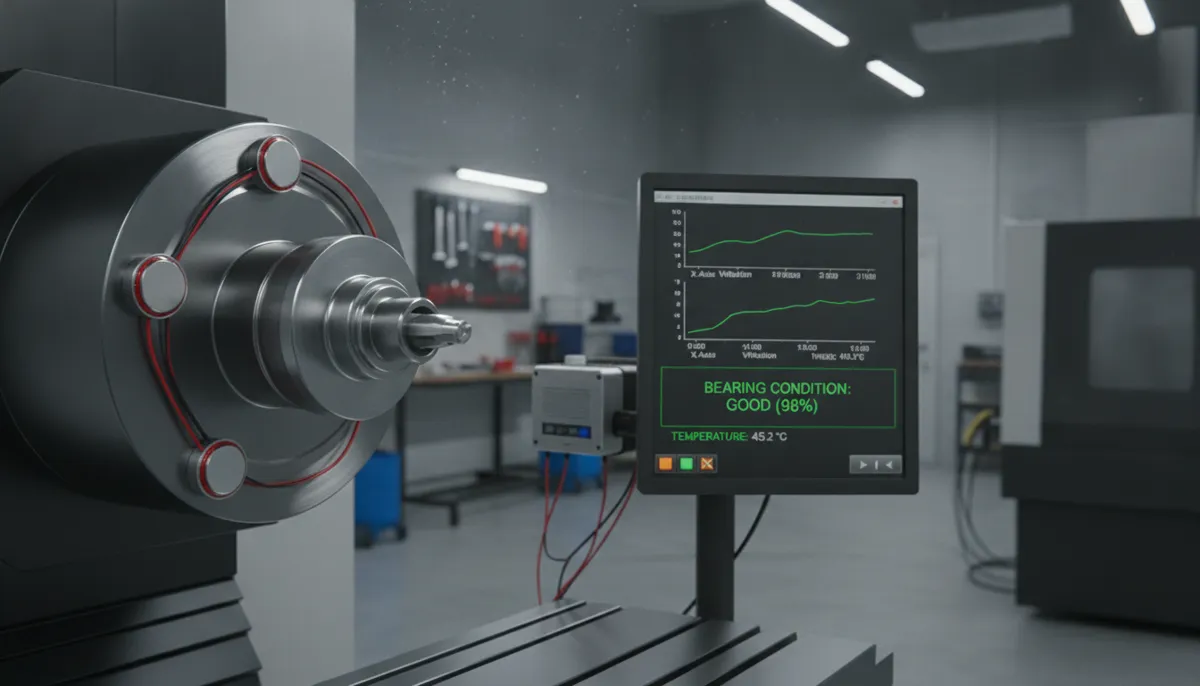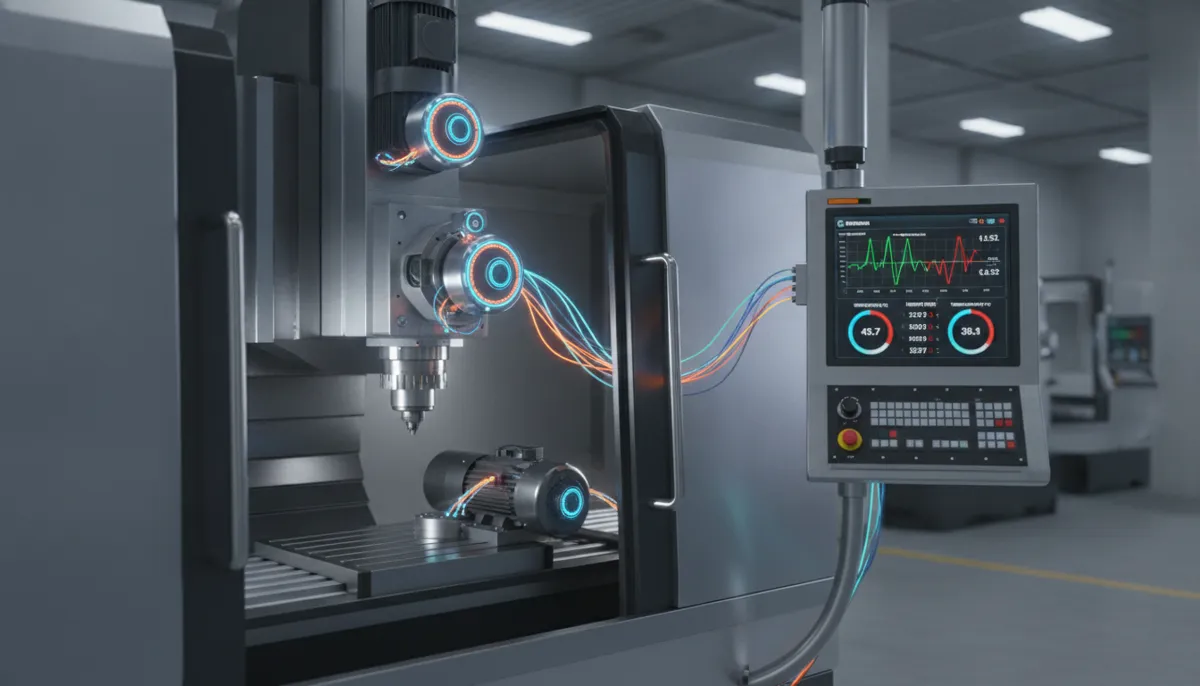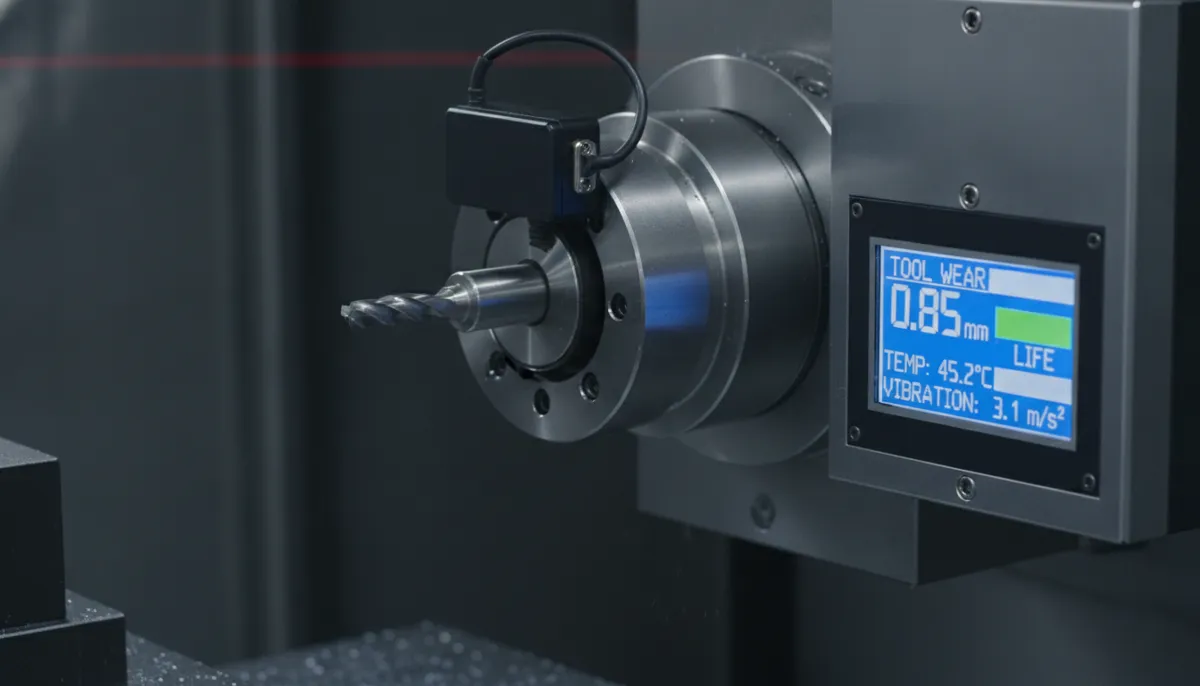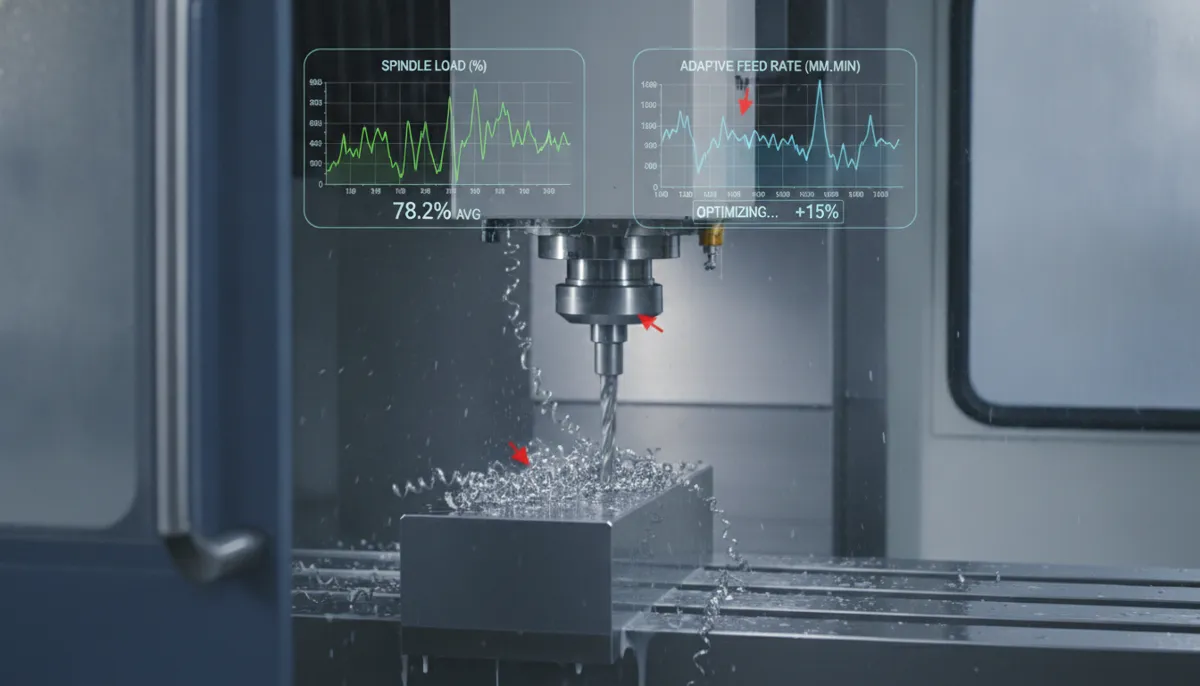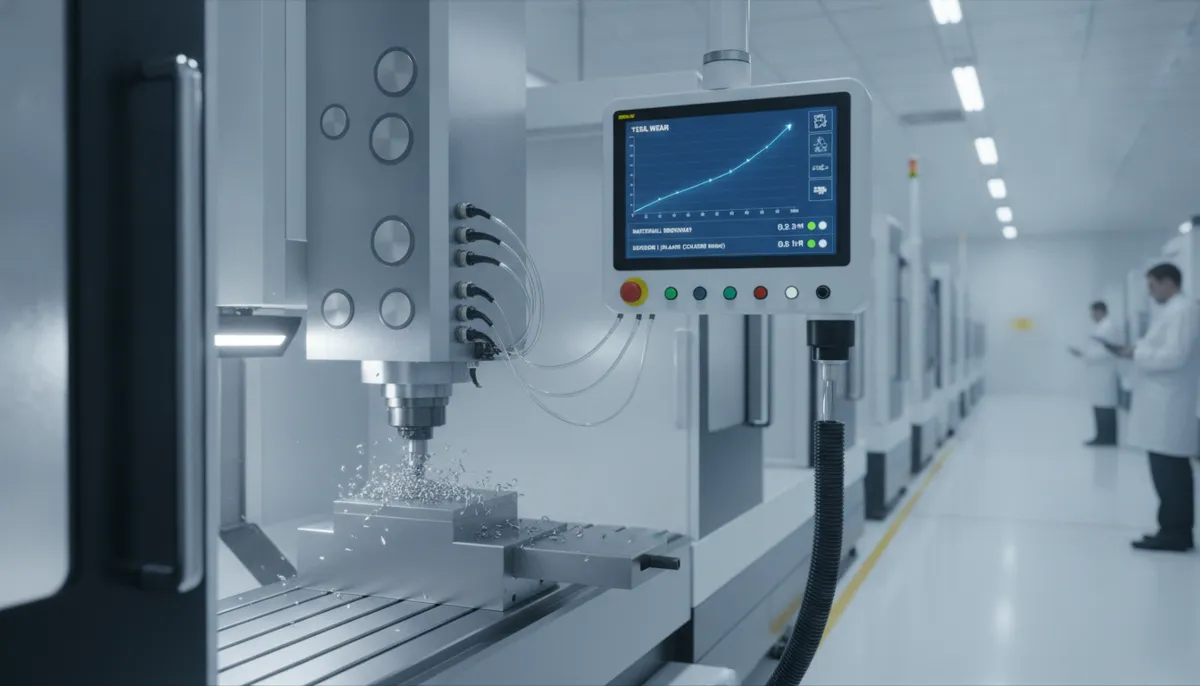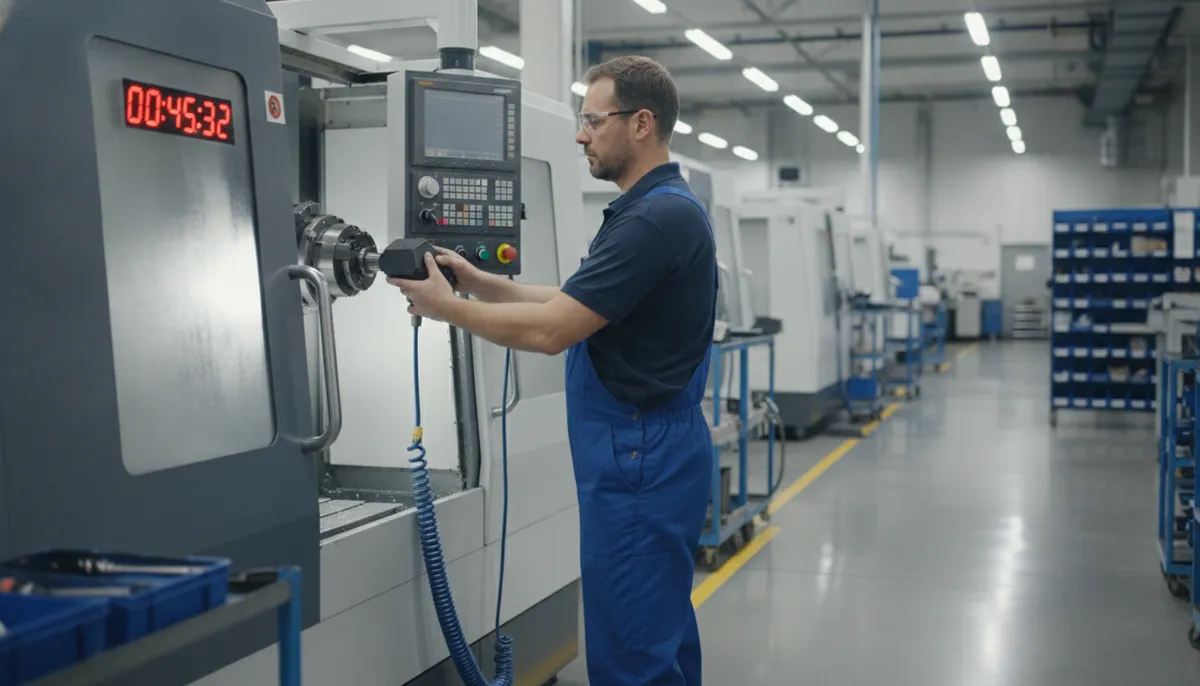
CNC setup time is the single largest drain on productivity in high-mix, low-volume manufacturing — and for most job shops, it is also the most controllable variable on the factory floor. At QiaoFeng Intelligent Equipment, founded in 2010 and based in Dalingshan, Dongguan, Guangdong, China, we have helped 750+ manufacturers across the US, Europe, and Southeast Asia cut changeover times by an average of 73% using proven SMED methodology and purpose-built machine features. This comprehensive guide defines CNC setup time, explains the SMED process step by step, and gives you actionable strategies to slash changeover — backed by real-world case studies and authoritative industry data.
Why CNC Setup Time Is a Critical Business Metric
The global CNC machines market is projected to grow from USD 79.14 billion in 2026 to USD 105.7 billion by 2031 at a CAGR of 5.96% [1]. As production volumes and part variety scale simultaneously, the pressure on setup efficiency has never been greater. Meanwhile, Fortune Global 500 manufacturers lose an estimated $1.4 trillion annually to unplanned downtime — equivalent to 11% of total revenue — according to Siemens’ 2024 True Cost of Downtime Report [2]. Setup and changeover time is a major contributor to this figure.
Academic research consistently validates the impact of structured setup reduction. A peer-reviewed case study published on ResearchGate demonstrated that applying SMED to a CNC turning line achieved a setup time reduction of more than 45%, directly improving machine utilization and on-time delivery performance [3]. A separate study on SMED in the automobile industry confirmed a 45% reduction in setup time and measurable improvements in overall equipment effectiveness (OEE) [4].
1. What Is CNC Setup Time? Definition and Key Components
CNC setup time is defined as the total elapsed time from the last good part of the previous job to the first good part of the next job. It encompasses every activity in between: removing previous tooling, cleaning the machine, loading the new CNC program, setting work coordinate offsets, installing fixtures, running test cuts, and verifying the first piece.
The Society of Manufacturing Engineers (SME) and lean manufacturing practitioners divide setup time into two fundamental categories:
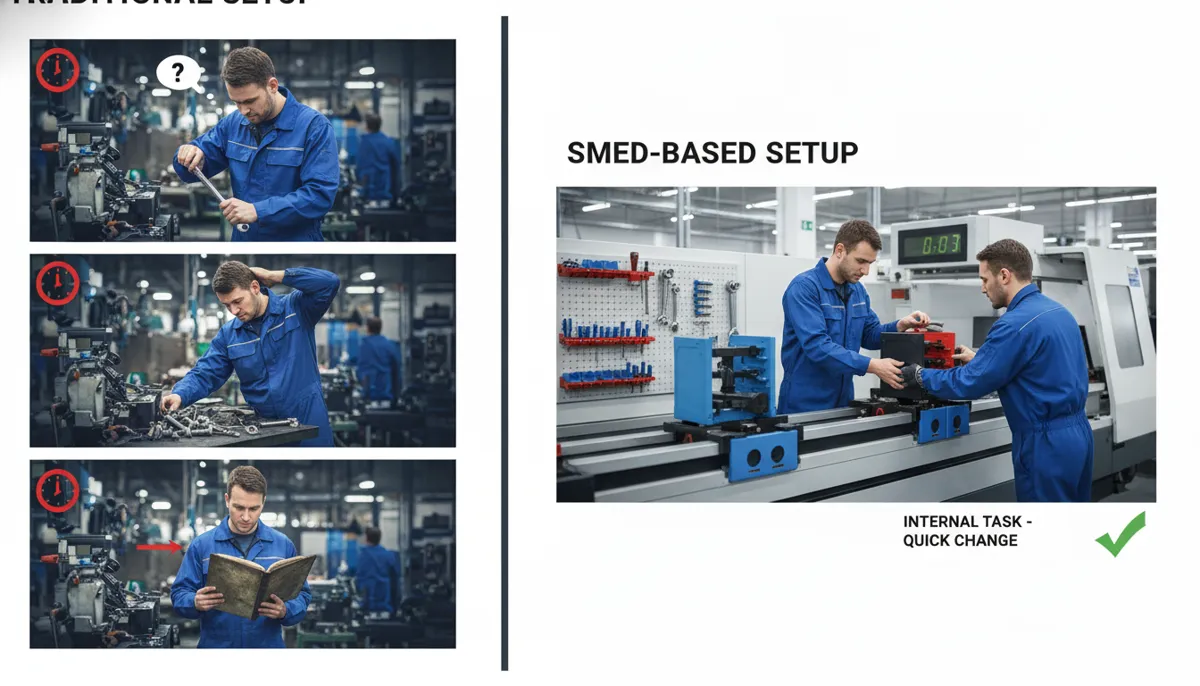
- Internal Setup Time: Tasks that can only be performed while the machine is completely stopped — such as changing tools in the spindle, swapping fixtures, and entering work offsets at the control.
- External Setup Time: Tasks that can be performed while the machine is still running the previous job — such as pre-staging tools, pre-loading programs, cleaning fixtures off-machine, and preparing material.
The core principle of SMED (Single-Minute Exchange of Die), developed by Shigeo Shingo, is to systematically convert as many internal tasks as possible into external tasks — targeting total setup times under 10 minutes. When combined with quick-change hardware, automated probing, and standardized procedures, sub-10-minute setups are achievable on most CNC machining centers.
2. The SMED Process: 4 Steps to Reduce CNC Setup Time
Step 1 — Document and Baseline Your Current Setup
Before you can improve, you must measure. Video-record or time-study the complete changeover process from last-good-part to first-good-part. Break it into individual tasks (e.g., remove tooling: 4 min / clean table: 3 min / load program: 2 min / set offsets: 8 min / test cut: 10 min). This baseline is your starting point and will reveal where the biggest time losses are hiding.
Step 2 — Separate Internal from External Activities
Review your documented task list and classify every step as either internal (machine must be stopped) or external (can be done while machine runs). In most unoptimized shops, 40–60% of tasks classified as “internal” are actually external in nature — they are only done while the machine is stopped out of habit, not necessity.
Step 3 — Convert Internal Tasks to External
Systematically move every possible task outside the machine-stopped window. Practical conversions include:
- Pre-set tool lengths offline using a tool presetter — eliminates in-machine tool measurement
- Pre-load CNC programs to the control while the previous job is finishing
- Pre-assemble and pre-clean fixtures on a staging cart
- Use dual-pallet changers so the next workpiece is loaded while the current one is cutting
- Prepare and verify material/workpiece dimensions before machine stops
Step 4 — Streamline and Standardize Remaining Internal Tasks
For tasks that genuinely require machine stoppage, eliminate waste through standardization and hardware upgrades:
- Replace manual clamping with hydraulic or pneumatic quick-clamp systems
- Use zero-point clamping systems for repeatable fixture positioning without re-indicating
- Implement automated work offset probing cycles (12-second probing vs. 3–5 minutes manual)
- Create standardized setup sheets with photos for every part number
- Use color-coded tooling carts to eliminate search time
3. CNC Setup Time Comparison: QiaoFeng VMC-850 vs. Industry Average
The following comparison is based on QiaoFeng internal production data (2024) and published industry benchmarks from job shop surveys. “Industry Average” reflects typical performance in unoptimized high-mix CNC job shops prior to SMED implementation.
| Parameter | QiaoFeng VMC-850 | Industry Average (Unoptimized) |
|---|---|---|
| Average Total Setup Time | 12 minutes | 45–90 minutes |
| Tool Change Time (chip-to-chip) | 1.8 seconds | 3.5–5 seconds |
| Pallet Change Time | 8 seconds | 15–25 seconds |
| Work Offset Probing | Automated (≈12 seconds) | Manual (2–5 minutes) |
| Program Loading | Network DNC (background) | Manual USB / operator input |
| SMED External Prep Support | Fully supported (dual pallet) | Partial / not supported |
| Machine Utilization (OEE) | ~85% | ~55–65% |
| Extra Cutting Time per 8-hr Shift | +2.5 hours vs. average | Baseline |
Reducing average setup from 45 minutes to 12 minutes across a 10-machine shop recovers over 1,650 hours of productive machine time per year — equivalent to adding two full-time machines to your floor with zero capital expenditure.
4. Real-World Case Studies: CNC Setup Time Reduction in Action
Case 1 — High-Mix Aerospace Job Shop (USA): 90 min → 12 min
A Midwest aerospace job shop running 50+ part numbers per week was averaging 90-minute setup times, causing chronic late deliveries and expensive overtime. After implementing SMED with QiaoFeng’s quick-change pallet system and transitioning to offline DNC programming, average setup dropped to 12 minutes. On-time delivery improved from 70% to 98%, and the shop won a major defense subcontract requiring 24-hour turnaround capability.
“Before QiaoFeng, our setups were killing us — 90 minutes every changeover on a 50-part-number mix. After switching to their VMC-850 with the dual-pallet system and running SMED, we’re consistently under 15 minutes. Our OEE went from 58% to 84% in six months. That’s the difference between losing bids and winning them.”
Case 2 — Automotive Tier 1 Supplier (Germany): 2 hrs → 15 min
A German Tier 1 supplier of precision brake components needed to change fixtures every 200 parts. Traditional changeover required 2 hours of machine downtime. By adopting QiaoFeng’s hydraulic zero-point clamping system and pre-heated die protocols, changeover was reduced to 15 minutes. This enabled a shift from 2,000-piece batch runs to 200-piece runs, reducing finished goods inventory by 40% and freeing up €180,000 in working capital annually.
“We were locked into large batch sizes because our changeover cost was too high. QiaoFeng’s hydraulic clamping solution changed everything. We now run smaller, more flexible batches, our inventory is down 40%, and our customers get faster delivery. The ROI on the machine paid back in under 14 months.”
Case 3 — Medical Device Manufacturer (Vietnam): 45 min → 8 min
A Ho Chi Minh City manufacturer of surgical instrument components faced 45-minute setups for runs as short as 5 pieces — making short-run production economically unviable. After implementing QiaoFeng’s offline tool presetter and automated probing routines, setup time dropped to 8 minutes. Scrap rates fell from 5% to 0.5% due to consistent, repeatable offset entry, and the factory was able to take on 30% more customer orders without adding headcount.
“Short runs used to be a money-loser for us because setup took longer than the actual machining. QiaoFeng’s presetter and probing routines solved that completely. Now 8-minute setups mean even 5-piece jobs are profitable. Our scrap rate dropped from 5% to under 1% — that alone covers the machine cost.”

5. Pros & Cons of Implementing SMED for CNC Setup Time Reduction
✅ Advantages of SMED Implementation
- Setup time reductions of 45–90% are consistently achievable
- Directly increases machine OEE and cutting time per shift
- Makes small batch sizes economically viable — enables true lean manufacturing
- Reduces scrap through standardized, repeatable setup procedures
- Improves on-time delivery and quoting competitiveness
- Frees operator time for value-added activities
- Strong ROI: typically 12–18 month payback on hardware investment
⚠️ Considerations & Challenges
- Upfront investment required: quick-change tooling, presetters, zero-point fixtures
- Operator training and cultural change can take 3–6 months
- Not all legacy machines are SMED-ready; retrofits may be needed
- Requires disciplined documentation and standardized setup sheets
- Initial productivity dip during transition and training period
6. Frequently Asked Questions: CNC Setup Time
What is the difference between internal and external CNC setup time?
Internal setup time includes tasks that must be performed while the machine is completely stopped — changing tools in the spindle, swapping fixtures, entering work offsets. External setup time includes tasks that can be done while the machine is still running the previous job, such as pre-staging tools, pre-loading programs, and cleaning fixtures off-machine. SMED’s core strategy is to convert as many internal tasks to external as possible, minimizing the machine-stopped window.
How do I measure my current CNC setup time accurately?
Time the complete changeover from the last good part of Job A to the first good part of Job B. Use a stopwatch, video recording, or machine monitoring software. Break the process into individual steps (remove tooling, clean table, load program, set offsets, test cut, first-piece inspection) and record each duration separately. This granular baseline reveals exactly where time is being lost and which steps offer the greatest reduction opportunity.
What is a realistic CNC setup time target for a job shop?
For most job shops, a realistic initial target is under 20 minutes after a first round of SMED implementation. With dedicated quick-change hardware and mature procedures, sub-10 minutes (the SMED target) is achievable. World-class operations with zero-point clamping and automated probing regularly achieve under 5 minutes. QiaoFeng’s VMC series is designed to support sub-10-minute setups out of the box.
Does reducing CNC setup time affect part quality?
When implemented correctly, reducing setup time improves quality. Standardized setup procedures eliminate operator-to-operator variation. Automated probing ensures consistent, repeatable work offsets every time. Offline tool presetters eliminate manual tool length measurement errors. QiaoFeng customers consistently report lower scrap rates after SMED implementation — as seen in the medical device case study above, where scrap dropped from 5% to 0.5%.
What is QiaoFeng’s warranty and return policy?
All QiaoFeng CNC machines and machined parts come with a 2-year warranty. We fully support returns and refunds for any confirmed quality issue — if a part or machine does not conform to agreed specifications, we will replace or refund at no cost. We do not support no-reason returns for products that meet the specified technical requirements. For any quality concerns, contact us directly at bella@qfcncmachine.com.
How long does SMED implementation take, and what support does QiaoFeng offer?
A basic SMED implementation — documenting current state, separating internal/external tasks, and introducing quick-change tooling — typically takes 4–8 weeks for a single machine cell. Full shop-wide rollout across 10+ machines may take 3–6 months. QiaoFeng offers on-site SMED consulting, operator training, and retrofit kit recommendations to accelerate your implementation. Contact us for a free setup time audit tailored to your specific machine mix and part variety.
Ready to Cut Your CNC Setup Time by 73%?
QiaoFeng has helped 750+ manufacturers since 2010 slash changeover times and boost OEE. Our VMC series comes standard with dual-pallet changers, automated probing, and DNC networking — everything you need for sub-12-minute setups. Based in Dongguan, Guangdong. 2-year warranty on all machines. Free setup time audit for new inquiries.
References
- Mordor Intelligence, CNC Machines Market Size, Share & Growth Trends Report, 2026. View Report →
- Siemens / Excellerant, True Cost of Downtime Report 2024 — Fortune Global 500 Manufacturing Analysis, 2024. View Report →
- ResearchGate / Pereira et al., A Case Study on Reducing Setup Time Using SMED on a Turning Line, 2021. View Paper →
- ResearchGate / Cakmakci, Performance Analysis of the Setup Time Reduction — SMED in the Automobile Industry, 2009. View Paper →
- MaintainX, SMED (Single-Minute Exchange of Die) — Learning Center Guide, 2024. View Guide →