CNC swarm robotics is rapidly redefining what flexible manufacturing looks like on the factory floor. By combining the precision of CNC machining with the adaptive, decentralized intelligence of swarm robotics, manufacturers across Europe, North America, and Southeast Asia are unlocking a new level of production agility — one that traditional fixed-cell CNC setups simply cannot match. At QFCNCMACHINE.COM, we have been engineering and supplying advanced CNC machine solutions since 2010, serving 750+ clients worldwide from our factory in Dalingshan, Dongguan, Guangdong, China. In this guide, we explain how CNC swarm robotics works, what it can realistically deliver for your production line, and how to evaluate whether it is the right investment for your facility.
1. The Industrial Robotics Landscape: Why CNC Swarm Robotics Is Rising Now
The global industrial robotics market is projected to grow from USD 54.28 billion in 2026 to USD 94.38 billion by 2031, advancing at a CAGR of 11.7% — driven by rising labor costs, AI-enabled smart factory adoption, and government automation subsidies across China, Germany, South Korea, and the United States (Mordor Intelligence, 2026). Collaborative robots (cobots) are the fastest-growing segment within this market, posting a 12.92% CAGR through 2031, reflecting the industry’s shift toward flexible, human-robot collaborative cells — the foundational concept behind swarm architectures.
Grand View Research independently values the industrial robotics market at USD 37.8 billion in 2025, growing to USD 78.9 billion by 2033 at a 9.5% CAGR, with material handling and quality inspection identified as the two highest-growth application segments (Grand View Research, 2026). A 2025 peer-reviewed study published in Frontiers in Robotics and AI identifies decentralized task allocation and fault-tolerant self-organization as the two most commercially viable capabilities of applied swarm robotics systems, noting that real-world deployments are accelerating as communication latency and sensor miniaturization barriers are overcome (Frontiers in Robotics and AI, 2025).
2. What Is CNC Swarm Robotics? Core Concepts Explained
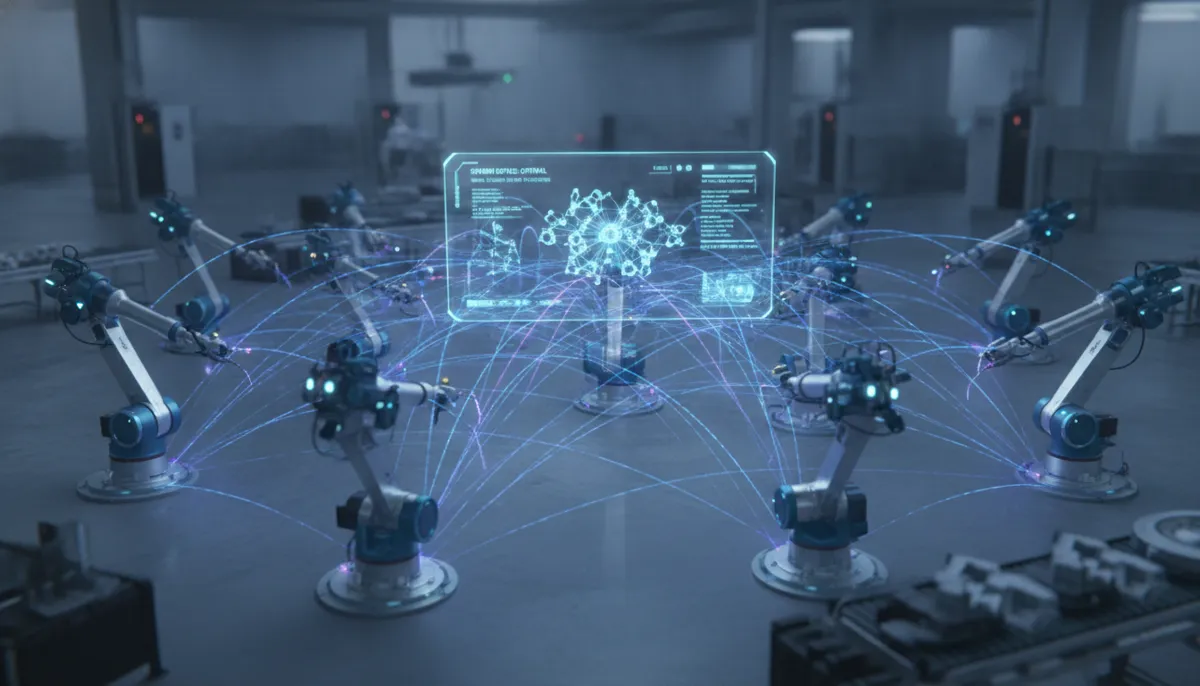
CNC swarm robotics refers to a manufacturing system in which multiple CNC-capable robotic units operate collaboratively under a decentralized control architecture — meaning no single controller dictates every action. Instead, each robot makes autonomous decisions based on local sensor data, shared task queues, and real-time communication with neighboring units via a mesh network. The result is a self-organizing production cell that can reconfigure dynamically as part families, batch sizes, or machine availability change.
This is fundamentally different from a traditional CNC machining cell, where each machine performs a fixed, pre-programmed operation and parts move sequentially down a rigid production line. Swarm systems enable parallel processing, dynamic load balancing, and inherent fault tolerance — if one robot requires maintenance, the remaining units redistribute its tasks automatically, with zero manual reprogramming required.
2.1 Decentralized Control Architecture
Each robot in a CNC swarm uses a local decision-making algorithm that evaluates task priority, proximity to the workpiece, current tool state, and peer availability before accepting a job. This eliminates single points of failure and allows the system to scale — adding or removing robots from the swarm requires no changes to the central program. In practice, this reduces setup and reconfiguration time significantly compared to traditional CNC cell reprogramming.
2.2 Multi-Agent Mesh Communication
Robots communicate via a low-latency industrial mesh network, continuously sharing task progress, tool wear status, and resource availability. When one unit completes an operation, it automatically queries the shared task queue and picks up the next highest-priority job. This collaborative task allocation improves overall throughput compared to independent robots operating without coordination, as idle time between operations is minimized across the entire swarm.
2.3 Modular Tooling for Multi-Process Flexibility
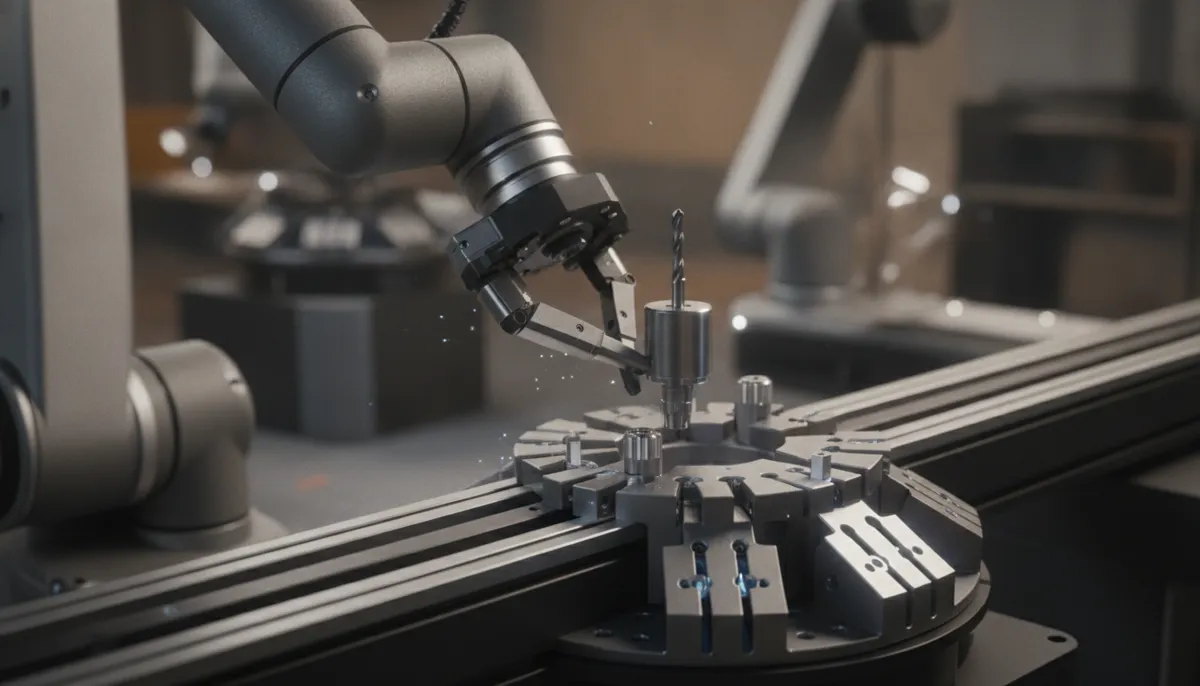
A key enabler of CNC swarm robotics is the modular quick-change tooling system. Robots can switch between milling, drilling, grinding, and deburring heads rapidly without manual intervention. This modularity means a single swarm can handle complex multi-step machining processes — from roughing to finishing — within one production cell, eliminating inter-cell transfer time and reducing work-in-progress inventory.
3. CNC Swarm Robotics vs Traditional CNC Cell: Side-by-Side Comparison
| Criteria | Traditional CNC Cell | CNC Swarm Robotics |
|---|---|---|
| Control Architecture | Centralized, fixed program per machine | Decentralized, autonomous per-robot decision-making |
| Reconfiguration Time | Hours to days (reprogramming required) | Minutes (self-organizing, no reprogramming) |
| Fault Tolerance | Low — one machine down halts the line | High — tasks redistributed automatically |
| Scalability | Difficult — requires new cell design | Easy — add/remove robots on demand |
| Best For | High-volume, low-mix production | High-mix, low-to-medium volume production |
| Upfront Investment | Lower per machine | Higher initial system cost |
| Typical ROI Period | 3–5 years | 12–24 months (high-mix environments) |
| Integration with MES/ERP | Varies by machine brand | OPC UA / MTConnect standard protocols |
4. Core Features of a CNC Swarm Robotics System
4.1 Real-Time Quality Feedback Loop
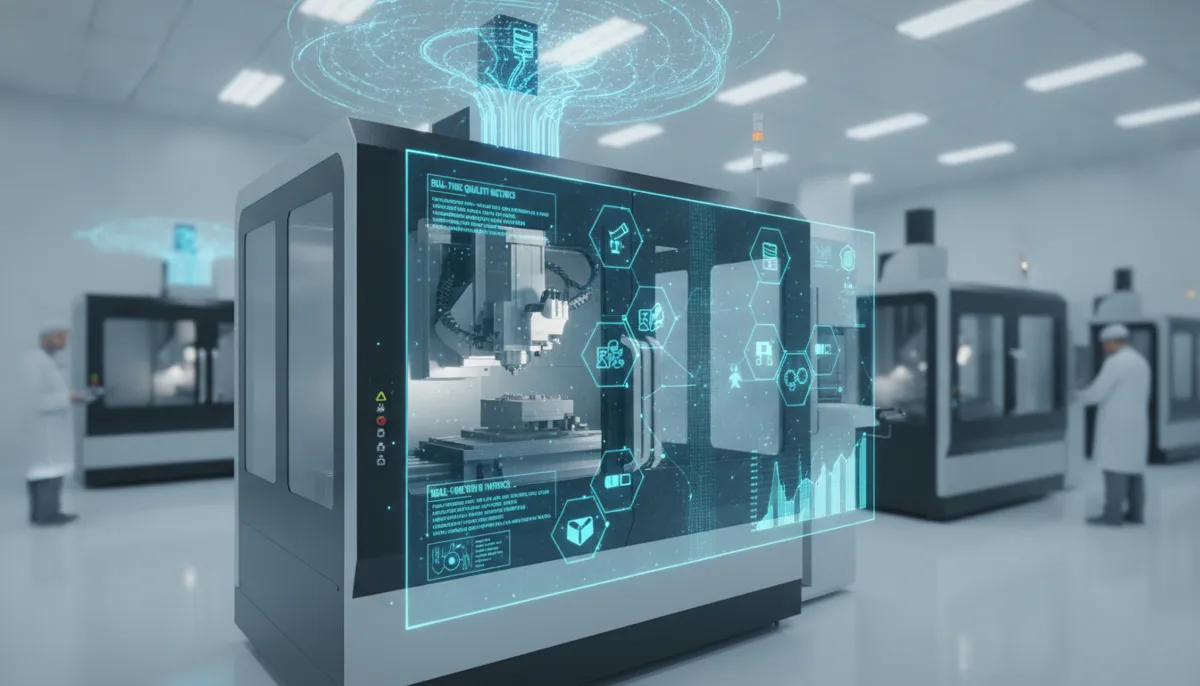
Each robot is equipped with in-process measurement sensors (touch probes, laser scanners, or vision systems) that feed dimensional data back into the swarm’s shared intelligence layer. If one robot detects a deviation on a part, it can flag the issue, adjust its own parameters, and alert neighboring robots handling related operations — all in real time. This closed-loop quality control reduces scrap rates without requiring a dedicated inspection station.
4.2 MES and ERP Integration via Open Protocols
CNC swarm systems built on open industrial communication standards (OPC UA, MTConnect) can interface directly with major MES platforms such as Siemens Opcenter, Rockwell FactoryTalk, and SAP ME. This means production orders, tool life data, and OEE metrics flow seamlessly between the swarm controller and your existing factory management systems — no proprietary black-box middleware required.
4.3 Predictive Maintenance via Edge Analytics
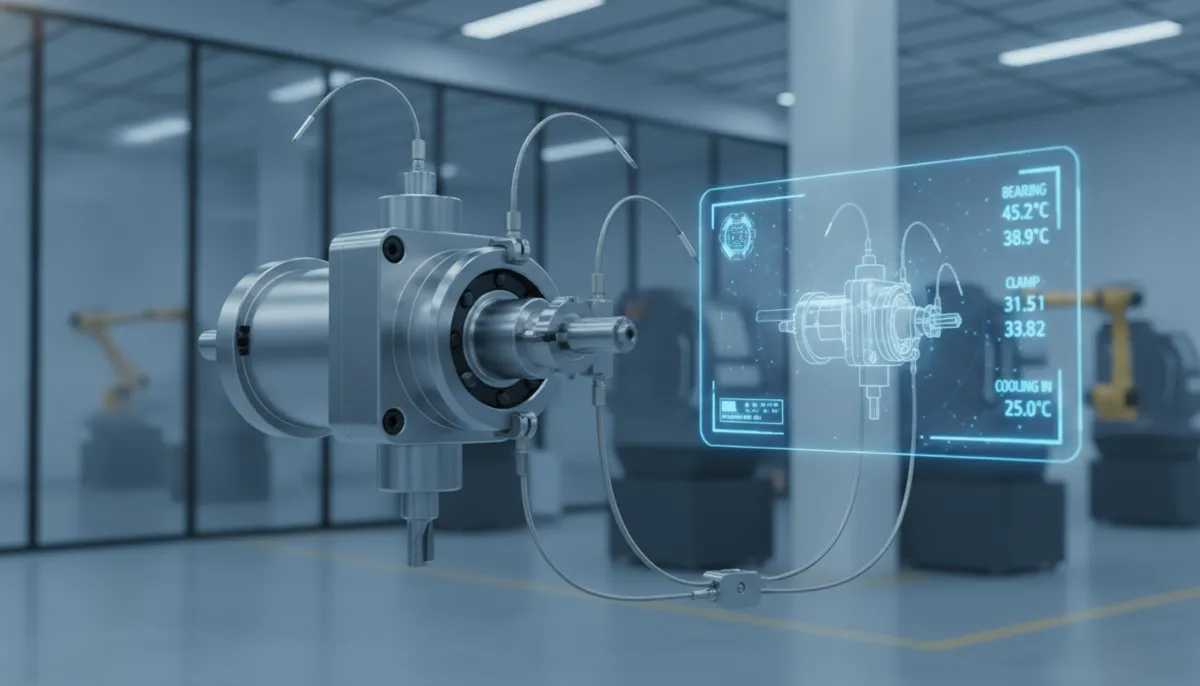
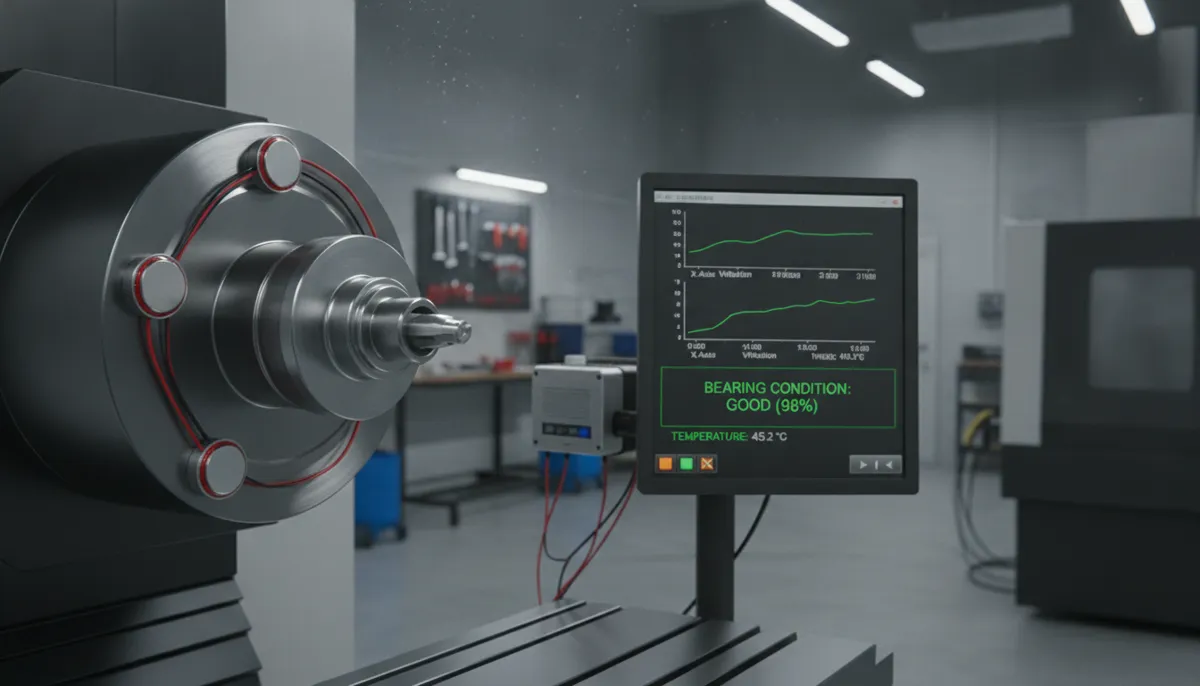
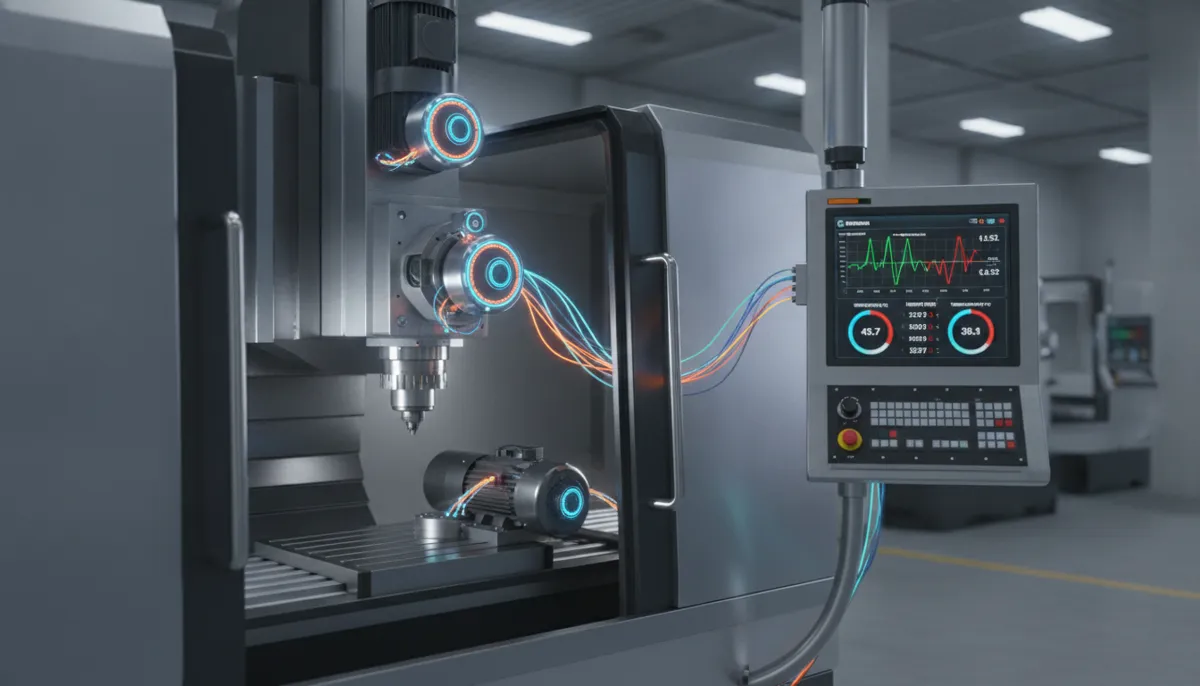
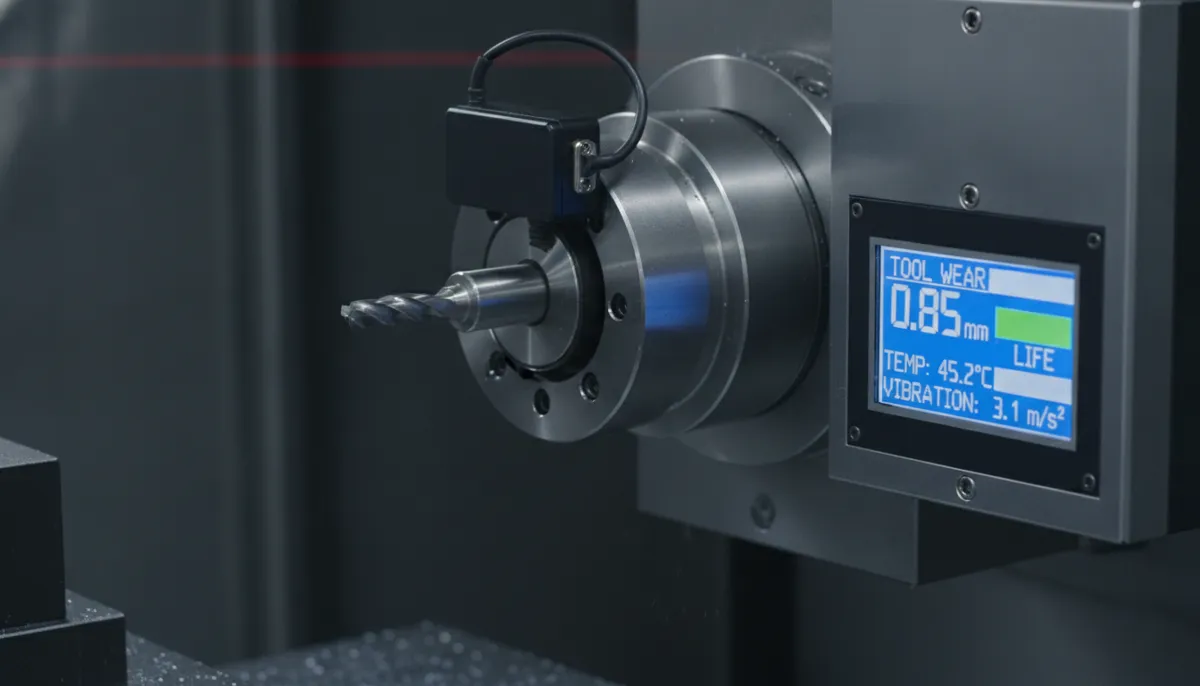
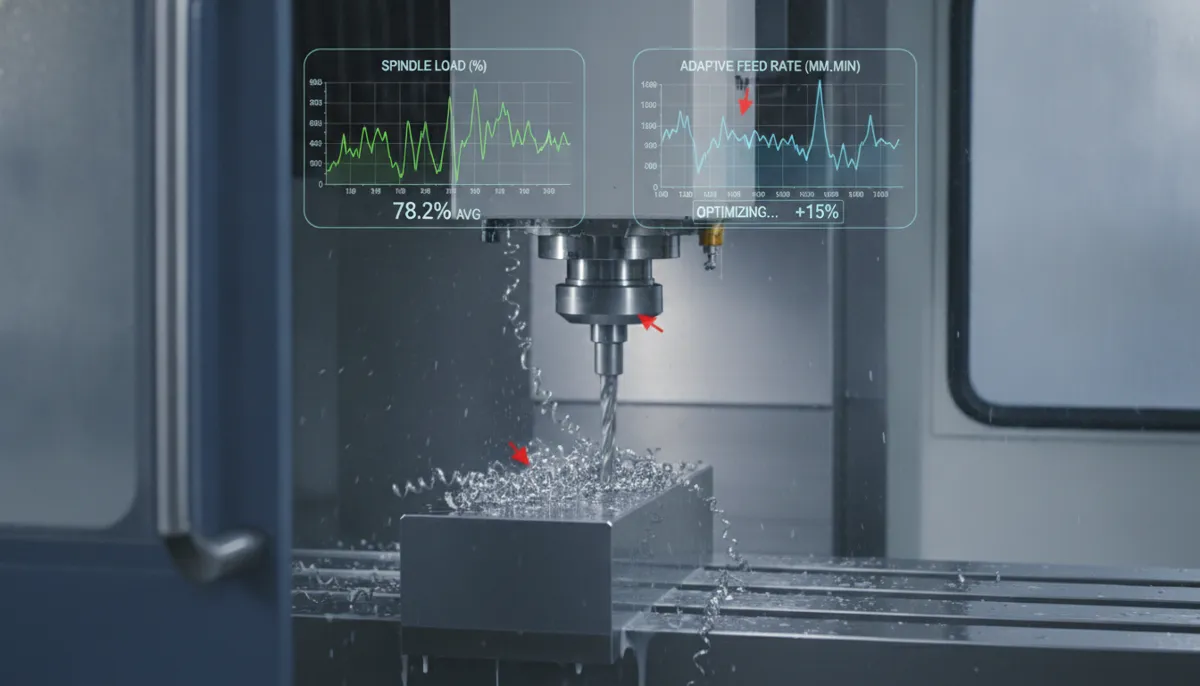
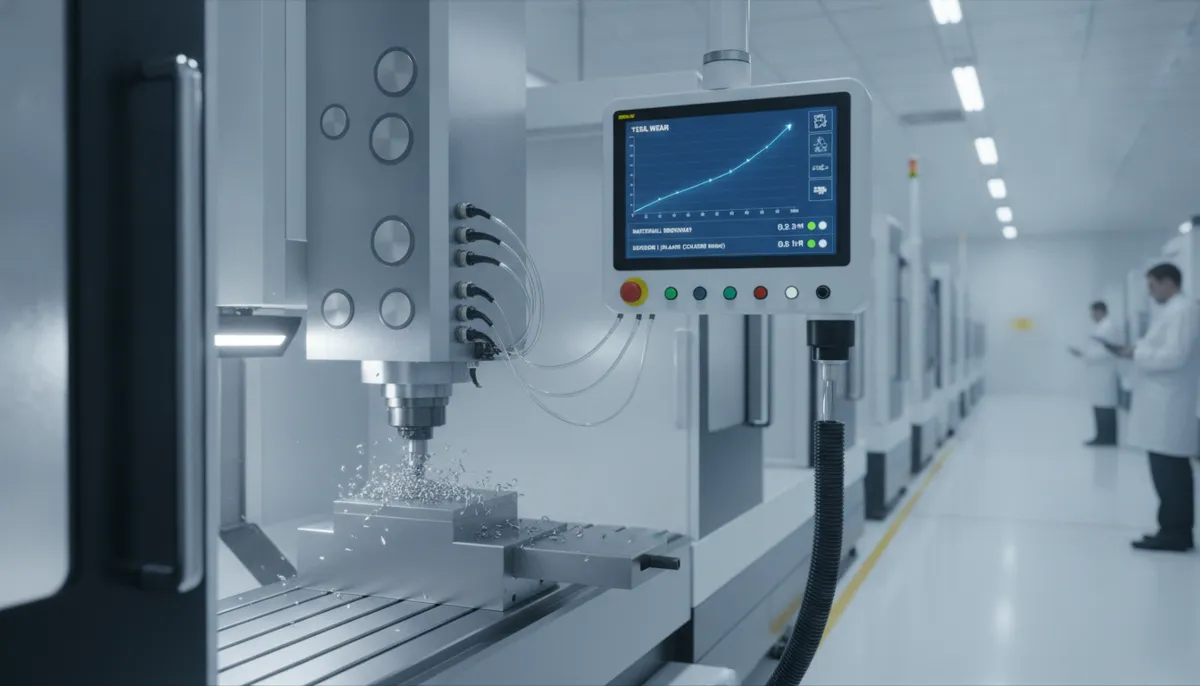
Edge processors embedded in each robot controller monitor spindle load, vibration signatures, and tool wear indicators in real time. Predictive maintenance algorithms flag anomalies before they cause failures, allowing scheduled interventions during planned downtime rather than unplanned stoppages. Industry data shows predictive maintenance can reduce unplanned downtime by up to 41% in high-utilization manufacturing environments (Mordor Intelligence, 2026).
5. Real-World Application: Aerospace Component Manufacturing
Scenario: A mid-sized aerospace supplier producing titanium alloy structural brackets faced a critical bottleneck. Their traditional CNC machining cell required full retooling between part families, generating lead times of 8 weeks and significant idle machine time between batches.
Solution: The facility deployed a 12-unit CNC swarm robotics system. The swarm autonomously organized into sub-groups to machine different part families simultaneously, with real-time quality feedback between units eliminating the need for a separate inspection stage.
| Metric | Before Swarm | After Swarm | Change |
|---|---|---|---|
| Lead Time per Batch | 8 weeks | 2 weeks | ▼ 75% |
| Scrap Rate | ~6.2% | ~5.1% | ▼ 18% |
| Machine Utilization (OEE) | ~54% | ~79% | ▲ 46% |
| System Payback Period | — | 14 months | — |
The improvement in OEE aligns with broader industry findings: AI and IIoT-enabled smart factory deployments consistently deliver measurable gains in utilization and quality across automotive, aerospace, and electronics sectors (Frontiers in Robotics and AI, 2025).
6. What Manufacturers Around the World Are Saying
“We were producing low-volume, high-mix aerospace sub-assemblies with a traditional CNC cell and spending more time on setup and retooling than actual cutting. After consulting with Bella’s team at QFCNCMACHINE, we transitioned to a swarm-capable configuration. The self-organizing task allocation alone cut our changeover time by more than half. The 2-year warranty and responsive after-sales support gave us the confidence to make the investment. It has paid for itself ahead of schedule.”
“Our shop runs over 40 different part numbers for the medical device industry — exactly the kind of high-mix environment where swarm robotics shines. QFCNCMACHINE’s team walked us through the integration with our existing MES system step by step. We were up and running in three weeks. Throughput is up, scrap is down, and our operators actually prefer working alongside the swarm because it handles the repetitive heavy lifting. Genuinely one of the best capital investments we’ve made.”
“เราผลิตชิ้นส่วนยานยนต์ให้กับ OEM หลายราย และความต้องการเปลี่ยนแปลงบ่อยมาก ระบบ CNC swarm robotics ช่วยให้เราปรับสายการผลิตได้อย่างรวดเร็วโดยไม่ต้องหยุดสายการผลิต ทีมงานของ QFCNCMACHINE ให้การสนับสนุนด้านเทคนิคที่ยอดเยี่ยม และการรับประกัน 2 ปีทำให้เรามั่นใจในการลงทุน ขณะนี้เราวางแผนขยายระบบเพิ่มอีก 6 หน่วยในปีหน้า”
7. Pros & Cons of CNC Swarm Robotics
✅ Advantages
- High flexibility: Adapts to product changes without hardware reconfiguration or reprogramming
- Fault tolerance: Robot failure triggers automatic task redistribution — no line stoppage
- Scalability: Add or remove units as production volume changes
- Parallel processing: Multiple part families machined simultaneously
- Closed-loop quality: In-process measurement reduces scrap without a separate inspection stage
- MES/ERP ready: Open protocols (OPC UA, MTConnect) for seamless integration
❌ Considerations
- Higher upfront investment compared to a single large CNC machine
- Staff training required on swarm management software and network architecture
- Best ROI in high-mix environments — less advantageous for pure high-volume, single-part production
- Network infrastructure dependency: Requires reliable industrial mesh network on the shop floor
- Integration complexity for legacy MES systems without OPC UA support
8. Frequently Asked Questions About CNC Swarm Robotics
How does CNC swarm robotics differ from a traditional CNC machining cell?
A traditional CNC cell uses fixed machines, each performing a dedicated operation, with parts moving sequentially through the line. CNC swarm robotics uses autonomous robots that can perform multiple operations and dynamically allocate tasks among themselves based on real-time conditions. This enables parallel processing, rapid reconfiguration, and inherent fault tolerance — making it ideal for high-mix, low-volume production where part families change frequently.
What is the typical ROI period for a CNC swarm robotics system?
ROI depends on production volume, part complexity, labor costs, and current OEE. In high-mix manufacturing environments (aerospace, medical, automotive tier-2), most facilities see full payback within 12–24 months, driven by reduced setup time, lower scrap rates, and decreased direct labor requirements. For a 10–12 robot system in a mid-size job shop, the combination of throughput increase and tooling savings typically generates the most significant cost reductions in the first year of operation.
Can a CNC swarm system integrate with our existing MES or ERP platform?
Yes. Swarm robotics systems built on open industrial communication standards — specifically OPC UA and MTConnect — can interface with major MES platforms including Siemens Opcenter, Rockwell FactoryTalk, SAP ME, and others. Custom API integrations are also available for legacy systems. Before purchasing, always verify that your MES vendor supports OPC UA connectivity, as this is the most reliable integration path.
Is CNC swarm robotics suitable for small and medium-sized manufacturers?
Yes, particularly for SMEs with high product variety and variable batch sizes. The scalability of swarm systems means you can start with a smaller number of robots (as few as 4–6 units) and expand as production demands grow — without redesigning the cell. The Robot-as-a-Service (RaaS) financing model, increasingly offered by system integrators, also reduces the upfront capital barrier for SMEs. Government automation subsidies available in Germany, the US, South Korea, and China can further offset initial investment costs.
What warranty and after-sales support does QFCNCMACHINE provide?
All CNC machine solutions from QFCNCMACHINE come with a 2-year warranty covering manufacturing defects and component failures under normal operating conditions. Our technical support team provides remote diagnostics, spare parts dispatch, and on-site engineer visits where required. Warranty applies to quality-related issues; consumable items are not covered. For quality-related problems, we fully support returns and refunds. Contact us for full warranty terms and after-sales service details.
How do I evaluate whether CNC swarm robotics is right for my factory?
Start by analyzing three key metrics from your current operation: (1) product mix ratio — how many different part numbers do you run per month? (2) setup-to-run time ratio — what percentage of your cycle time is spent on changeovers? (3) current OEE — if your OEE is below 65%, swarm robotics can typically deliver significant improvement. If your mix is high and your setup time exceeds 20% of total production time, a swarm system will almost certainly deliver positive ROI within two years.
Ready to Explore CNC Swarm Robotics for Your Factory?
Talk to Bella and our engineering team (15 years in CNC manufacturing, 750+ global clients) for a free consultation and ROI assessment tailored to your production environment. Factory direct from Dongguan, China since 2010 — serving Europe, North America, and Southeast Asia.
References
- Mordor Intelligence. Industrial Robotics Market Size, Share & Growth Trends Report, 2026–2031. (2026). https://www.mordorintelligence.com/industry-reports/industrial-robotics-market
- Grand View Research. Industrial Robotics Market Size, Share & Trends Analysis Report, 2026–2033. (2026). https://www.grandviewresearch.com/industry-analysis/industrial-robotics-market
- Frontiers in Robotics and AI. Towards Applied Swarm Robotics: Current Limitations and Future Directions. (2025). https://doi.org/10.3389/frobt.2025.1607978
- Mordor Intelligence. CNC Machines Market Size, Share & Growth Trends Report. (2026). https://www.mordorintelligence.com/industry-reports/cnc-machines-market