CNC Lights-Out Manufacturing: The Complete 2025 Guide to Unmanned Production
CNC lights-out manufacturing — the practice of running CNC machining centers continuously, unattended, through nights and weekends — has moved from a niche capability to a mainstream competitive strategy for precision manufacturers worldwide. At QFCNCMACHINE.COM, we have been designing, manufacturing, and exporting CNC machining centers since 2010, supporting 750+ clients across Europe, North America, and Southeast Asia from our factory in Dalingshan, Dongguan, Guangdong, China. In this guide, we break down exactly what CNC lights-out manufacturing requires, which technologies make it reliable, what realistic ROI looks like, and how to evaluate whether your operation is ready to make the transition.
1. The Market Case for CNC Lights-Out Manufacturing
The global dark factory and lights-out manufacturing market was valued at USD 119.2 billion in 2024 and is projected to grow to USD 194.6 billion by 2030, driven by rising labor costs, skilled worker shortages, and the accelerating adoption of industrial robotics and AI-based process control (Grand View Research, Dark Factories Market Size & Share Report, 2025–2030). A separate analysis puts the dark factory lights-out manufacturing segment at USD 60.26 billion in 2025, forecast to reach USD 145.8 billion by 2034 at a CAGR of 10.3% (MarketIntelo, Dark Factory Lights-Out Manufacturing Market Report, 2025).
On the maintenance side — a critical enabler of reliable unmanned operation — the global predictive maintenance market was valued at USD 9.94 billion in 2024 and is projected to reach USD 58.79 billion by 2032 at a CAGR of 27.45%, reflecting the rapid adoption of sensor-based condition monitoring and AI-driven failure prediction in manufacturing environments (Verified Market Research, Predictive Maintenance Market Size and Forecast, 2024). Industry data consistently shows that manufacturers deploying predictive maintenance achieve 25–40% reductions in maintenance costs compared to reactive maintenance strategies (OxMaint, Predictive Maintenance ROI Case Studies in Manufacturing, 2024).
2. What Is CNC Lights-Out Manufacturing? A Practical Definition
CNC lights-out manufacturing refers to a production configuration in which CNC machines operate continuously — typically overnight, over weekends, or across multiple shifts — without direct human supervision. The term originates from the ability to literally turn off the factory lights when no operators are present. True lights-out operation requires a coordinated stack of automation technologies working reliably together:
- Automated workpiece loading/unloading: Robotic arms, pallet changers, or bar feeders supply raw material and remove finished parts without operator intervention
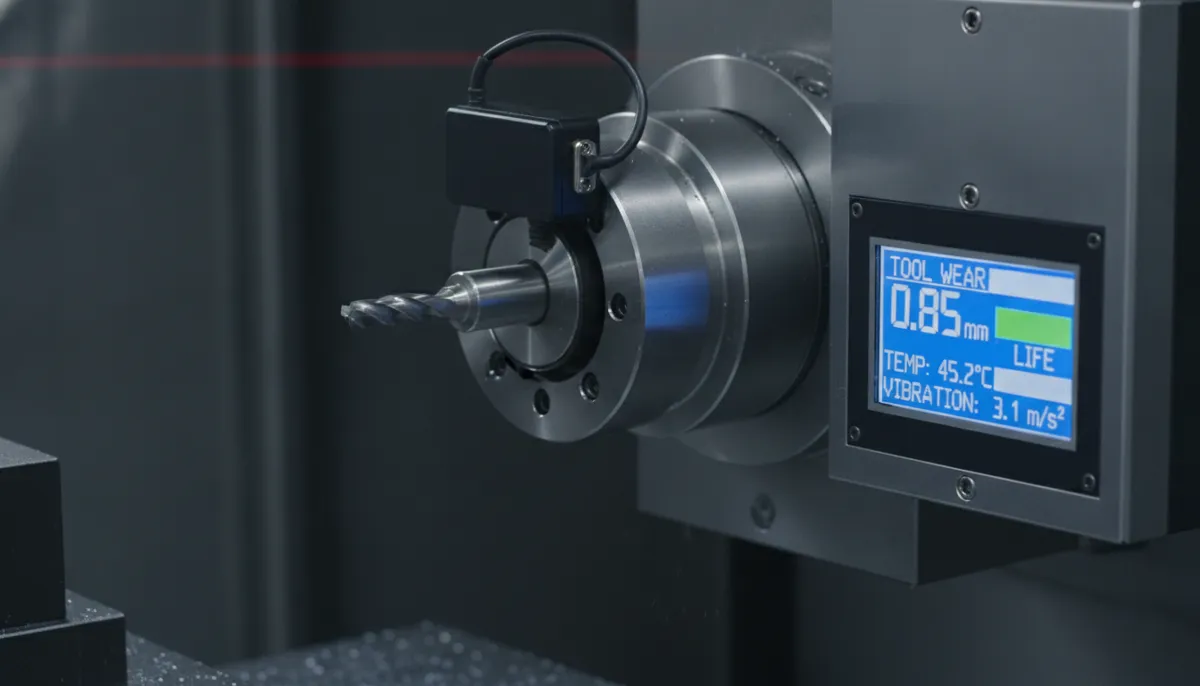
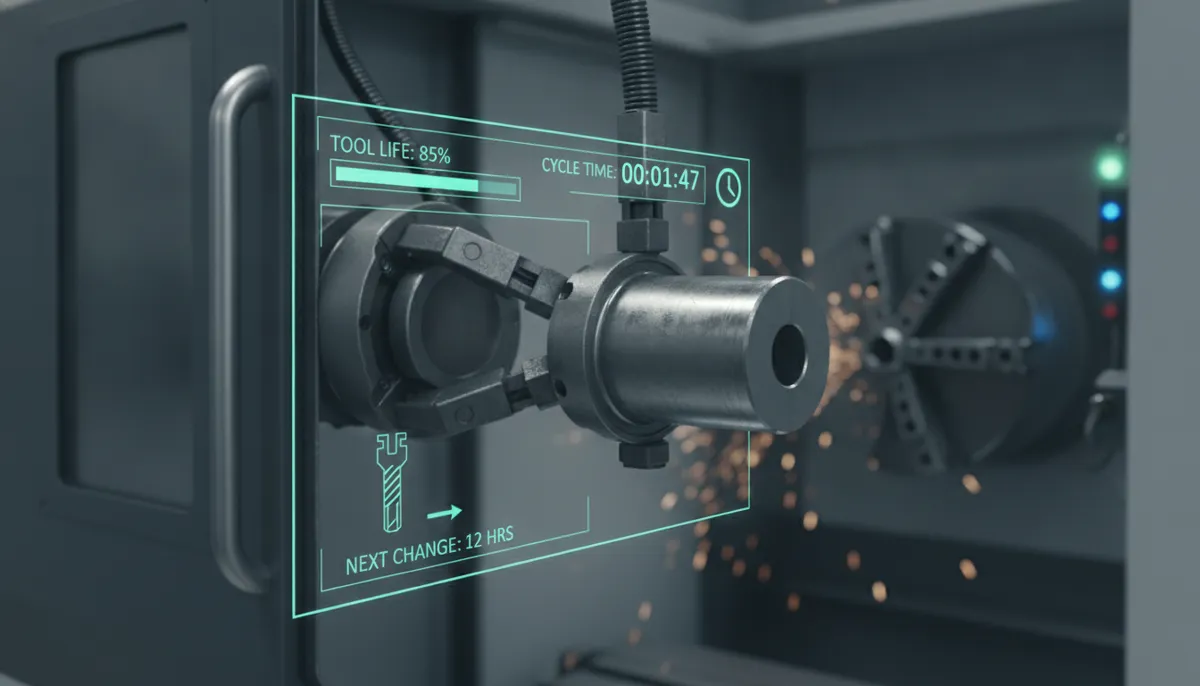
- Automated tool management: High-capacity tool magazines (typically 24–120 tools), automatic tool length measurement, and tool breakage detection ensure the machine can continue running through multiple tool changes
- In-process gauging and inspection: On-machine probing systems measure critical dimensions during the cycle and feed corrections back to the controller in real time, maintaining dimensional accuracy without a human inspector
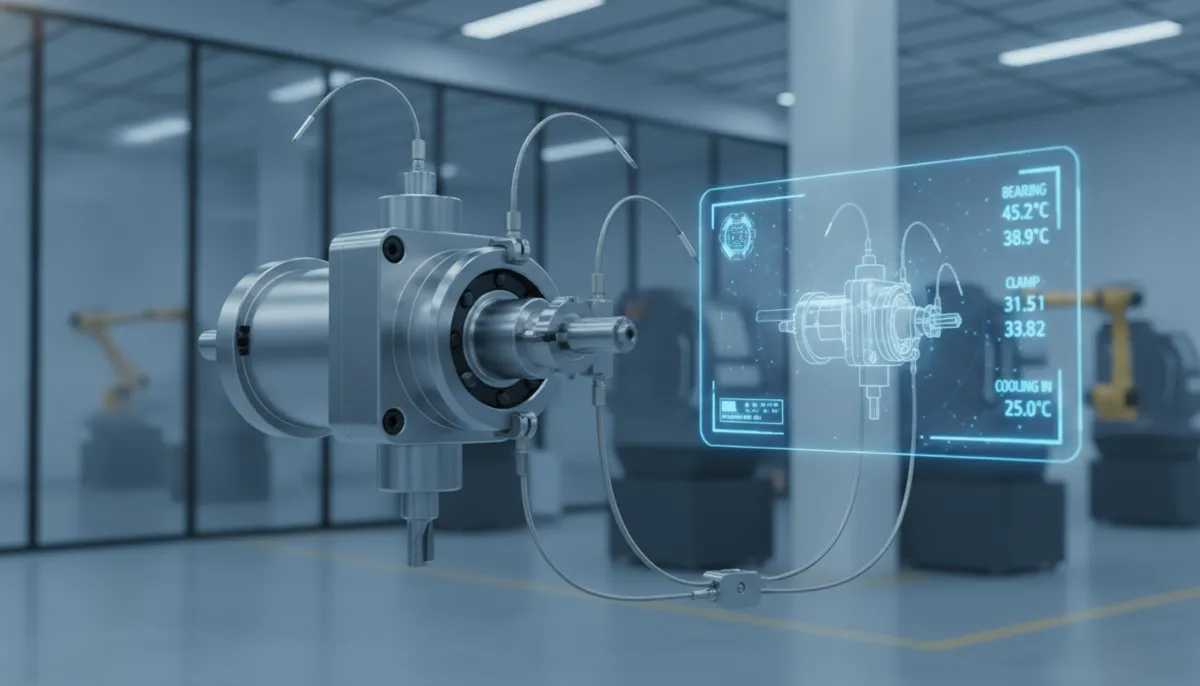
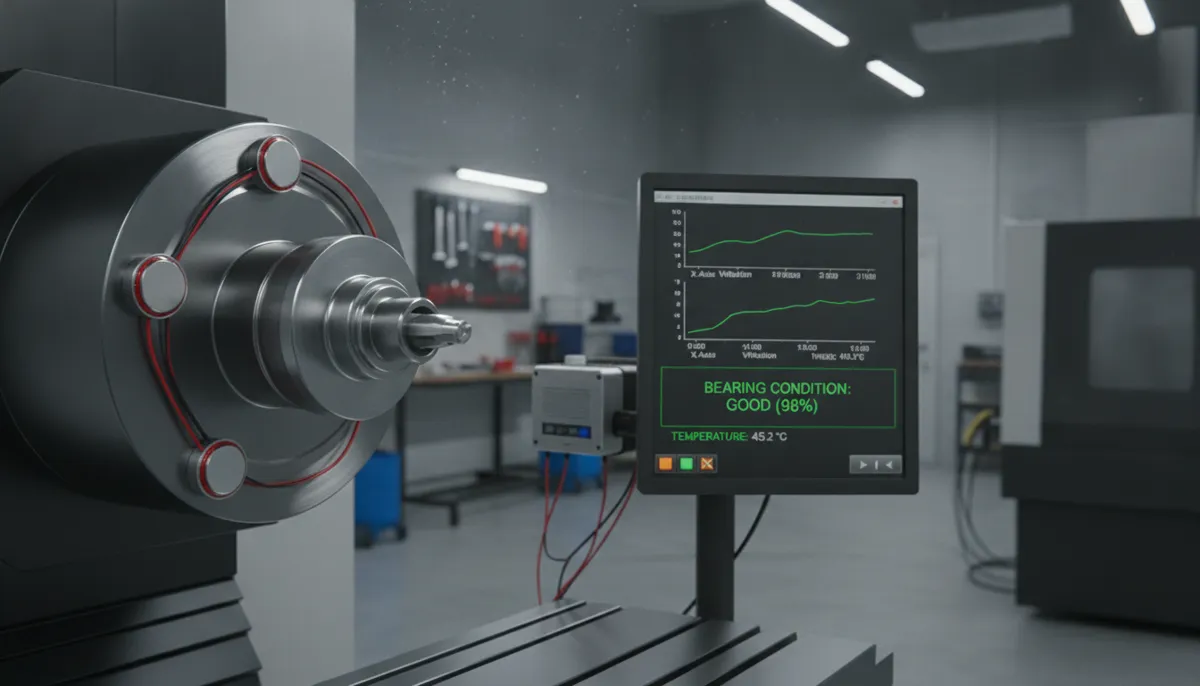
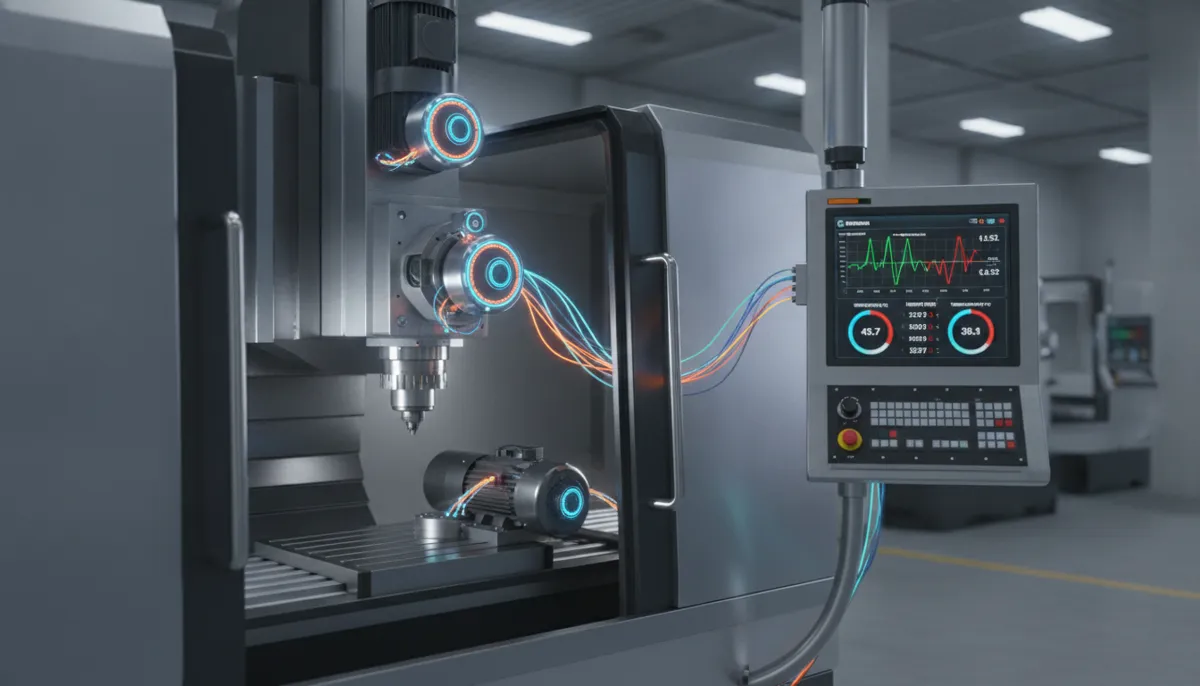
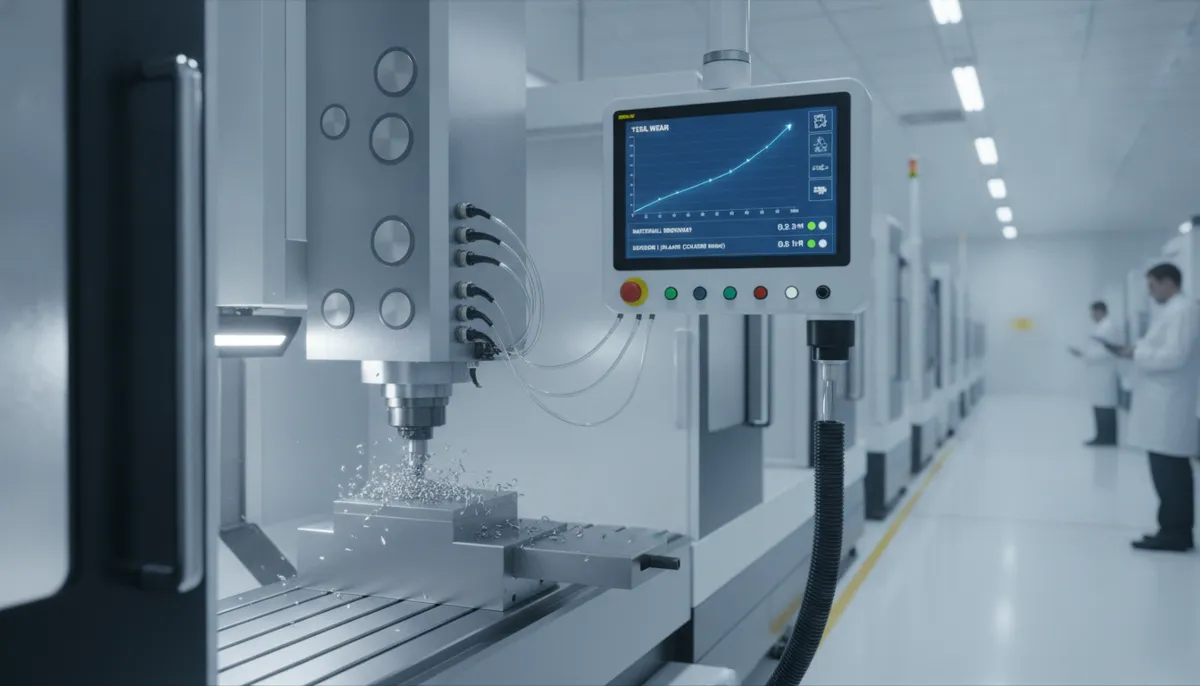
- Predictive and condition-based maintenance: Vibration, temperature, and current sensors monitor spindle health, bearing condition, and coolant levels, triggering alerts before failures occur
- Remote monitoring and alarm systems: Operators receive SMS or email alerts for any out-of-tolerance condition, tool breakage, or system fault — enabling a single technician to supervise multiple machines from off-site
The critical distinction between partially automated and true lights-out CNC production is the depth of integration between these systems. A machine with an automatic pallet changer but no in-process gauging will accumulate dimensional drift overnight. A machine with probing but no tool breakage detection will crash on a broken tool at 2 AM. Reliable CNC lights-out manufacturing requires all layers working in concert.
3. Core Technologies: Lights-Out CNC vs Standard CNC Operation
| Technology Layer | CNC Lights-Out Configuration | Standard CNC Operation |
|---|---|---|
| Workpiece Loading | Robotic arm / pallet changer / bar feeder — fully automated | Manual operator loading per cycle |
| Tool Management | High-capacity magazine (24–120T), auto tool measurement, breakage detection | Operator-managed tool changes, manual offset entry |
| Quality Control | In-process probing, automatic offset correction, SPC data logging | Post-process manual inspection, CMM offline |
| Maintenance Strategy | Sensor-based condition monitoring, predictive alerts 24–48 hrs in advance | Scheduled preventive maintenance or reactive repair |
| Operator Requirement | 1 technician monitoring 6–12 machines remotely | 1 operator per 1–2 machines per shift |
| Annual Machine Utilization | Up to 6,000–7,000 hrs/year (vs 2,000–2,500 standard) | Typically 2,000–2,500 hrs/year (single shift) |
| Best Suited For | High-volume families, repeat precision parts, expensive materials | Prototypes, one-offs, highly variable low-volume work |
| Initial Investment | Higher — automation peripherals add 30–80% to base machine cost | Lower — base machine only |
4. Real-World Use Cases for CNC Lights-Out Manufacturing
4.1 High-Volume Precision Parts: Automotive Aluminum Connectors
Challenge: An automotive tier-1 supplier needed to produce high volumes of aluminum structural connectors per week to ±0.01mm tolerance. Single-shift manual operations produced inconsistent quality due to operator fatigue on the night shift, with scrap rates running above acceptable thresholds and frequent overtime costs eroding margins.
Approach: The supplier implemented a CNC lights-out manufacturing configuration on their VMC line, integrating a 6-pallet automatic pallet changer, 60-tool magazine, on-machine probing with automatic offset correction, and a remote monitoring dashboard accessible via mobile.
Outcome: The line now runs across all three shifts with a single technician on call. Scrap rates dropped significantly as human-error-driven dimensional variation was eliminated. Machine utilization increased from approximately 40% (single shift) to over 80% (near-continuous operation), and the automation investment was recovered within approximately 16 months — consistent with industry benchmarks for high-volume aluminum machining.
4.2 Complex 5-Axis Components: Titanium Aerospace Impellers
Challenge: An aerospace sub-contractor machining titanium impellers faced a skilled labor shortage that made night-shift operation economically and practically unviable. Manual setups on complex 5-axis fixtures were time-consuming, and the cost of a setup error on titanium blanks was significant.
Approach: The team transitioned to a fully automated 5-axis machining center with a zero-point clamping system, automated fixture identification via RFID, and in-process probing to verify datum alignment before each cycle. The predictive maintenance module monitored spindle vibration and coolant pressure continuously.
Outcome: Setup time per part was reduced dramatically. The machine now runs extended unmanned periods daily, with planned maintenance windows. One process engineer monitors the cell remotely. The skilled labor constraint was effectively decoupled from production output.
4.3 High-Mix Low-Volume: Job Shop Overnight Utilization
Challenge: A precision job shop handling a wide variety of part numbers struggled with low machine utilization — machines sat idle overnight and on weekends despite a full order book. Frequent changeovers made it difficult to justify automation investment on any single part family.
Approach: Rather than full lights-out on all machines, the shop implemented a hybrid strategy: identifying the 20% of part numbers that represented 70% of recurring volume, setting those families up for lights-out overnight runs, and reserving daytime capacity for high-mix manual work. Intelligent scheduling software optimized the overnight queue automatically.
Outcome: Overall machine utilization increased substantially. The overnight lights-out runs on repeat part families generated additional revenue with near-zero incremental labor cost, improving the shop’s overall profitability without requiring a full facility-wide automation overhaul.
5. What Clients Say About CNC Lights-Out Manufacturing
“We were running a single shift on our VMC line and leaving significant capacity on the table every night. After working with QFCNCMACHINE to configure our machines for lights-out operation — pallet changers, on-machine probing, the full setup — we now run effectively around the clock on our repeat aluminum parts. The 2-year warranty gave us confidence to push the system hard from day one. Bella’s team was responsive throughout the commissioning process and genuinely understood our production constraints.”
“Our biggest challenge was the skilled labor shortage for night shifts — we simply couldn’t find qualified CNC operators willing to work nights consistently. Transitioning to a lights-out configuration on our high-volume families solved the problem at the root. Scrap on those part numbers dropped noticeably once human variability was removed from the overnight runs. QFCNCMACHINE’s technical support team walked us through the in-process probing setup in detail, and the machine has been rock solid since installation.”
“เราเผชิญกับปัญหาการขาดแคลนช่างฝีมือในกะกลางคืนมาหลายปี การเปลี่ยนมาใช้ระบบ CNC lights-out manufacturing กับเครื่องจักรจาก QFCNCMACHINE ช่วยให้เราเพิ่มอัตราการใช้งานเครื่องจักรได้อย่างมีนัยสำคัญ ช่างเทคนิคเพียงคนเดียวสามารถดูแลเครื่องได้หลายเครื่องพร้อมกันผ่านระบบ remote monitoring การรับประกัน 2 ปีและทีมสนับสนุนของ Bella ทำให้เรามั่นใจในการลงทุนครั้งนี้มาก”
6. Pros & Cons of CNC Lights-Out Manufacturing
✅ Advantages
- Dramatically higher machine utilization: From ~2,000 hrs/year (single shift) to 6,000–7,000 hrs/year with continuous operation
- Reduced labor cost per part: One technician can supervise 6–12 machines remotely, versus 1 operator per 1–2 machines manually
- Consistent quality: In-process probing and automatic offset correction eliminate operator-fatigue-driven dimensional variation
- Improved workplace safety: Removing operators from the cutting zone during unattended runs reduces exposure to chips, coolant mist, and machine hazards
- Competitive advantage: Faster lead times and lower cost-per-part versus competitors running single-shift manual operations
- Predictive maintenance ROI: Industry data shows 25–40% maintenance cost reduction versus reactive strategies
❌ Considerations
- Higher upfront investment: Automation peripherals (pallet changers, probing, monitoring) add 30–80% to base machine cost
- Not suited for all work: One-off prototypes and highly variable low-volume jobs are better handled with manual operation
- IT and network infrastructure: Remote monitoring requires reliable connectivity and basic cybersecurity measures
- Programming complexity: Lights-out programs must be thoroughly proven before unattended runs — errors are costlier without an operator present
- Changeover planning required: High-mix environments need careful scheduling to maximize unattended run time per setup
7. Frequently Asked Questions About CNC Lights-Out Manufacturing
What exactly is CNC lights-out manufacturing?
CNC lights-out manufacturing is a production configuration in which CNC machines run continuously — overnight, over weekends, or across multiple shifts — without direct operator supervision. The name comes from the ability to literally turn the factory lights off when no staff are present. It requires a coordinated set of automation technologies: automated workpiece loading, high-capacity tool management, in-process gauging, condition monitoring, and remote alarm systems. When all layers work together reliably, a single technician can supervise an entire cell of machines from off-site.
How does lights-out CNC manufacturing ensure quality without an operator present?
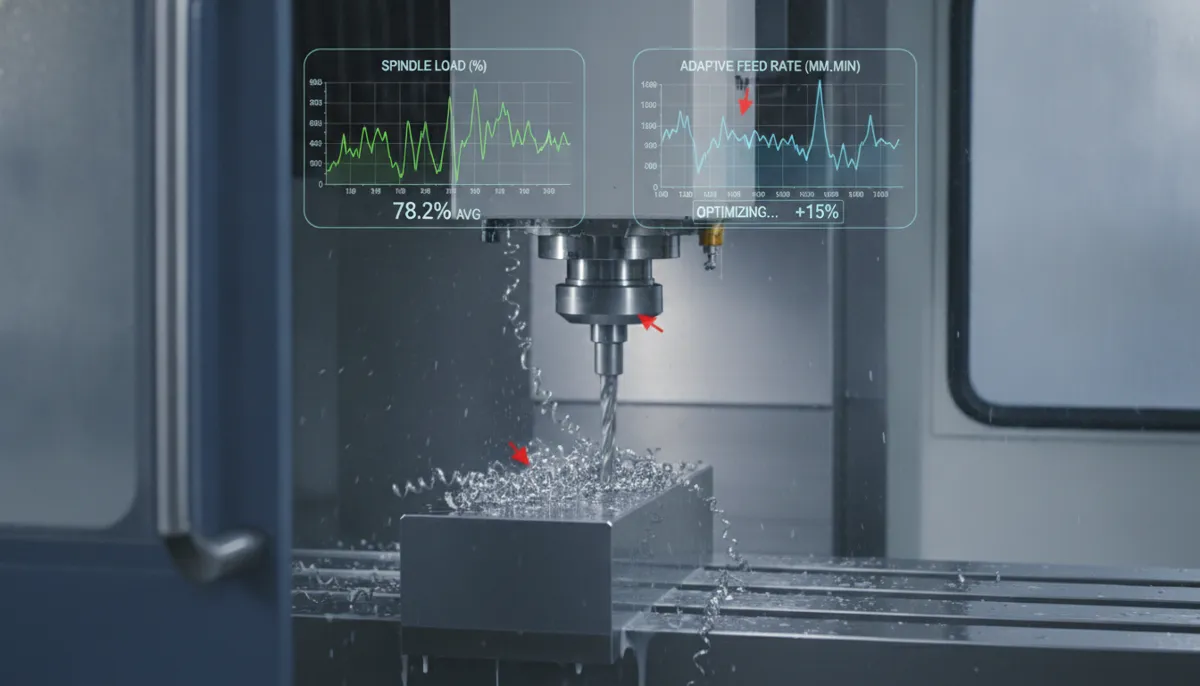
Quality assurance in unattended CNC operation relies on in-process probing — touch-trigger or scanning probes mounted in the tool magazine that measure critical dimensions during the machining cycle. When a measured dimension drifts toward a tolerance limit (due to thermal growth or tool wear), the controller automatically applies an offset correction before the next part. Statistical process control (SPC) data is logged continuously, giving engineers a complete quality record for every part produced overnight. Tool breakage detection (via spindle load monitoring or dedicated sensors) stops the machine immediately if a tool fails, preventing a cascade of scrap parts.
Can I retrofit my existing CNC machines for lights-out operation?
Yes — many lights-out capability elements can be retrofitted to existing CNC machines, depending on the controller platform (Fanuc, Siemens, Mitsubishi, and others all support third-party automation interfaces). Typical retrofit elements include: on-machine probing systems, tool breakage detection modules, remote monitoring interfaces, and pallet changer integration. The feasibility and cost depend on the age and controller type of your existing machines. Contact our team to discuss your specific machine models and production requirements.
What is a realistic ROI timeline for lights-out CNC investment?
ROI timelines vary significantly based on part volume, material cost, current labor rates, and the degree of automation implemented. For high-volume precision parts in expensive materials (titanium, stainless, hardened steel), payback periods of 12–18 months are commonly reported in industry case studies. For lower-volume or lower-margin work, 24–36 months is more typical. The key driver is incremental machine utilization — every additional hour of productive machining time generated by unattended operation contributes directly to ROI. We provide a detailed, customized ROI analysis as part of our free consultation process.
Is lights-out manufacturing suitable for small job shops, or only large facilities?
It is absolutely viable for small and mid-sized job shops — in fact, the hybrid lights-out approach was specifically developed for high-mix environments. The strategy involves identifying the 20–30% of your part numbers that represent recurring volume, setting those families up for unattended overnight runs, and using daytime capacity for custom and prototype work. This approach requires no facility-wide automation overhaul and can be implemented incrementally, starting with a single machine or cell.
What warranty and support does QFCNCMACHINE provide?
All CNC machines from QFCNCMACHINE come with a 2-year warranty covering manufacturing defects and component failures under normal operating conditions. For quality-related issues, we fully support returns and refunds. Our after-sales team provides remote diagnostics, spare parts dispatch, and on-site support where required. Warranty does not cover consumable items (cutting tools, filters, coolant). Contact us for complete warranty terms and after-sales service details.
Ready to Run Your CNC Machines 24/7 Without Extra Staff?
Talk to Bella and our engineering team — 15 years in CNC manufacturing, 750+ global clients across Europe, North America, and Southeast Asia. Factory direct from Dongguan, China since 2010. Get a free lights-out readiness assessment and ROI analysis for your specific production environment.
References
- Grand View Research. Dark Factories Market Size & Share Report, 2025–2030. (2025). https://www.grandviewresearch.com/industry-analysis/dark-factories-market-report
- MarketIntelo. Dark Factory Lights-Out Manufacturing Market Research Report, 2025–2034. (2025). https://marketintelo.com/report/dark-factory-lights-out-manufacturing-market
- Verified Market Research. Predictive Maintenance Market Size and Forecast, 2024–2032. (2024). https://www.verifiedmarketresearch.com/product/predictive-maintenance-market/
- OxMaint. Predictive Maintenance ROI Case Studies in Manufacturing, 2024. (2024). https://oxmaint.com/industries/manufacturing-plant/predictive-maintenance-roi-case-studies-manufacturing
- Mordor Intelligence. CNC Machines Market Size, Share & Growth Trends Report, 2024. (2024). https://www.mordorintelligence.com/industry-reports/cnc-machines-market