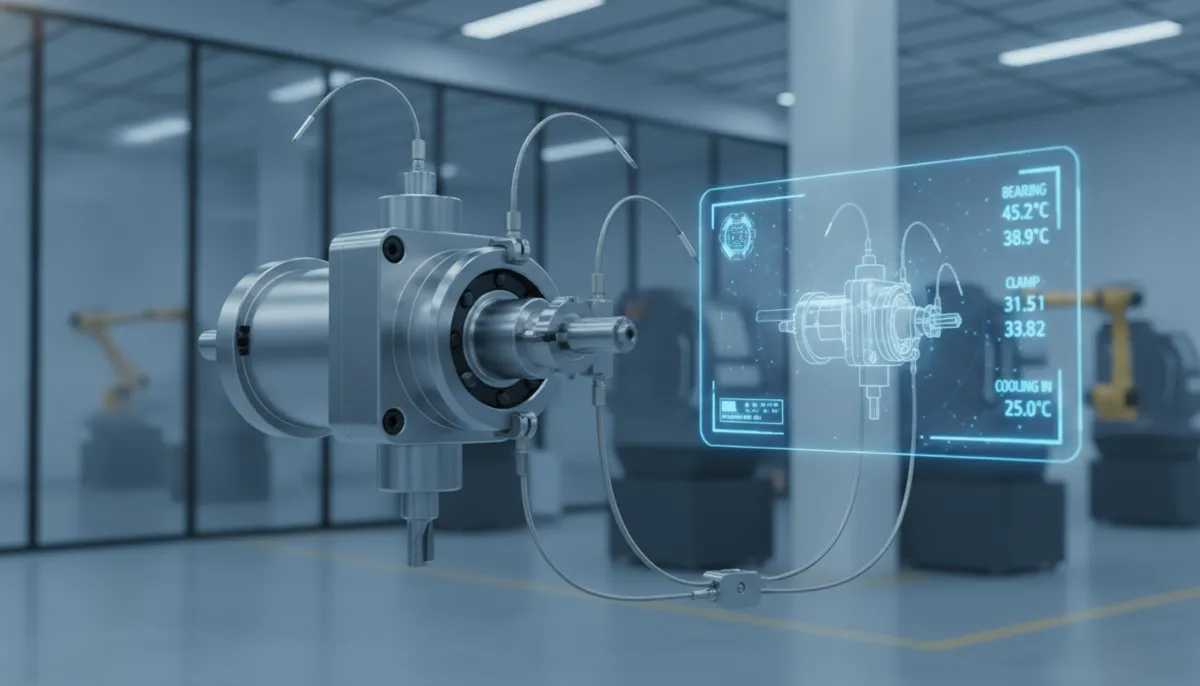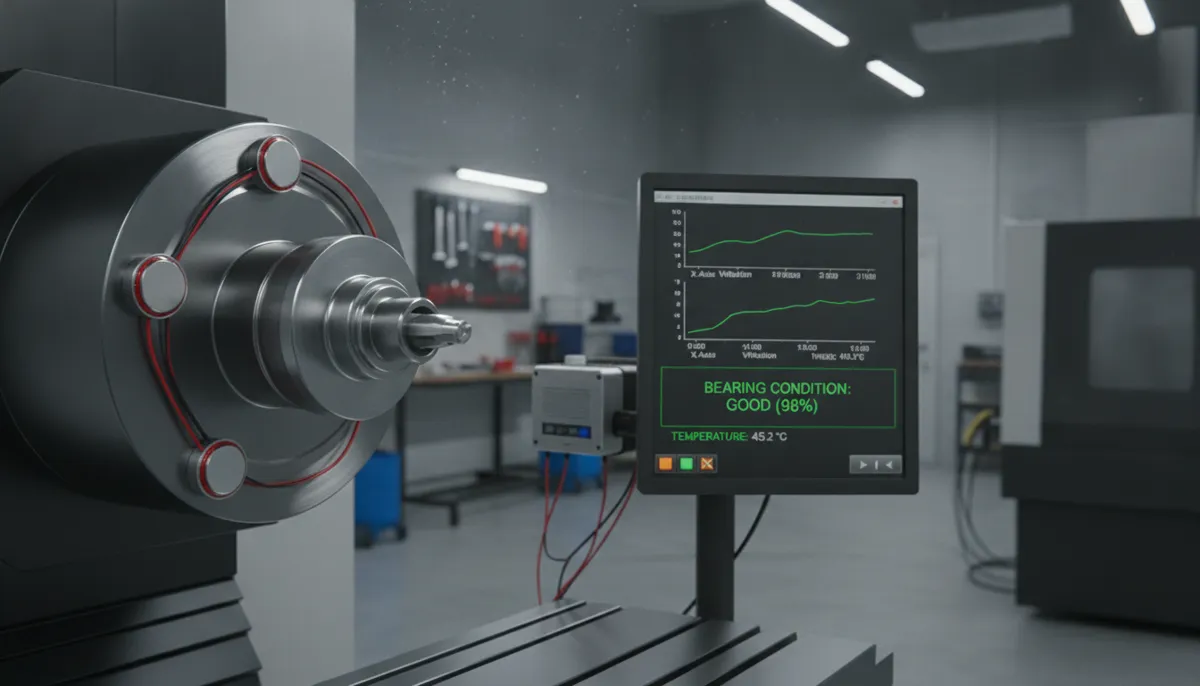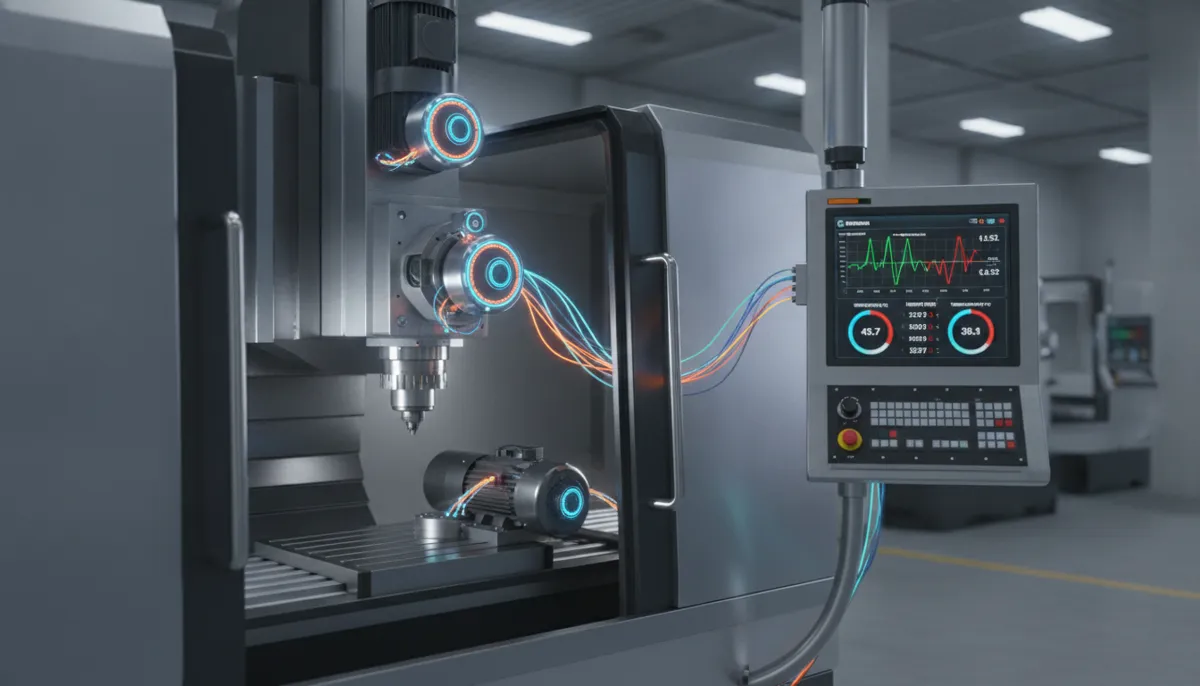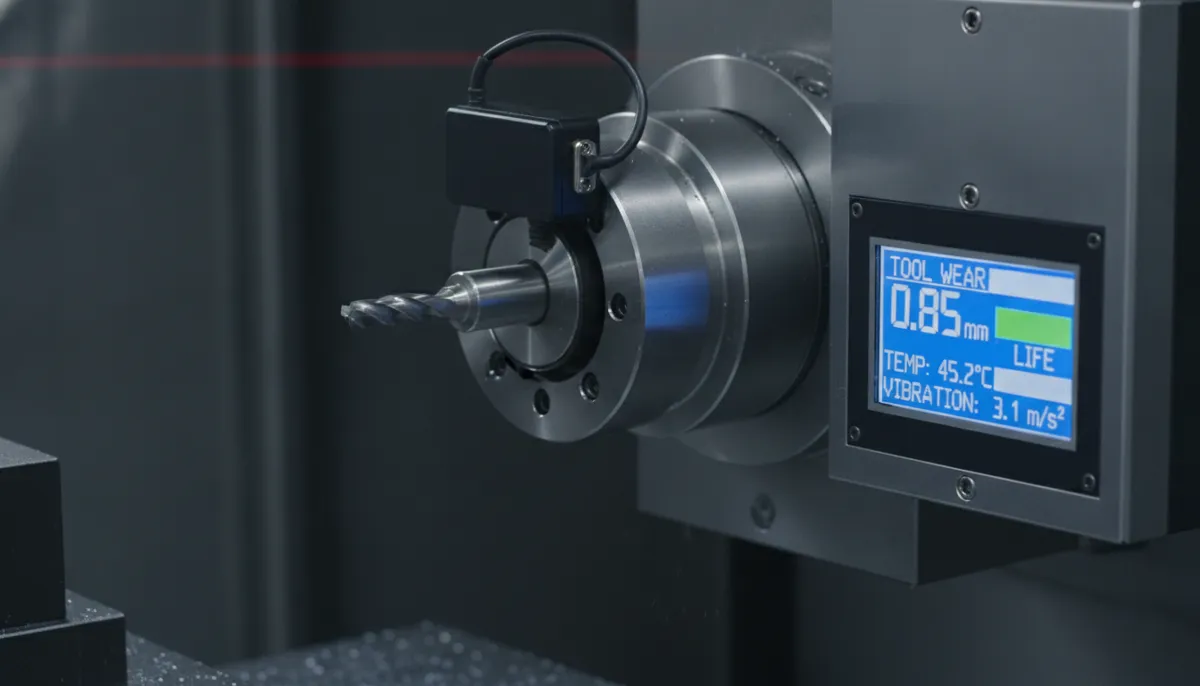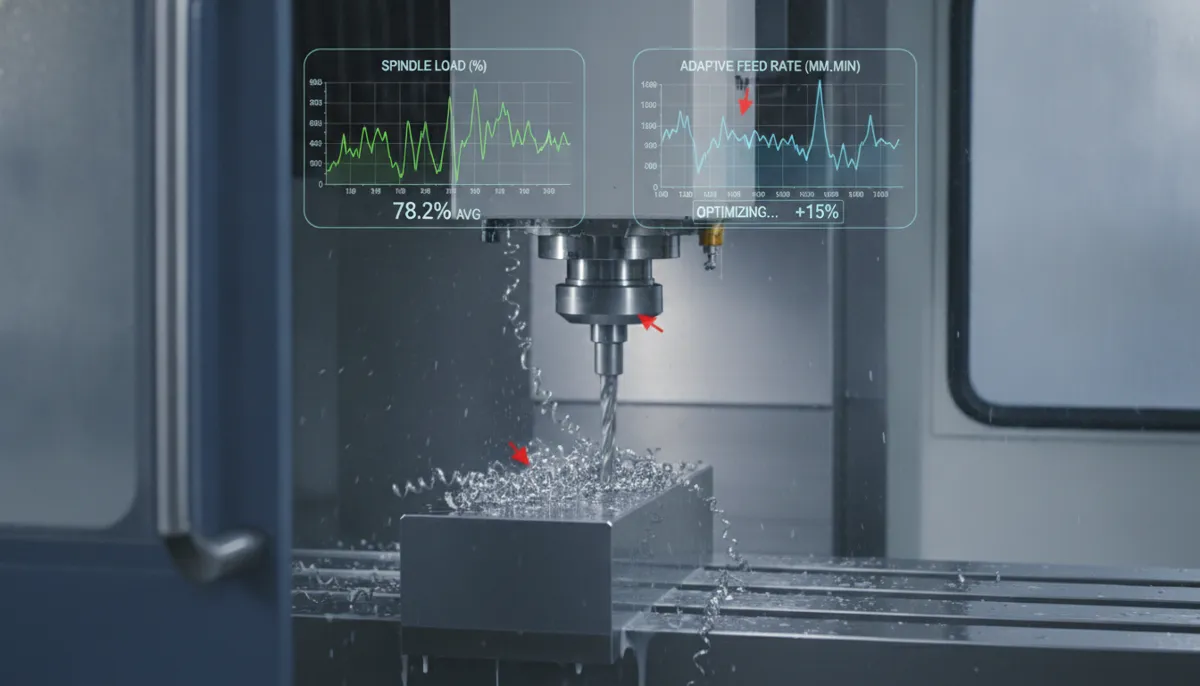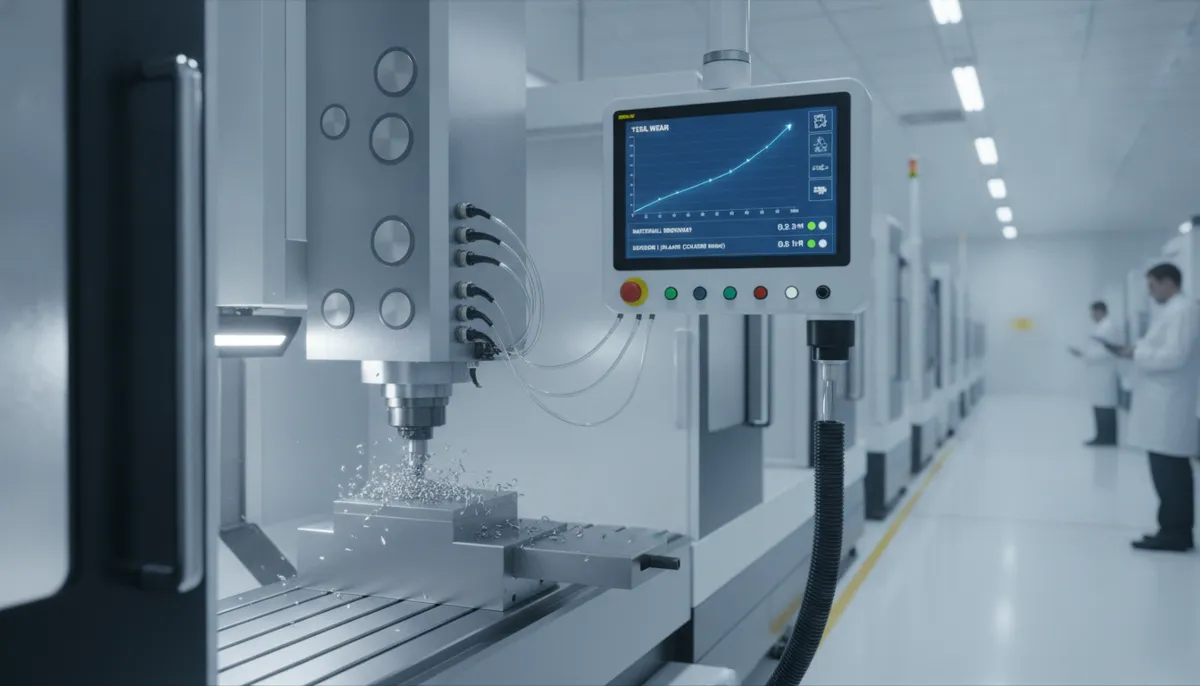
The CNC spindle is the heart of every CNC machine — the rotating assembly that holds and drives the cutting tool to shape materials with precision. Whether you are setting up your first machining center or evaluating an upgrade for a production line, understanding how a CNC spindle works, which type suits your application, and what specifications matter most will directly impact your surface finish, tool life, and overall machining efficiency. This guide from QFCNCMachine covers everything beginners and experienced operators need to know about CNC spindles, from core definitions to real-world selection advice.
1. The Growing Importance of CNC Spindle Technology in Global Manufacturing
The global CNC machine market was valued at USD 74.82 billion in 2025 and is projected to reach USD 105.7 billion by 2031 at a CAGR of approximately 5.9%, driven by accelerating adoption of high-speed, high-precision machining across aerospace, automotive, and medical device manufacturing (Mordor Intelligence, 2025). A separate analysis by Fortune Business Insights projects the global CNC machine market to grow from USD 108.58 billion in 2026 to USD 251.61 billion by 2034 at a CAGR of 11.10%, with spindle technology — particularly high-speed direct-drive and water-cooled spindles — identified as a primary enabler of this growth (Fortune Business Insights, 2026).
At the equipment level, the global machining centers market — the segment most directly dependent on spindle performance — was valued at USD 23.67 billion in 2026 and is forecast to reach USD 30.75 billion by 2031 at a CAGR of 5.37%, with multi-axis machining centers requiring the most advanced spindle configurations (Mordor Intelligence, 2026). MarketsandMarkets similarly projects the machining centers market to reach USD 30.82 billion by 2033, noting that spindle speed and thermal stability are the top two performance criteria cited by buyers in Europe, North America, and Southeast Asia (MarketsandMarkets, 2026). As part complexity and production volumes rise, selecting the right CNC spindle has never been more consequential.
2. What Is a CNC Spindle? Definition and Core Function
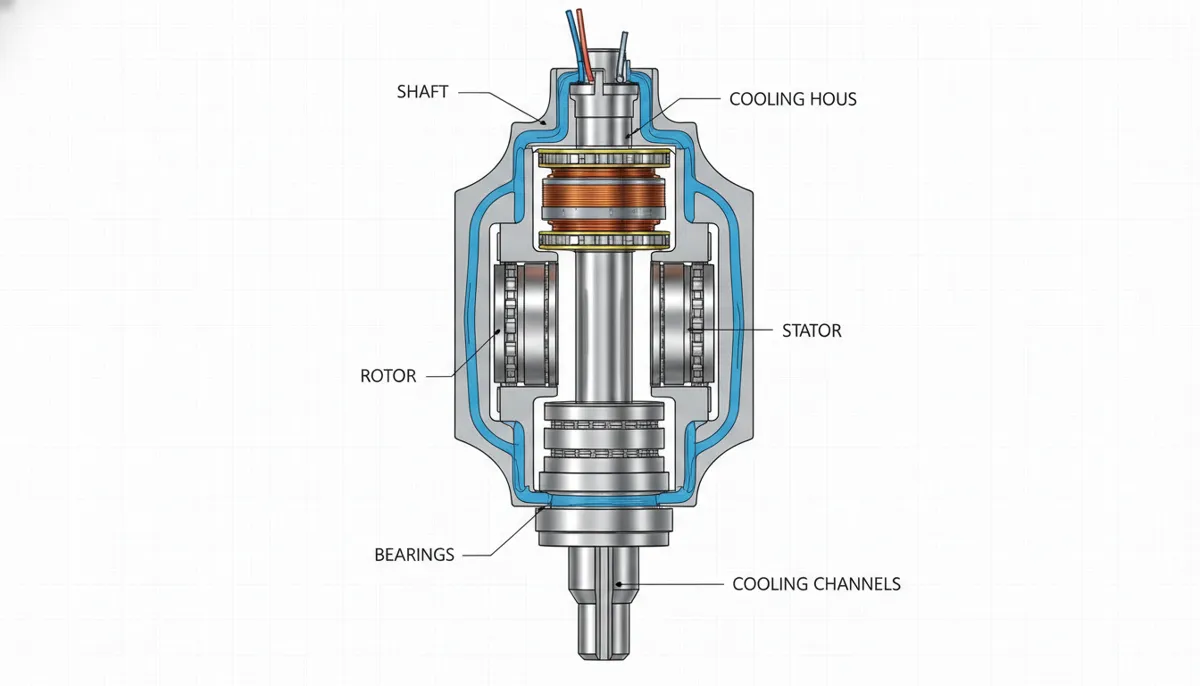
A CNC spindle is a rotating assembly that holds and drives the cutting tool in a CNC machine. It consists of three core components: a motor (which generates rotational power), a shaft (which transmits that power to the tool), and precision bearings (which support the shaft and maintain alignment under load). Together, these components provide the torque and rotational speed required for cutting, drilling, milling, and grinding operations.
Spindle performance is measured by two primary parameters: speed (RPM) and runout (µm). A typical CNC spindle operates at speeds ranging from 5,000 to 30,000 RPM depending on application, with runout tolerances as low as 0.001 mm for precision work. QFCNCMachine’s spindles are engineered to maintain runout below 0.002 mm across the full speed range, ensuring consistent surface finish and extended tool life even in continuous production environments.
3. Types of CNC Spindles: Which One Do You Need?
CNC spindles come in four main types, each optimised for different machining tasks, duty cycles, and material requirements. Understanding the differences will help you match the right spindle to your specific application.
3.1 Air-Cooled Spindles
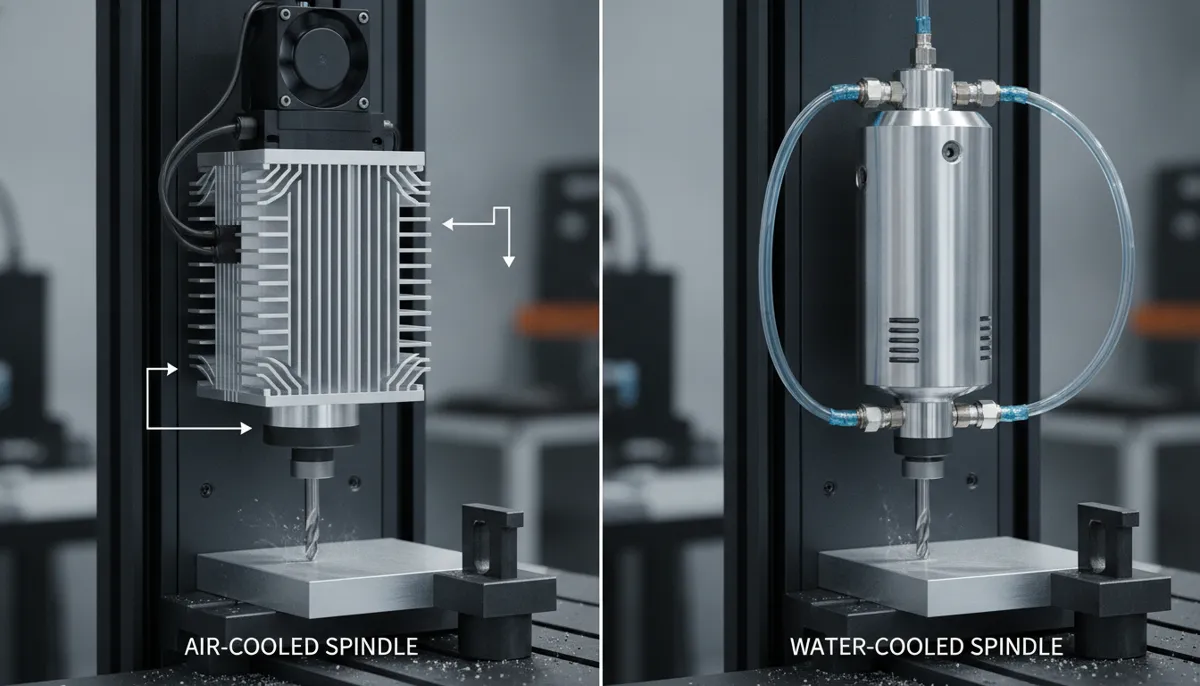
Air-cooled spindles use an integrated fan to dissipate heat generated during operation. They are the most cost-effective option and require no external cooling infrastructure, making them popular for hobbyist CNC routers, light-duty engraving, and intermittent production use. However, their cooling capacity is limited — under continuous heavy-duty operation, heat buildup can cause thermal expansion of the shaft, increasing runout and reducing dimensional accuracy. Best suited for: wood, plastics, soft aluminium, and engraving applications with duty cycles under 60%.
3.2 Water-Cooled Spindles
Water-cooled spindles circulate coolant through an internal jacket surrounding the motor, maintaining significantly lower operating temperatures than air-cooled alternatives. This thermal stability directly translates to tighter dimensional accuracy over long production runs, quieter operation (typically 10–15 dB quieter), and longer bearing life. QFCNCMachine’s water-cooled spindles incorporate advanced thermal management systems that limit temperature rise to under 5°C above ambient during continuous 8-hour operation, preserving runout below 0.002 mm throughout. Best suited for: aluminium, steel, titanium, mould steel, and any high-speed continuous production application.
3.3 Direct Drive Spindles
In a direct drive spindle, the motor shaft is directly coupled to the tool-holding taper — there are no belts, gears, or intermediate transmission components. This eliminates mechanical backlash, reduces vibration, and enables the highest achievable speeds (up to 60,000 RPM in some configurations). Direct drive spindles deliver superior surface finish on non-ferrous materials and are the preferred choice for high-speed machining (HSM) of aluminium aerospace components and precision mould cavities. The trade-off is lower torque at low speeds, making them less suitable for heavy steel cutting.
3.4 Belt-Driven Spindles
Belt-driven spindles use a belt and pulley system to transfer power from the motor to the shaft. This configuration provides a mechanical torque multiplication effect, delivering high torque at lower speeds — ideal for heavy-duty cutting of hardened steel, cast iron, and other tough materials. Belt-driven spindles are commonly found in conventional machining centers and heavy-duty milling machines. The belt also acts as a vibration isolator, reducing the transmission of motor vibration to the cutting tool. The main limitation is the belt’s finite service life and the need for periodic tension adjustment.
4. CNC Spindle Types Comparison: Full Specification Overview
Use the table below to compare all four CNC spindle types across the specifications that matter most for your application:
| Spindle Type | Speed Range (RPM) | Cooling Method | Torque Level | Runout | Best For | Relative Cost |
|---|---|---|---|---|---|---|
| Air-Cooled | 10,000 – 24,000 | Fan (integrated) | Low–Medium | ≤ 0.003 mm | Wood, plastics, light aluminium | $ Low |
| Water-Cooled | 8,000 – 30,000 | Liquid coolant jacket | Medium–High | ≤ 0.002 mm | Aluminium, steel, mould steel, titanium | $$ Medium |
| Direct Drive | 20,000 – 60,000 | Liquid (typically) | Low (high RPM) | ≤ 0.001 mm | HSM aluminium, precision moulds | $$$ High |
| Belt-Driven | 500 – 10,000 | Air or liquid | Very High | ≤ 0.005 mm | Hardened steel, cast iron, heavy cuts | $$ Medium |
5. Key CNC Spindle Specifications: What to Look For
When evaluating a CNC spindle for purchase or upgrade, these five specifications determine whether it will meet your application requirements:
| Specification | What It Means | Typical Range | Recommended For |
|---|---|---|---|
| Speed (RPM) | Rotational speed of the cutting tool | 500 – 60,000 RPM | Aluminium: 15,000–24,000 RPM; Steel: 5,000–10,000 RPM |
| Power (kW) | Determines material removal rate | 0.8 – 30+ kW | Hobbyist: 2.2–3.5 kW; Industrial: 7.5–15 kW |
| Torque (Nm) | Force available at the cutting edge | 2 – 200+ Nm | Heavy steel: high torque at low RPM; HSM: low torque at high RPM |
| Runout (µm) | Deviation of tool tip from true centre | 0.001 – 0.010 mm | Precision: ≤ 0.002 mm; General: ≤ 0.005 mm |
| Collet Size | Tool shank diameter compatibility | ER11 / ER16 / ER20 / ER32 | ER20 most versatile for 3–13 mm shanks |
6. Real-World CNC Spindle Applications & Customer Results
6.1 Aerospace Aluminium Components — Runout & Scrap Rate (Germany)
A German aerospace Tier-2 supplier was experiencing inconsistent surface finishes and a 15% scrap rate on aluminium structural brackets due to spindle runout exceeding 0.008 mm on their existing air-cooled units. After switching to QFCNCMachine’s water-cooled spindle with guaranteed runout below 0.002 mm, scrap rate dropped to under 3% within the first production month, and tool life increased by 35% due to reduced vibration at the cutting edge. The supplier subsequently standardised on QFCNCMachine water-cooled spindles across three machining centers.
“Our previous air-cooled spindles were running at 0.007–0.009 mm runout by the end of a long shift — thermal drift was killing our surface finish on aerospace aluminium. After switching to QFCNCMachine’s water-cooled spindle, runout stayed below 0.002 mm for the entire 8-hour shift. Scrap dropped from 15% to under 3% in the first month. The 2-year warranty gave our procurement team confidence, and Bella’s team provided full technical support during commissioning. We’ve since fitted three machines with their spindles.”
6.2 Precision Mould Steel Machining — Continuous Production (USA)
A US-based mould and die manufacturer running 24/7 production on P20 mould steel needed a spindle that could maintain dimensional accuracy across continuous shifts without coolant system downtime. Their previous water-cooled spindle from a local supplier required chiller maintenance every 3 weeks, causing costly production interruptions. QFCNCMachine’s water-cooled spindle, fitted with a closed-loop coolant circuit and sealed ceramic bearings, ran for 6 consecutive months without bearing service, maintaining runout below 0.002 mm throughout. Production uptime improved from 87% to 96%.
“We run 24/7 on P20 mould steel — downtime is not an option. Our previous spindle needed chiller maintenance every three weeks and we were losing 8–10 hours of production each time. QFCNCMachine’s spindle ran six months straight without a single bearing service call. Runout stayed tight the whole time. The sealed ceramic bearing design is exactly what continuous production demands. Bella understood our requirements immediately and recommended the right configuration on the first call.”
6.3 CNC Router Upgrade — Wood & Acrylic Engraving (Vietnam)
A Vietnamese furniture and signage manufacturer was upgrading a fleet of 8 CNC routers from generic air-cooled spindles to higher-performance units for engraving hardwood and acrylic. The key requirement was consistent performance across all 8 machines with minimal maintenance overhead for a team without dedicated CNC engineers. QFCNCMachine supplied 8 matched air-cooled spindles with ER20 collets, pre-calibrated to identical runout specifications. Engraving consistency across the fleet improved dramatically, and the customer reported zero spindle failures across 14 months of operation.
“We needed 8 identical spindles that our operators — who are not CNC engineers — could install and run without problems. QFCNCMachine delivered 8 perfectly matched units, all pre-calibrated to the same runout spec. Our engraving quality is now consistent across every machine in the workshop. Fourteen months in, not a single spindle failure. For a small manufacturer like us, that reliability and the 2-year warranty is everything. We will be ordering another batch for our new facility next quarter.”
7. Pros & Cons of Each CNC Spindle Type
✅ Air-Cooled Spindle — Pros
- Lowest purchase cost
- No external cooling system required
- Simple installation and maintenance
- Compact and lightweight
- Ideal for intermittent, light-duty use
❌ Air-Cooled Spindle — Cons
- Thermal drift under continuous operation
- Louder than water-cooled alternatives
- Limited duty cycle (typically <60%)
- Runout increases as temperature rises
- Not suitable for precision metal cutting
✅ Water-Cooled Spindle — Pros
- Excellent thermal stability at 100% duty cycle
- Quieter operation (10–15 dB less than air-cooled)
- Consistent runout ≤ 0.002 mm over long shifts
- Longer bearing life due to lower operating temperature
- Suitable for metals, mould steel, and titanium
❌ Water-Cooled Spindle — Cons
- Requires chiller or water circulation system
- Higher initial investment than air-cooled
- Coolant system requires periodic maintenance
- More complex installation and plumbing
✅ Direct Drive Spindle — Pros
- Highest achievable speeds (up to 60,000 RPM)
- Zero mechanical backlash — best surface finish
- Lowest vibration of all spindle types
- Ideal for HSM aluminium and precision moulds
❌ Direct Drive Spindle — Cons
- Low torque at low speeds — not for heavy steel cuts
- Highest purchase cost
- Motor replacement required if unit fails
- Overkill for general-purpose machining
✅ Belt-Driven Spindle — Pros
- Very high torque at low speeds
- Belt absorbs motor vibration — smoother cuts
- Suitable for hardened steel and cast iron
- Cost-effective for heavy-duty applications
❌ Belt-Driven Spindle — Cons
- Belt wear requires periodic replacement
- Lower maximum speed than direct drive
- Belt tension requires regular adjustment
- Less precise than direct drive at high speeds
8. Frequently Asked Questions About CNC Spindles
What is the difference between a CNC spindle and a router motor?
A CNC spindle is purpose-built for continuous high-speed precision machining — it uses precision angular contact bearings, a balanced shaft, and either air or liquid cooling to maintain tight runout tolerances (typically ≤ 0.003 mm) over long production runs. A router motor is a general-purpose tool designed primarily for woodworking, with standard ball bearings and no active cooling. Router motors typically have higher runout (0.01–0.05 mm), shorter service life under continuous use, and are not rated for metal cutting. For any application requiring consistent surface finish, tight tolerances, or metal cutting, a dedicated CNC spindle is the correct choice.
How do I choose the right CNC spindle speed for my material?
As a general guideline: use 15,000–24,000 RPM for soft materials such as aluminium, wood, and plastics; 8,000–15,000 RPM for medium-hardness materials such as brass and mild steel; and 3,000–8,000 RPM for hard materials such as hardened steel, stainless steel, and titanium. Always cross-reference with the cutting tool manufacturer’s recommended surface footage (SFM) for the specific tool diameter and material combination. Exceeding the recommended speed for a given material accelerates tool wear and can cause thermal damage to the workpiece.
Can I replace a CNC spindle on my machine myself?
Spindle replacement is technically possible for experienced operators, but it requires precise alignment of the spindle axis to the machine’s X/Y/Z reference planes — typically verified with a dial test indicator to within 0.005 mm. Incorrect alignment causes systematic dimensional errors across all machined parts. QFCNCMachine provides detailed installation manuals, alignment procedures, and video support for all spindle purchases. For production machines where downtime is costly, we recommend professional installation by a qualified CNC service technician.
What maintenance does a CNC spindle require?
Maintenance requirements vary by spindle type. For water-cooled spindles: check coolant level and condition every 2 weeks; replace coolant every 3–6 months to prevent algae growth and corrosion; inspect coolant lines for leaks monthly. For air-cooled spindles: clean the cooling fan and air vents every 2 weeks to prevent heat buildup. For all spindle types: clean the collet taper and collet nut after every tool change; check bearing temperature (should not exceed 60°C above ambient) during operation; inspect for unusual vibration or noise which may indicate bearing wear. QFCNCMachine spindles use sealed precision bearings that do not require manual lubrication under normal operating conditions.
What is the difference between Direct Drive and Belt-Driven spindles?
A direct drive spindle connects the motor shaft directly to the tool taper with no intermediate components — this eliminates backlash and vibration for the highest precision and speed, but provides limited torque at low RPM. A belt-driven spindle uses a belt and pulley to transfer power, providing a torque multiplication effect that is ideal for heavy cuts in steel and cast iron at lower speeds. Choose direct drive for high-speed precision work on non-ferrous materials; choose belt-driven for heavy-duty cutting where torque is the priority.
Does QFCNCMachine offer a warranty on CNC spindles?
Yes. All CNC spindles supplied by QFCNCMachine come with a 2-year warranty covering manufacturing defects and premature bearing failure under normal operating conditions. Our warranty policy covers parts and technical support; in the event of a confirmed quality issue, we support full replacement or refund. Note that warranty does not cover damage caused by improper installation, operation outside specified parameters, or use of incompatible collets or tooling. Our after-sales team — led by Bella — is available via email and phone to support any warranty or technical enquiry.
Need Help Choosing the Right CNC Spindle?
With 15+ years of CNC machining experience and 750+ customers across Europe, North America, and Southeast Asia since 2010, QFCNCMachine’s team can help you select, configure, and commission the right spindle for your exact application. All spindles come with a 2-year warranty and full after-sales support from our Dongguan facility.
References
- Mordor Intelligence. CNC Machines Market Size, Share & Growth Trends Report, 2025–2031. Retrieved August 2026 from https://www.mordorintelligence.com/industry-reports/cnc-machines-market
- Fortune Business Insights. CNC Machine Tools Market Size, Share & Industry Analysis, 2026–2034. Retrieved August 2026 from https://www.fortunebusinessinsights.com/industry-reports/computer-numerical-controls-cnc-machine-tools-market-101707
- Mordor Intelligence. Machining Centers Market Size, Share & Growth Trends Report, 2026–2031. Retrieved August 2026 from https://www.mordorintelligence.com/industry-reports/machining-centers-market
- MarketsandMarkets. Machining Centers Market Size, Share, and Growth Report, 2026–2033. Retrieved August 2026 from https://www.marketsandmarkets.com/Market-Reports/machining-centers-market-168459068.html